Unilever Plans $3.6 Billion Buyback As China And Home Cooks Boost Growth
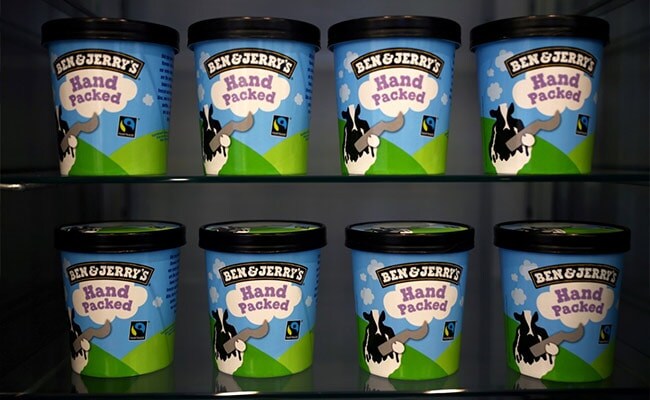
Unilever announced a 3 billion euro ($3.6 billion) share buyback and said it was confident of hitting sales targets this year, after demand from home cooks and China helped it to beat first-quarter sales expectations. Shares in the maker of Dove soap and Ben and Jerry's ice cream climbed as much as four per cent on Thursday, after it joined rivals such as Nestle and Procter & Gamble in reporting strong sales of food and cleaning products respectively in the pandemic.
Underlying sales jumped 5.7 per cent in the three months to the end of March, topping analysts' average forecast of 3.9 per cent, according to a company supplied consensus. "These are encouraging numbers," said Steve Clayton, portfolio manager of Hargreaves Lansdown's Select UK Shares funds. "Unilever gains much of its strength through the group's diversity."
The company said it was confident of delivering full-year underlying sales growth within its mid-term target range of 3-5 per cent, with the first half around the top of the range.
It also forecast a slight increase in underlying operating margin this year, despite double-digit inflation on some raw materials, such as soybean oil and tea. Like several rivals, Unilever said it would need to raise prices to mitigate the impact.
"Unilever price movement is typically in the 1-3 per cent range historically, and that is where we expect to be this year," Chief Executive Alan Jope told journalists, after the company raised prices by 1% in the first quarter.
Food Leads The Way
Unilever, which makes about 60 per cent of revenues in emerging markets, said underlying sales growth there reached 9.4 per cent in the quarter, led by double-digit increases in China and India following strict lockdowns the previous year.
Pitkethly said easier comparables than last year, a return of sales to cafes and restaurants in places like China, and U.S. retailer restocking of high-end beauty products underpinned its confidence for the rest of the year.
Underlying sales in the group's food and refreshments business, whose brands include Hellmann's mayonnaise and Knorr soups, jumped 9.8 per cent in the quarter, helped by strong demand for home consumption in North America and Europe.
The company noted the devastating surge in COVID-19 infections sweeping India, another key market, but said it was not seeing any material impact on its business from that so far. "We're looking forward to continued growth in Q2," Jope said, pointing to the group's success in digitised ordering, increasing manufacturing capacity and bringing more inventory close to retail.
Unilever also said it was making good progress in separating its slower-growth Elida beauty and tea businesses, which could lead to sales or spin-offs. Elida beauty will consist of brands predominantly sold in Europe and North America, including Q-Tips, Caress, Tigi, Timotei, Impulse and MonSavon, which together generated revenues of around 600 million euros in 2020, the company said.
The moves are part of Jope's plan to jump-start growth, which has lagged peers in recent years, partly because of an outsized focus on emerging markets that have performed unevenly. In February, Jope said Unilever would focus more on high growth categories such as plant-based foods, beauty products and nutritional supplements, and aim to appeal more to younger consumers.
He said the priority was to grow existing businesses, rather than make acquisitions, but added on Thursday that the share buyback should not be seen as a lack of appetite for deals.

-
Indians Are Travelling, But Not Every Journey Is A Holiday | The Week In Whys

Pilgrims, patients and working women are the real travellers, and the system hasn't quite caught up with them.
-
Getting To Work Costs Women More | The Reason Why
It is not just about women paying more than men. It is about women paying much more in cities than in villages.
-
AI Bias In Investing Cannot Be Eliminated, But It Can Be Governed
Framing is a particularly important example as identical financial information presented in terms of gains rather than losses can lead an LLM to reach a different assessment.
-
Joining The Dots | Dark Skies, Steady Diya: Why Hope Holds This Diwali
With war, a weak rupee and foreign outflows weighing on sentiment, policymakers at the NDTV World Summit and market veterans at NDTV Profit Ignite: Diwali Edition offered the same advice: stay invested and filter out the noise.
-
The Curious Case of Equitas Small Finance Bank And A CEO Who Quit For Stock
PN Vasudevan believes persistent investor concerns over a perceived conflict of interest had become a governance overhang on Equitas Small Finance Bank's stock, even as the lender improved profitability and asset quality.
-
Talking Points This Week: AI Cash Burn, A Tiger Comeback And An India That Still Finds Its Own Path
India is not immune to higher oil or tighter global liquidity, yet its earnings base is broader, its domestic policy levers are still available.
-
Foreign Investors Own Half Of HDFC Bank and ICICI Bank. An LTCG Cut Could Matter Most Here
Foreign portfolio investors have US$115 billion parked in HDFC Bank, ICICI Bank. If the government cuts long-term capital gains tax, Jefferies says returning foreign money could land here first.
-
'Never Seen This Level Of Negativity': Sandeep Tandon Says The Next Rally May Be Closer Than You Think
Veteran investor Sandeep Tandon says foreign selling is easing, large-caps are due a comeback and mid-caps are crowded, while he turns positive on gold, power and pharma this Diwali.
-
Indians Stay With Family, Not In Hotels | The Reason Why
India still lacks enough clean, reliable and affordable hotels for budget-conscious travellers.
-
The Economic Imperative: Analysing The Material Driving Force Behind India-Canada Strategic Reset
This economic complementarity is further reinforced by deep institutional investment ties and talent mobility, which form the bedrock of the bilateral framework.










