U.K. Whistleblower Tweets Details Of Cambridge Analytica’s Links With India
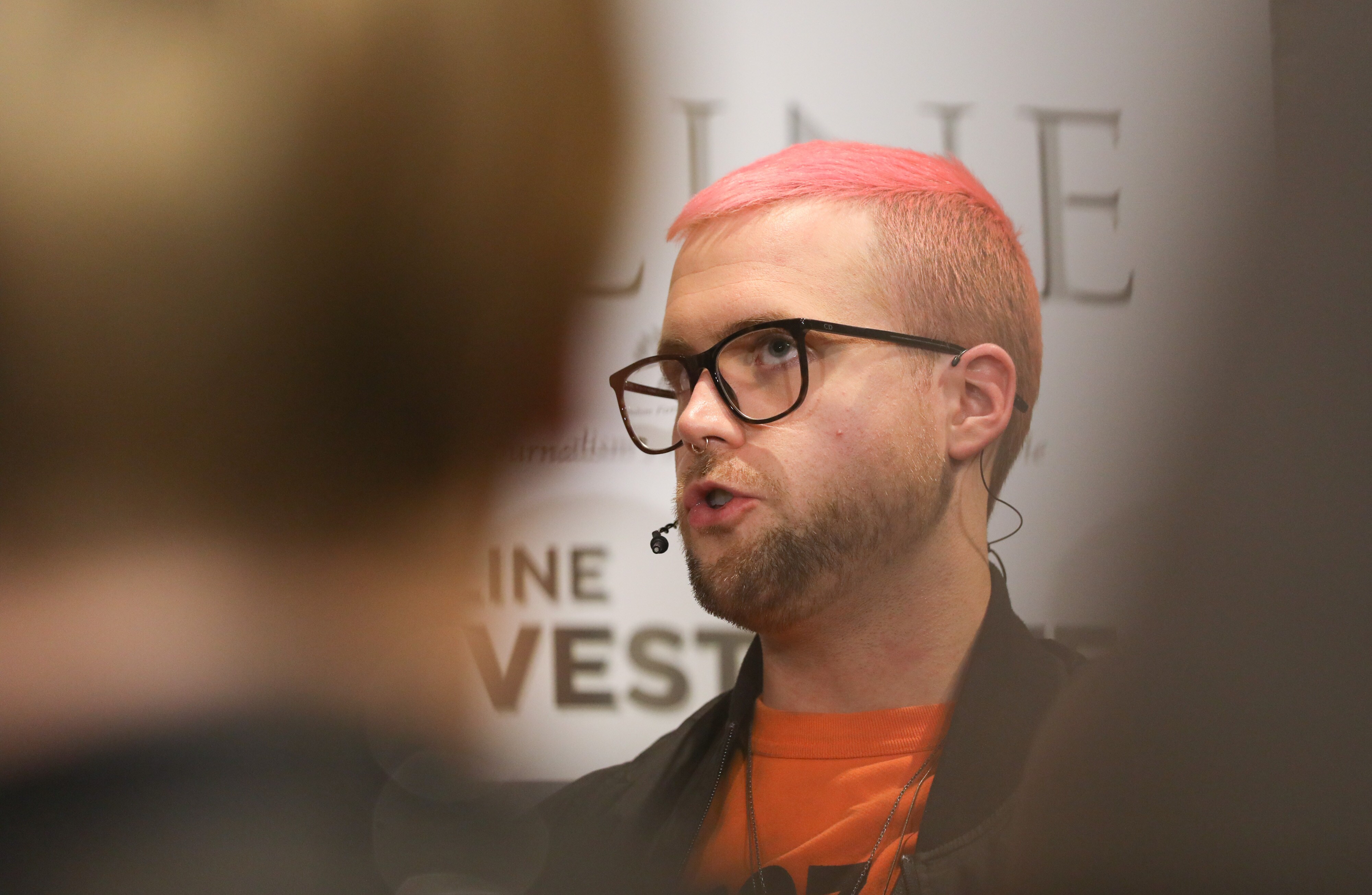
A U.K.-based whistleblower, who is at the centre of a storm over alleged data breaches by Cambridge Analytica, today posted information on social media that claims to expose the British consultancy's work in India dating back to 2003.
Christopher Wylie, a former employee of CA, had told MPs during his evidence before the U.K. Parliament's Digital, Culture, Media and Sport Committee yesterday, that the company had worked “extensively” in India, and that he believes Congress was one of its clients.
Also Read: Believe Congress Was Cambridge Analytica's Client In India, Whistleblower Says
In a post on Twitter today, the 28-year-old also named Janata Dal (United) as a client during the 2010 Bihar elections, and brought up some caste surveys carried out in Uttar Pradesh by SCL India – the parent company of CA.
“I've been getting a lot of requests from Indian journalists, so here are some of SCL's past projects in India. To the most frequently asked question – yes SCL/CA works in India and has offices there. This is what modern colonialism looks like,” Wylie tweeted.
I've been getting a lot of requests from Indian journalists, so here are some of SCL's past projects in India. To the most frequently asked question - yes SCL/CA works in India and has offices there. This is what modern colonialism looks like. pic.twitter.com/v8tOmcmy3z
March 28, 2018His message includes documents which indicate that SCL India boasted a database of “over 600 districts and 7 lakh villages, which is constantly being updated”.
Its reach in India is said to include a head office in Ghaziabad, with nine regional offices in Ahmedabad, Bangalore, Cuttack, Guwahati, Hyderabad, Indore, Kolkata, Patna and Pune.
SCL India was asked to provide research and strategy for the 2010 State Elections for the Janata Dal (United). SCL undertook a behavioural research programme targeting over 75 per cent of households to assist the client in not only identifying the correct battlegrounds, but also the right audiences, messages and most importantly the right castes to target with their campaigns.Christopher Wylie's Document NotesThe JD(U) went on to win the 2010 state elections as part of an alliance with the NDA.
Wylie's document also showed caste census and caste research campaigns carried out in Uttar Pradesh in 2011-2012 on behalf of a “national party”.
“The research included analysis of caste structure and dynamics within the state leading to conclusions regarding the identification of the party's core voters as well as likely swing voters,” it claims.
Other aspects of the document cover the company's work across different states including during the 2003 Rajasthan election for a “major state party”; Madhya Pradesh in 2003 for a “national party” to identify swing voters; a full political survey for a “major party” during the 2007 Uttar Pradesh elections; and managing the campaigns of a number of Lok Sabha candidates for the 2009 national elections.
“Our services help clients to identify and target key groups within the population to effectively influence their behaviour to realise a desired outcome,” the SCL India material claims.
Also Read: India Issues Notice To Cambridge Analytica In Facebook Data Scandal
It also highlights some work on countering “recruitment into and support of” violent Jihadism in the states of Kerala, West Bengal, Assam, Bihar, Jharkhand and UP in 2007, in support of a trans-national programme for countering non-desired behaviour.
The House of Commons' committee investigation into fake news will resume next month after the Parliament's Easter recess, when a senior Facebook executive is expected to give evidence on what the social media giant knew about the alleged misuse of its data by CA.

-
Getting To Work Costs Women More | The Reason Why

It is not just about women paying more than men. It is about women paying much more in cities than in villages.
-
AI Bias In Investing Cannot Be Eliminated, But It Can Be Governed
Framing is a particularly important example as identical financial information presented in terms of gains rather than losses can lead an LLM to reach a different assessment.
-
Joining The Dots | Dark Skies, Steady Diya: Why Hope Holds This Diwali
With war, a weak rupee and foreign outflows weighing on sentiment, policymakers at the NDTV World Summit and market veterans at NDTV Profit Ignite: Diwali Edition offered the same advice: stay invested and filter out the noise.
-
The Curious Case of Equitas Small Finance Bank And A CEO Who Quit For Stock
PN Vasudevan believes persistent investor concerns over a perceived conflict of interest had become a governance overhang on Equitas Small Finance Bank's stock, even as the lender improved profitability and asset quality.
-
Talking Points This Week: AI Cash Burn, A Tiger Comeback And An India That Still Finds Its Own Path
India is not immune to higher oil or tighter global liquidity, yet its earnings base is broader, its domestic policy levers are still available.
-
Foreign Investors Own Half Of HDFC Bank and ICICI Bank. An LTCG Cut Could Matter Most Here
Foreign portfolio investors have US$115 billion parked in HDFC Bank, ICICI Bank. If the government cuts long-term capital gains tax, Jefferies says returning foreign money could land here first.
-
'Never Seen This Level Of Negativity': Sandeep Tandon Says The Next Rally May Be Closer Than You Think
Veteran investor Sandeep Tandon says foreign selling is easing, large-caps are due a comeback and mid-caps are crowded, while he turns positive on gold, power and pharma this Diwali.
-
Indians Stay With Family, Not In Hotels | The Reason Why
India still lacks enough clean, reliable and affordable hotels for budget-conscious travellers.
-
The Economic Imperative: Analysing The Material Driving Force Behind India-Canada Strategic Reset
This economic complementarity is further reinforced by deep institutional investment ties and talent mobility, which form the bedrock of the bilateral framework.
-
Medicine Pricing: Where Must Profit Stop?
India must confront excessive margins, hidden incentives and regulatory gaps that threaten the integrity of medicine.










