From ‘Hawai Chappal’ To ‘Hawai Yatra’: UDAN Scheme Transforms Indian Aviation
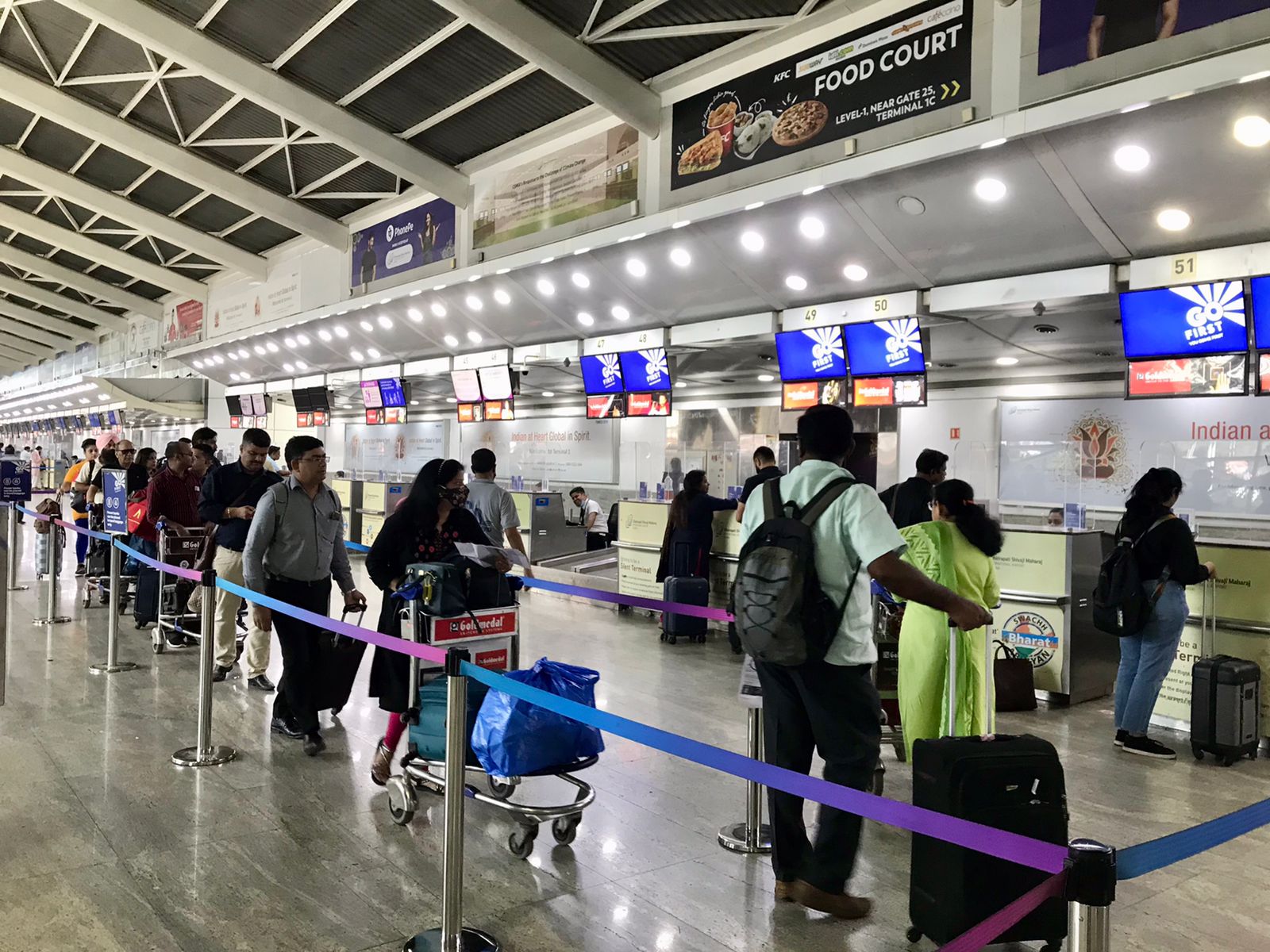
The UDAN (Ude Desh ka Aam Nagrik) scheme, launched on Oct. 21, 2016, has revolutionised regional connectivity in India, turning the dream of affordable air travel into reality. This ambitious 10-year programme was designed to enhance regional air connectivity and make flying accessible to the average Indian.
Prime Minister Narendra Modi, speaking at the NDTV World Summit 2024, reiterated his vision, stating that every Indian wearing a “hawai chappal” should have the opportunity to experience air travel. Connecting affordable aviation with the larger goal of building an “Aspirational India,” the Prime Minister emphasised that air travel should no longer be a luxury but an everyday convenience for citizens.
Since its inception, the UDAN scheme has operationalised 601 routes and activated 71 airports, benefiting over 1.44 crore passengers. As part of its future roadmap, the government aims to extend the scheme for another 10 years, setting a target of achieving 350-400 operational airports by 2047.
In a significant push, eight new airports have entered the construction phase within the first 125 days of the Modi government's third term.
A Snapshot of UDAN's Impact on Domestic Air Travel
The introduction of UDAN has coincided with a substantial rise in domestic passenger traffic. Below is the data reflecting growth since the scheme's launch:
The data illustrates a rapid surge in air travel following the launch of UDAN, highlighting its effectiveness in making aviation more accessible. The government's ambition to extend the scheme and develop up to 400 airports by 2047 demonstrates a continued commitment to making air travel part of everyday life for all Indians.
With UDAN bridging the gap between aspiration and accessibility, the scheme is on track to transform Indian aviation from a dream for a few to a reality for millions.

-
One El Nino, India Can Handle. Two Could Break The Granary

India's grain stocks can absorb one bad year, but a second El Nino could drain the buffer in two to three years, economists say.
-
India's Troika Of Good Luck | Joining The Dots
As Jensen Huang's exit drags Nvidia down, a cooling AI trade and resilient earnings have revived investor interest in India. A likely RBI rate hike looms.
-
Talking Points This Week: Leadership Shock At Nvidia, Earnings Strength, And The Fog Over Hormuz
The Anthropic IPO pricing and first trading day, Nvidia's upcoming earnings, and any fresh signals from Iran will set the tone for the following week.
-
Signature Play: The Classic Cocktail Is Dead. Or Is It?
Classic cocktails are disappearing from India's cocktail menus. But they're still being ordered, taught to bartenders and borrowed from. So, who's really having the last drink?
-
A New Samvat Wishlist: Inclusive Prosperity And Human Development
India has strengthened its economic foundations through infrastructure, digital access and enterprise. Its next growth chapter must deepen productivity, create better livelihoods and widen participation in prosperity.
-
Love, Sex Aur Dhokha: The Audacious Plot To Spy On Jensen Huang
A Taipei dinner, a Singapore chip buyer and a suspected Chinese asset: inside the alleged spy operation that got close to NVIDIA's Jensen Huang.
-
Ten Things I Learnt This Samvat
Patience can be a trap. Cheap stocks can stay cheap. Leverage can wipe you out. What did Samvat 2082 teach us? Niraj Shah writes on 10 lessons from the year gone by.
-
Talking Points This Week: Tech Nerves, FII Buying, And A Faraway Banking Shock
The global markets are not shining this Diwali. The exception in the large markets is, India.
-
Midterm Rally Lasted A Day. The Hard Reality Of A Divided US May Last Two Years | Opinion
Between a contested AI boom, a debt ceiling that arrives in 2027 and a president with every incentive to act alone, the next two years may prove more volatile than the first day's rally suggests.
-
Blue Wave Will Derail the AI Trade but Won't Dismantle the AI Era | Unhedged Position
The Democrats' sweep of the US Congress will see politics collide with economic forces both over the long and short term.









