UBS Offers Bond Buyback After Takeover Raised Its Credit Risk
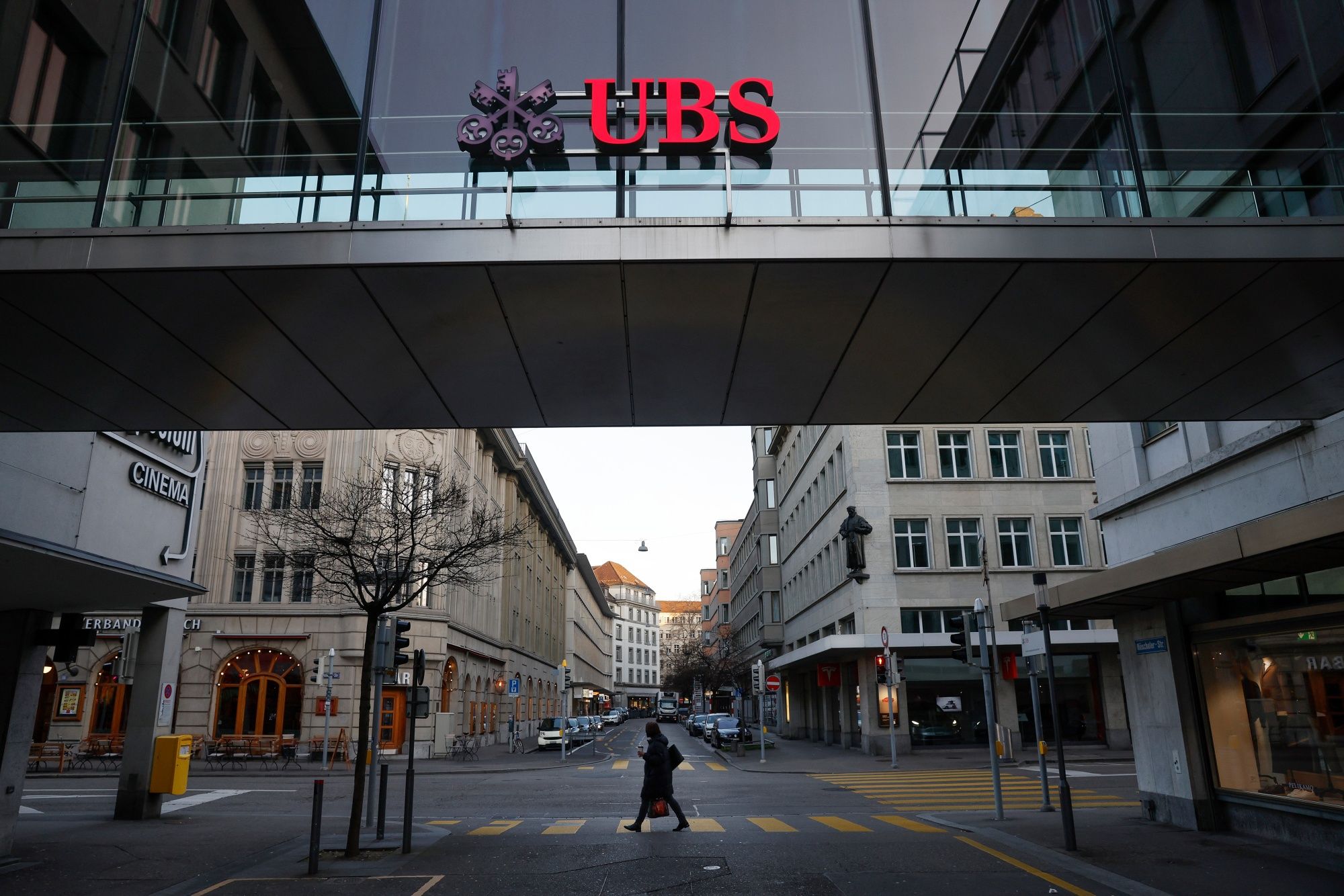
(Bloomberg) -- UBS Group AG is offering to buy back bonds that were issued days before it agreed to take over troubled rival Credit Suisse Group AG, a deal that sent a gauge of its credit risk soaring.
Switzerland's biggest bank invited holders of its senior unsecured notes due in March 2028 and March 2032, totaling 2.75 billion euros ($3 billion), to tender the securities for cash at their respective re-offer price, citing the “exceptional corporate actions” of March 19. That was the day UBS agreed to buy its rival in a government-brokered deal aimed at containing a financial market selloff sparked by the collapse of Silicon Valley Bank earlier this month. The bank's senior, euro-denominated bonds rose.
The decision was a “reasonable action to give investors the option to sell back the bonds should they, having known what they know now, have chosen not to invest,” said Andrew Wong, a credit analyst at Oversea-Chinese Banking Corp.
UBS's credit risk has been jolted since concern over Credit Suisse's fate, and the role UBS would play in it, roiled global markets. After a deal was announced over the weekend, the cost of insuring UBS's debt for one year soared to a record. But also, the credit default swaps for the holding company rose above those for its operating company, UBS AG, by the most on record.
“UBS Group is the entity that is taking over the risk from the Credit Suisse acquisition, while its operating company should remain better protected,” Suvi Platerink Kosonen, a banking credit analyst with ING Groep NV, said on Tuesday. “From that angle it makes sense that the spreads of the group will widen and underperform against the OpCo.”
S&P Global Inc. revised its outlook on its A- rating on UBS Group to negative on execution risk from the acquisition, but maintained a stable outlook on the operating company.
- The two securities are UBS V4.625% 03/17/28 and UBS V4.75% 03/17/32
- The buyback offer opens on March 22, with the early expiration deadline on March 28 and the final expiration deadline on April 4
- “The issuer has decided to launch this exercise as a result of a prudent assessment of these recent developments and the Issuer's long-term commitment to its credit investors,” UBS said in statement. A bank spokesman declined to comment when contacted by Bloomberg
- The bonds were priced in the public market on March 9 and were settled on March 17. There's typically a period of gray market trading between a bond's pricing and settlement
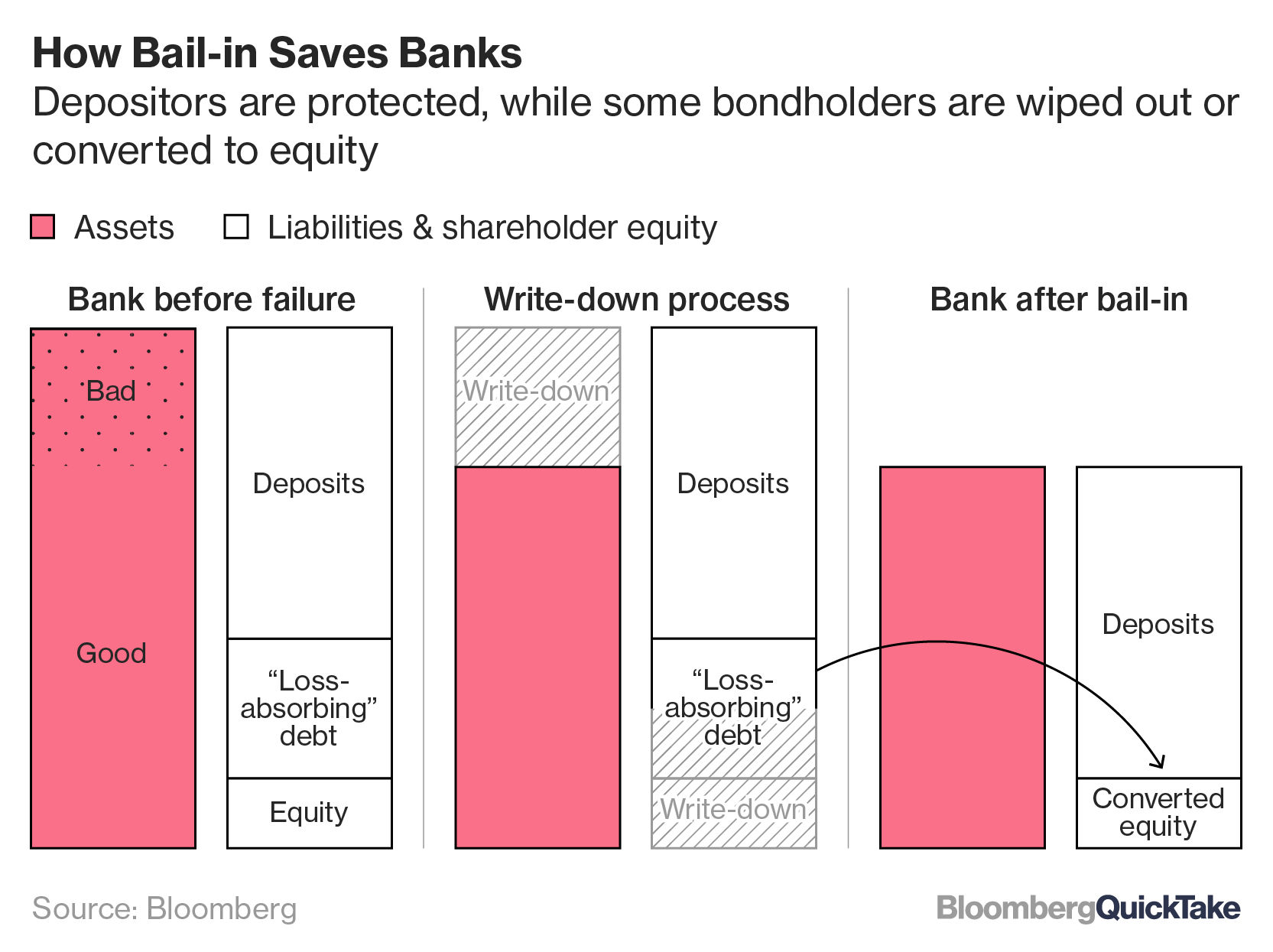
The two so-called bail-in bonds were priced on March 9, just as the first signs of trouble emerged at SVB Financial Group. The 2032 note was indicated at a price of 99.06 cents at 9:40am in London on Wednesday, below its re-offer price of 99.518 cents, according to pricing compiled by Bloomberg. The 2028 debt was indicated at 99.84 cents with a re-offer price of 99.932 cents.
These securities are risky, but they're still safer than Additional Tier 1 notes, which are the most junior bonds in a bank's debt pile.
“It seems fair and reasonable to let investors think twice if they need to reconsider the risks, which is helpful in shoring up sentiment eventually if not immediately,” said Gary Ng, senior economist at Natixis SA.
More stories like this are available on bloomberg.com
©2023 Bloomberg L.P.

-
The AI Trade is Done. The Real Opportunity for Investors Starts in 2027 | Unhedged Position

As pureplay AI stocks plunge and circular, capex-led financing unwinds, 2027 is set to be a year of reckoning for AI companies. Yet the bust clears the way for a better opportunity for investors in 2027 -- shifting the spotlight from AI builders to the companies using AI.
-
Leadership As Mission: Why The Age Of AI Demands More Human Leadership
Debjani Ghosh examines how AI is changing leadership, arguing that its success must be measured by its impact on people and the accountability of those guiding its use.
-
We May Need Another Tukaram Mundhe To Fight Air Pollution | The Reason Why
Developers may install basic measures such as sprinklers and green nets, resume work, and continue violating rules when this equipment stops working.
-
Extracting Value From Battery Scrap Could Be Challenging For India | The Reason Why
A discarded lithium-ion battery still contains valuable materials such as lithium, nickel and cobalt. These can be recovered and reused. When such batteries are crushed and shredded, they produce a dark powder called black mass.
-
One El Nino, India Can Handle. Two Could Break The Granary
India's grain stocks can absorb one bad year, but a second El Nino could drain the buffer in two to three years, economists say.
-
India's Troika Of Good Luck | Joining The Dots
As Jensen Huang's exit drags Nvidia down, a cooling AI trade and resilient earnings have revived investor interest in India. A likely RBI rate hike looms.
-
Talking Points This Week: Leadership Shock At Nvidia, Earnings Strength, And The Fog Over Hormuz
The Anthropic IPO pricing and first trading day, Nvidia's upcoming earnings, and any fresh signals from Iran will set the tone for the following week.
-
Signature Play: The Classic Cocktail Is Dead. Or Is It?
Classic cocktails are disappearing from India's cocktail menus. But they're still being ordered, taught to bartenders and borrowed from. So, who's really having the last drink?
-
A New Samvat Wishlist: Inclusive Prosperity And Human Development
India has strengthened its economic foundations through infrastructure, digital access and enterprise. Its next growth chapter must deepen productivity, create better livelihoods and widen participation in prosperity.
-
Love, Sex Aur Dhokha: The Audacious Plot To Spy On Jensen Huang
A Taipei dinner, a Singapore chip buyer and a suspected Chinese asset: inside the alleged spy operation that got close to NVIDIA's Jensen Huang.









