News In A Streaming World

‘Streaming' is the new buzzword in media today. If you read anything on the media and entertainment industry, you hear about both the incredible opportunity and the severe disruption created by streaming. Global giants like Disney and NBC recently restructured their organisations to focus more on streaming. Disney intends to bring its entire intellectual property power—with Marvel, Star Wars, Pixar, etc.—to its streaming business and will likely double down on Hotstar in India as well.

The Fall Of The Idiot Box
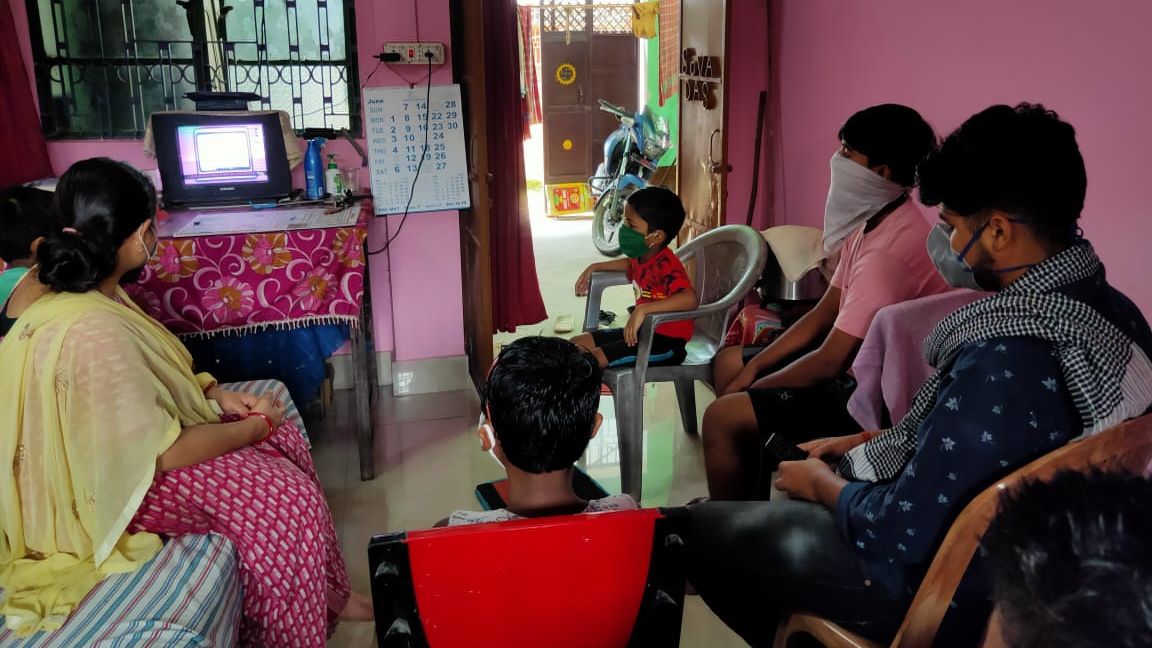
I am a television baby. I'm young enough to not remember a time when it didn't exist and old enough to remember all household activities stopping to watch Ramayan, Bharat Ek Khoj, Mahabharat, and the Sunday cartoons. It also worked as a blackmailing device my parents used to get us to do things, something that works brilliantly on my own kids three decades later, though the device in question has morphed into an iPad. I started my career in television news at a time of great growth in India with promising economics. Then, a few years later, I managed an international television network as part of a media portfolio.
Even as I was charting my personal career growth in television, the descent of the medium had begun. When it comes to entertainment content, appointment viewing is on a rapid decline. The news part of the television business, more so than entertainment, is in a particularly bad place. And I'm not even talking about the cringeworthy content and its utter collapse as a social function in India. The future of the business and its revenue model is under scrutiny. We recently saw the entire rating system come into question due to an alleged TRP rigging scandal.
The Switch To Streaming
Television viewing might be seeing a rapid decline in many parts of the world but video viewing is on a tear. We are seeing a highly-crowded but golden age of content in a streaming world; some would call it a great content bubble. Netflix, Amazon, HBO Max, Disney+, Google Play, Apple TV, Hulu, Quibi, to name a few global ones each spending billions of dollars on some amazing content.
Live streaming is also growing at an incredible pace with Facebook and YouTube seeing record growth. Though a large part of that traffic is driven by gaming, we are seeing everything from sports to conferences to music events going live online. Live streaming is also increasingly important for brands as a marketing tool. According to a report by Livestream (now owned by Vimeo), 80% of consumers prefer to see a live video from a brand than read it on a blog.
In the United States, the rapid move to streaming is driving widespread cord-cutting where people are turning away from high-cost cable and watching everything on the internet. Cable giants like Comcast have seen record growth in its broadband business while cable revenue continues to fall.
No Time Like The Present
The pandemic has hastened this shift. It has led to almost every TV news network moving its live channels to streaming platforms. While the U.S. elections are giving television networks there a temporary bump, cord-cutting will eventually lead to a change in the economics of news television when the billions of dollars in cable carriage fees, that still underwrite the costs, dry up.
It opens up the market for pure-play digital streaming news channels with lower costs and no legacy baggage.
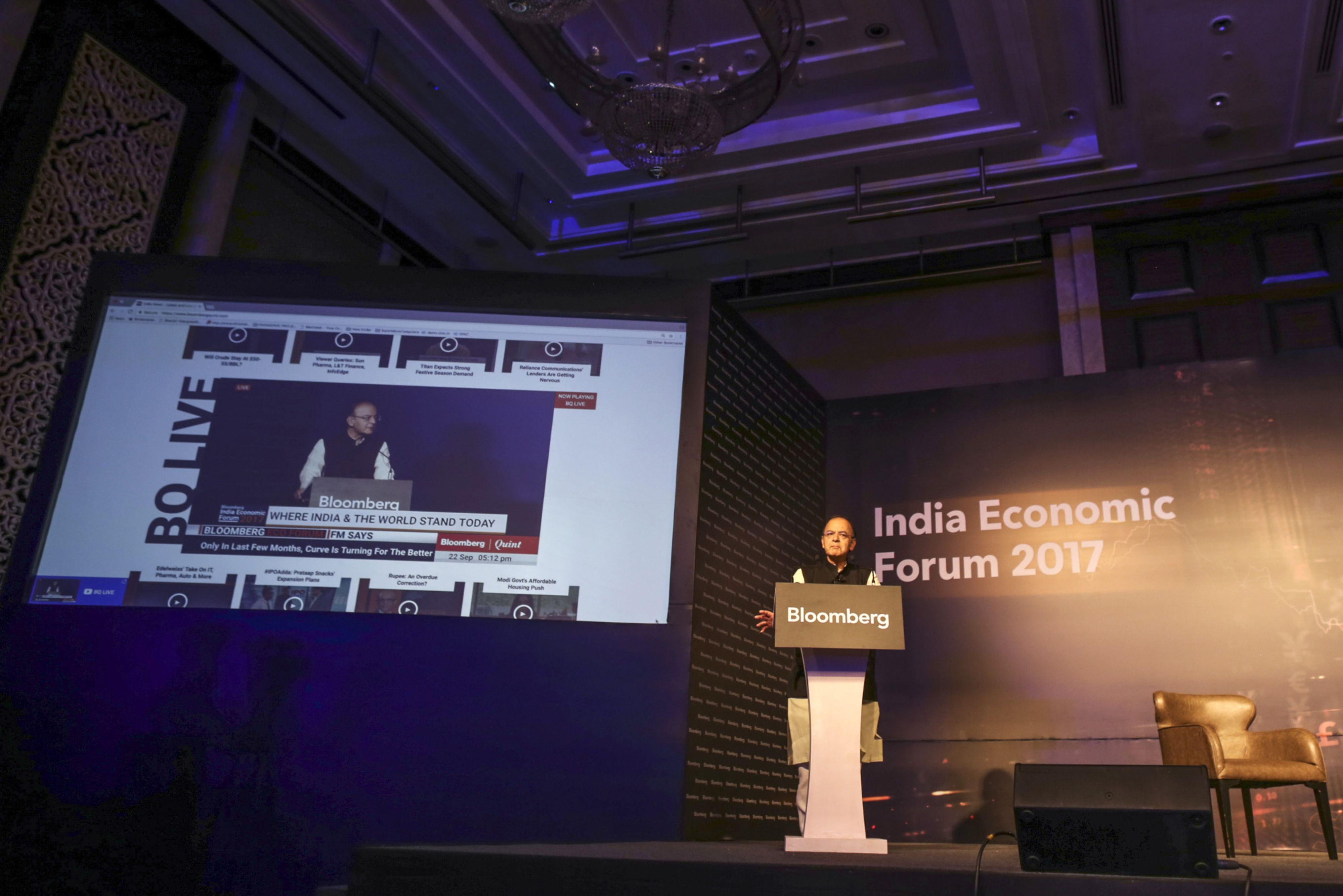
There are a few like Cheddar in the U.S. and the soon-to-be-launched live stream from Bloomberg's QuickTake that are pure-play digital streaming channels. Cheddar was a first-mover in the space and its pitch as the ‘post-cable' business news network attracted a lot of attention, investment, and ad dollars. It was ironically bought by a cable company, Altice, just about a year ago for over $200 million. It is unclear what the future of a business trying to disrupt live cable content will be sitting inside a cable company but it has definitely got the genie out of the bottle.
BREAKING: Stocks closed mixed, Dow breaks 3-day losing streak as retail numbers surge. #CheddarLive pic.twitter.com/LAS5JhcKb3
October 16, 2020You would think streaming is a golden opportunity in a market like India where television ratings are in question and the quality of content is generally appalling. Add to that, any live streaming is less regulated and you don't have to go begging for a license—just yet—from the government, which you are unlikely to get. There are likely to be policy flip-flops that limit its future growth like the new FDI policy for digital content but, for now, it's in a brighter spot. This publication, for instance, pivoted from television, launched a pure-digital live stream in the business news space, and managed to gather a loyal audience.
The reason there are so few successful ones globally are driven by various factors. If I were to simplify and boil it down to a few, it would be lack of innovation and experimentation, unclear economics, and blind pulling over of tired TV formats and costs.
The Existential Question
But first, let's ask, do we really need live streaming live round the clock? Live 24-hour television news was born out of an event, the Gulf War, and grew due to a tragedy, 9/11. No doubt, live streaming news comes to life around specific news events, and during breaking news – the latter makes 56% of the most-watched live news content, according to Livestream.
We seem to be living in a never-ending news cycle at the moment, an age of mini-events and everyday tragedies, though none as shocking to our collective senses as the live images of the burning Twin Towers. Optimism in the future success of the news industry runs inversely proportionate to the tragedy around us, so let's assume there is a big market for live streaming news for now.
So there is an audience, but is there money in it?While those streaming entertainment content have focused on subscriptions as the main source of revenue, news streaming is still largely an advertising game. This poses a particular challenge for the future of live streaming channels. We have time and again seen that the pricing power in TV does not get pulled over effectively to digital even when the viewers migrate. This is why news channels, as they operate today, will struggle to operate in a digital-only streaming environment because the costs have not been built for the new medium.
New Hope
Technology is a great leveller. We are seeing some signs of new TV-disruptor technologies making it easier and cheaper to produce high-quality live broadcasts that are transmissible onto multiple social media feeds and OTT platforms at the same time. You can produce most of what TV does – multiwindow discussions (okay, the number of participants in a single show on some Indian channels might challenge the best of technologies), graphics, etc. – in HD quality with just a simple software operated by one or two people taking out the need for big TV control rooms or a studio. This is a gamechanger in some ways.
A big barrier to television news—apart from government licenses—has been the actual cost of production of live news.Many of us who began in television news, have spent a considerable part of our careers imagining and reimagining video walls, jib shots, and studio designs. This pandemic has actually revealed that the audience pays less attention to a lot of those bells and whistles that have formed the basis of the television production experience for decades. They lapped up news discussions with panelists logging in from their homes. No one seemed to care that these were not happening in well-lit studios with exaggerated 3D graphics. This is not a behavioral change but a behavioral revelation.
This also levels the playing field in a significant way for big news brands with no broadcasting legacy to dip their feet into this new world. I recently watched the first U.S presidential and vice-presidential debates live on the New York Times and Washington Post because they came with some incisive real-time analysis.
The Washington Post stream came with a presenter and you could have mistaken it for a TV network.Don't forget to tune in to First Look with @CapehartJ at 9am
September 30, 2020
He's talking all things #Debates2020 with @danbalz, @RuthMarcus, and @hughhewitt
Stream here ---> https://t.co/SsjIVTTheaI could see a world in which they become real players in the space if they innovate quickly on content, product, and technology because they already have millions of subscribers and a captive audience.
Evolving Revenue Models
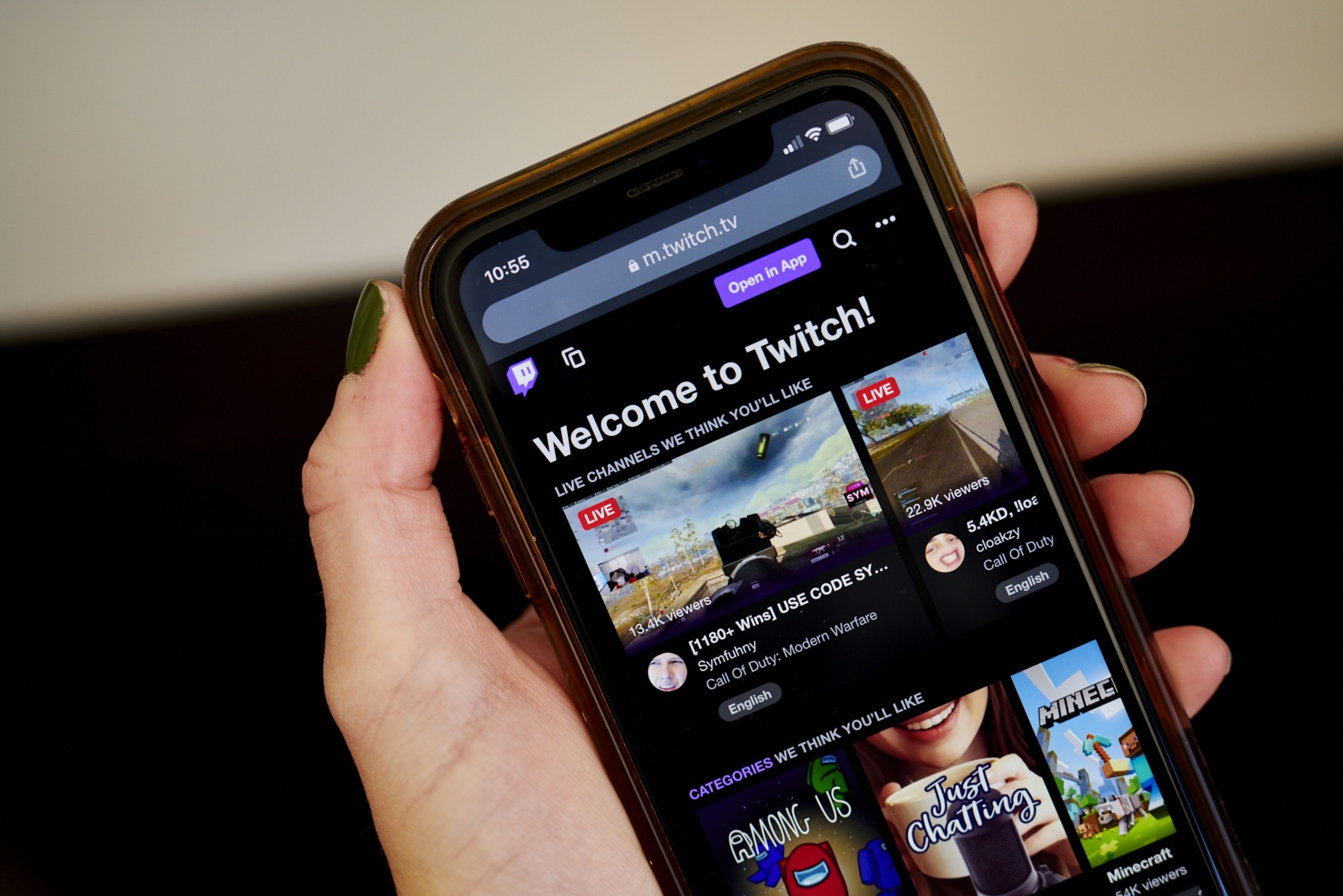
You can, all too often, create all the content in the world and capture the audience but make no money at all. At the moment, there are some evolving distribution and revenue models through social media, TV apps, or OTT channels. Depending on which platform you are live streaming on, you will likely have some revenue share arrangement with them (YouTube, Facebook, etc.). This is an evolving relationship, which has gone from being grossly lopsided to just lopsided. The hope is that there will come a time when it's profitable and fair for both the creator and the distributor. Apps such as Apple TV, Google Chromecast, Samsung TV Plus, or Roku allow you to customise content for your audience and also create ad tech and subscription paywalls for a share of the revenue. In India, you are seeing Amazon carrying television channels and though we have yet to see innovative digital-only live streaming, it's a start. Remember they own Twitch, the largest live streaming platform there is.
These largely transactional distribution relationships should eventually lead to collaborations on subscription models and product and advertising innovation, otherwise it will remain unsustainable for the content creator.Technology is creating an opportunity to find new ways of creating content and monetizing it for an audience that is open to new ways of consuming it. There are new platforms trying new things every day from the much-maligned TikTok to Snap. They are all in the game now adding their own Live streaming capabilities. Adapting to this will need media companies to change everything from culture to talent, unlearn the old rules of television and start from a blank sheet. Streaming should allow increased targeting, customisation, and a level of interactivity, which would make it vastly different from television broadcasts. That's still a while away. For now, I hope it will, at the very least, lead to better quality journalism and less toxic content than its ratings-hungry television cousins.
Parry Ravindranathan is a global media executive and has worked for Bloomberg, Al Jazeera English, Network18, and CNN.
The views expressed here are those of the author and do not necessarily represent the views of BloombergQuint or its editorial team.

-
AI Bias In Investing Cannot Be Eliminated, But It Can Be Governed

Framing is a particularly important example as identical financial information presented in terms of gains rather than losses can lead an LLM to reach a different assessment.
-
Joining The Dots | Dark Skies, Steady Diya: Why Hope Holds This Diwali
With war, a weak rupee and foreign outflows weighing on sentiment, policymakers at the NDTV World Summit and market veterans at NDTV Profit Ignite: Diwali Edition offered the same advice: stay invested and filter out the noise.
-
The Curious Case of Equitas Small Finance Bank And A CEO Who Quit For Stock
PN Vasudevan believes persistent investor concerns over a perceived conflict of interest had become a governance overhang on Equitas Small Finance Bank's stock, even as the lender improved profitability and asset quality.
-
Talking Points This Week: AI Cash Burn, A Tiger Comeback And An India That Still Finds Its Own Path
India is not immune to higher oil or tighter global liquidity, yet its earnings base is broader, its domestic policy levers are still available.
-
Foreign Investors Own Half Of HDFC Bank and ICICI Bank. An LTCG Cut Could Matter Most Here
Foreign portfolio investors have US$115 billion parked in HDFC Bank, ICICI Bank. If the government cuts long-term capital gains tax, Jefferies says returning foreign money could land here first.
-
'Never Seen This Level Of Negativity': Sandeep Tandon Says The Next Rally May Be Closer Than You Think
Veteran investor Sandeep Tandon says foreign selling is easing, large-caps are due a comeback and mid-caps are crowded, while he turns positive on gold, power and pharma this Diwali.
-
Indians Stay With Family, Not In Hotels | The Reason Why
India still lacks enough clean, reliable and affordable hotels for budget-conscious travellers.
-
The Economic Imperative: Analysing The Material Driving Force Behind India-Canada Strategic Reset
This economic complementarity is further reinforced by deep institutional investment ties and talent mobility, which form the bedrock of the bilateral framework.
-
Medicine Pricing: Where Must Profit Stop?
India must confront excessive margins, hidden incentives and regulatory gaps that threaten the integrity of medicine.
-
Why Amazon And Flipkart Are Struggling To Beat Meesho In India's Smaller Cities
With 274 million users and lowest-cost logistics, Meesho is defending its value commerce crown against giants like Amazon and Flipkart.










