Trump Weaponising Dollar Seen As A Needless BRICS Provocation
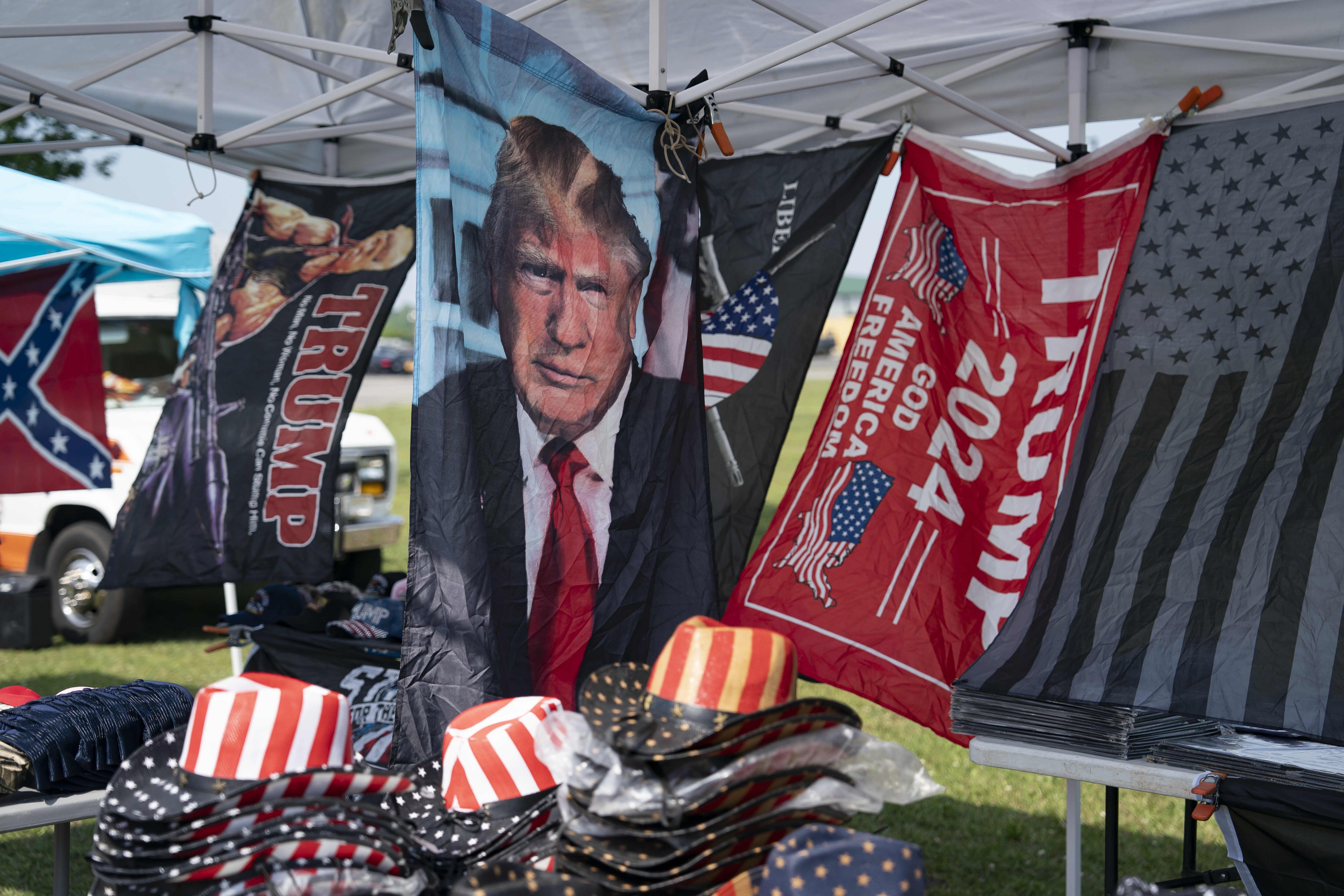
Donald Trump's pressure on countries around the world to stay anchored to a US-dollar-based financial system is a tactic that risks backfiring, market watchers say.
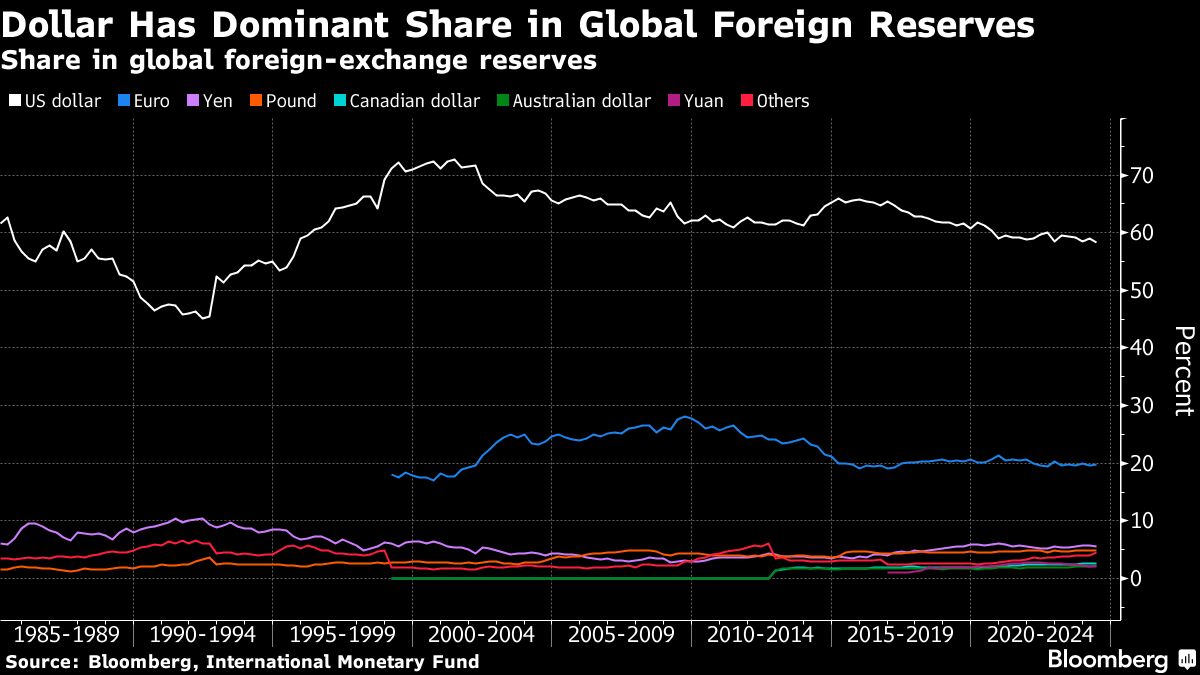
Dollar dominance looks set to continue for the foreseeable future and emerging nations' idea of setting up their own single currency is “hot air,” said Mark Sobel, a retired 40-year veteran of currency policy who worked at the US Treasury. Others say Trump's comments may actually increase the likelihood of such agreements being made as countries look for ways to avoid the greenback.
Trump on the weekend warned the so-called BRICS countries he would require a commitment that they wouldn't create a new currency as an alternative to using the greenback, and repeated threats to levy a 100% tariff if they did. The comments, made Saturday in a post to his Truth Social network, echo those he used in his election campaign.
“The dollar remains dominant for several reasons: the USD is the most liquid currency in the world, trades freely, it is also the lending currency of the world,” said Rodrigo Catril, a strategist at National Australia Bank Ltd. in Sydney. “If Trump increases the pressure on BRICS, it may well accelerate a move away from the dollar.”
The wild swings following Trump's comments are a reminder of how much volatility they can create. His all-hours social media posts during his first term sometimes triggered sudden market fluctuations, upending the work-and-sleep schedules of investors across the globe. Some market participants though are already beginning to attempt to see past the short-term impact of the latest messages, saying a u-turn may come just as quickly.
“It isn't a good look,” Brad Setser, senior fellow at the Council on Foreign Relations and a former US Treasury official during Barack Obama's presidency, wrote on X following Trump's posts. It “indirectly elevates the stature of a non-threat and suggests a lack of confidence in the dollar,” he said.
The dollar accounted for about 88% of all trades in the $7.5 trillion-a-day foreign exchange market, based on the latest triennial survey from the Bank for International Settlements published in 2022. BRICS members control more than 40% of central-bank reserves globally and have discussed ways to reduce reliance on the greenback — including the idea of a single currency for use between them.
Any attempt to dethrone the greenback is easier said than done. The size and strength of the US economy is unparalleled, Treasuries are still one of the safest ways to store money, and the greenback is still the ultimate beneficiary of haven flows.
“With regards to this specific threat, it doesn't appear realistic and the probability is low, but serves as a good reminder that President-elect Trump wants to keep the US dollar as a reserve currency and is unlikely to proactively devalue the dollar,” said Cindy Lau, head of fixed income at Avanda Investment Management Pte. in Singapore.
“This also reaffirms our thinking that tariffs will be continually used as a threat in his term, to serve his objectives and as a powerful bargaining tool,” she said.
While there's no immediate threat to the dollar's supremacy, the long-term outlook is less certain.
Brazil and China had previously struck deals to settle trade in their local currencies, while India and Malaysia had inked an accord to increase usage of the rupee in cross-border business. Thailand and China's central banks in May signed a memorandum of understanding to promote bilateral transactions in local currencies, and Trump's latest comments may actually increase the likelihood of further such agreements.
“From today, anyone outside the US who uses the dollar for transactions will sense this as a yoke that the US is imposing on them,” said Ulrich Leuchtmann, head of foreign-exchange research at Commerzbank AG in Frankfurt. “In the long term, this cannot be a stable state of affairs. Especially since this yoke is likely to be felt all the more oppressively the more selfishly US policy acts in other areas.”

-
Signature Play: The Classic Cocktail Is Dead. Or Is It?

Classic cocktails are disappearing from India's cocktail menus. But they're still being ordered, taught to bartenders and borrowed from. So, who's really having the last drink?
-
A New Samvat Wishlist: Inclusive Prosperity And Human Development
India has strengthened its economic foundations through infrastructure, digital access and enterprise. Its next growth chapter must deepen productivity, create better livelihoods and widen participation in prosperity.
-
Love, Sex Aur Dhokha: The Audacious Plot To Spy On Jensen Huang
A Taipei dinner, a Singapore chip buyer and a suspected Chinese asset: inside the alleged spy operation that got close to NVIDIA's Jensen Huang.
-
Ten Things I Learnt This Samvat
Patience can be a trap. Cheap stocks can stay cheap. Leverage can wipe you out. What did Samvat 2082 teach us? Niraj Shah writes on 10 lessons from the year gone by.
-
Talking Points This Week: Tech Nerves, FII Buying, And A Faraway Banking Shock
The global markets are not shining this Diwali. The exception in the large markets is, India.
-
Midterm Rally Lasted A Day. The Hard Reality Of A Divided US May Last Two Years | Opinion
Between a contested AI boom, a debt ceiling that arrives in 2027 and a president with every incentive to act alone, the next two years may prove more volatile than the first day's rally suggests.
-
Blue Wave Will Derail the AI Trade but Won't Dismantle the AI Era | Unhedged Position
The Democrats' sweep of the US Congress will see politics collide with economic forces both over the long and short term.
-
It's Time To Take The GST Council's Bet On Trust Global
Payment records can prove India's services exports, and clear, proportionate rules can bring foreign digital sellers into the tax net.
-
Opinion | India at 38: From Innovation Overperformer to Innovation Powerhouse
India now has 453 VC-backed deep science startups, 18 of them late-stage, after 117 percent growth since 2020. Laurus Labs, at USD 9.3 billion, is the most valuable deep science company in any middle-income economy outside China.









