The Wood Wide Web And How Humans Plug In
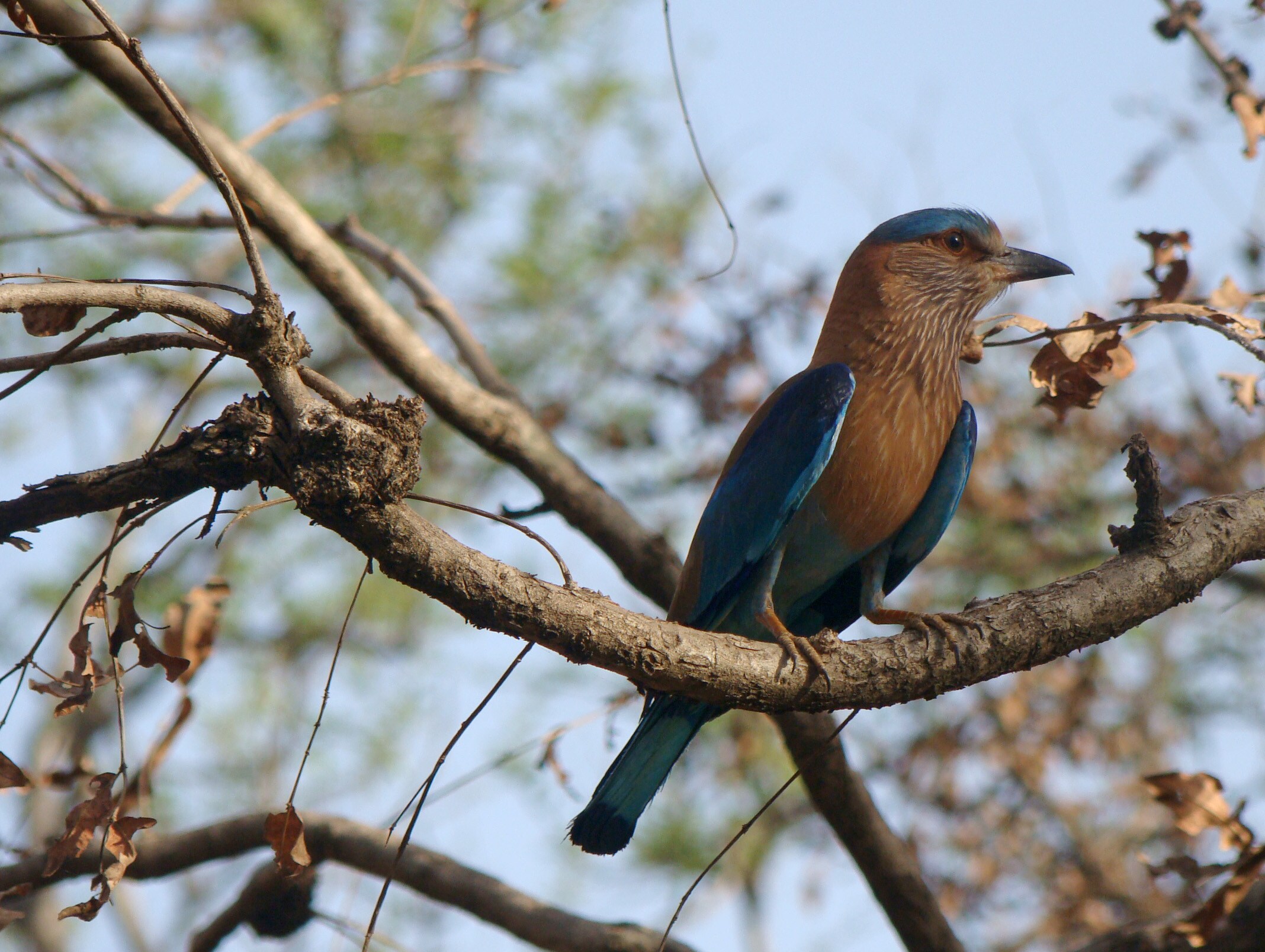
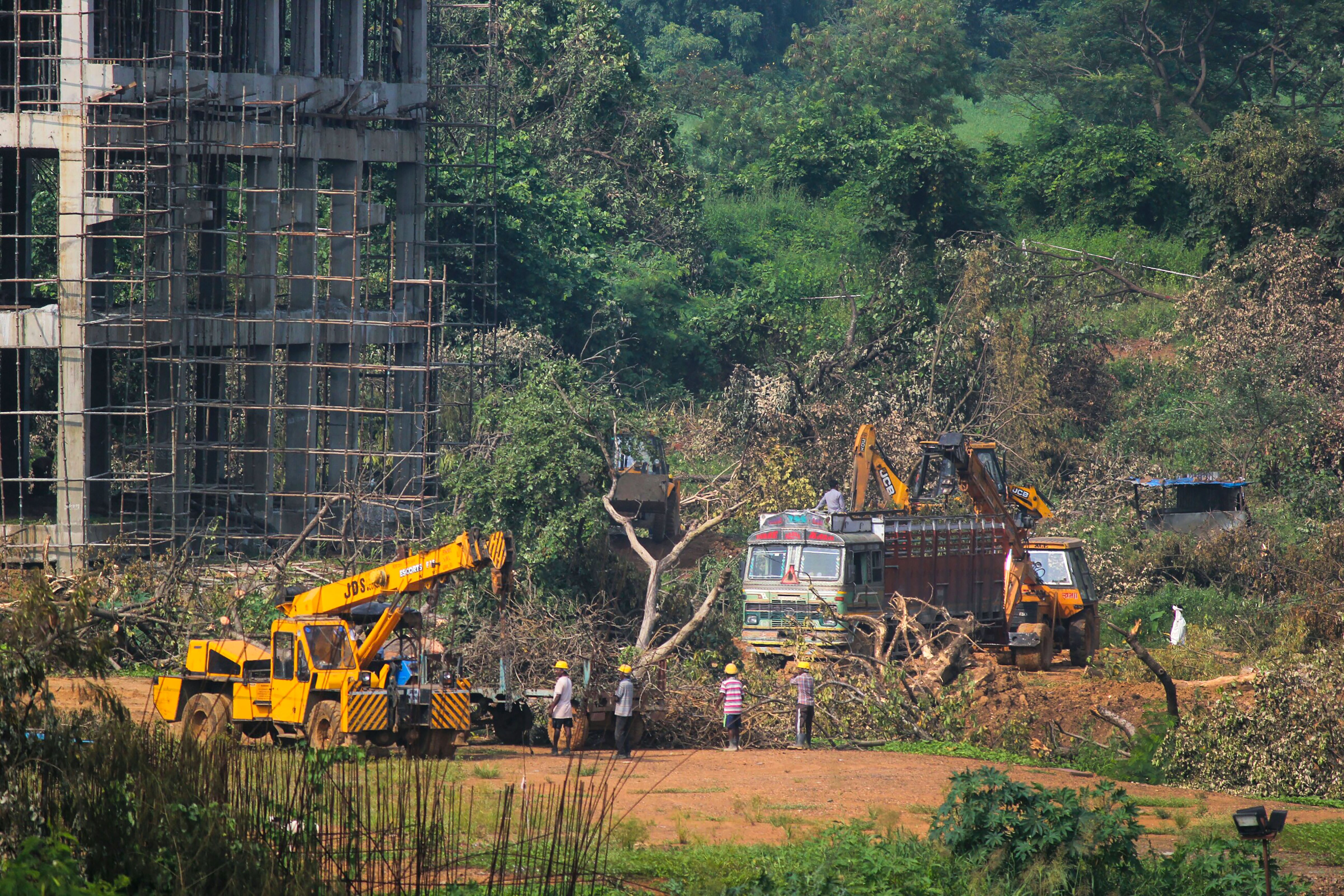
No one would have thought trees can win elections. They probably still can't, but symbols of resistance they can be. As a long-drawn-out political drama in Maharashtra's government formation comes to a close, one of the first things new Chief Minister Uddhav Thackeray announced was that there would be no more tree-cutting in Aarey.
Aarey is a woodland near Sanjay Gandhi National Park and the nerve-centre of a citizens' protest. The previous government led by BJP's Devendra Fadnavis had started cutting thousands of trees in Aarey for what it called development – a shed for the metro rail project. When Fadnavis lost his seat, Mumbaikars tweeted it was the ‘Aarey Curse' at work. Potshots aside, what brought people together was not just their love for one of Mumbai's scarce green belts, but revulsion for governmental apathy to their voice.
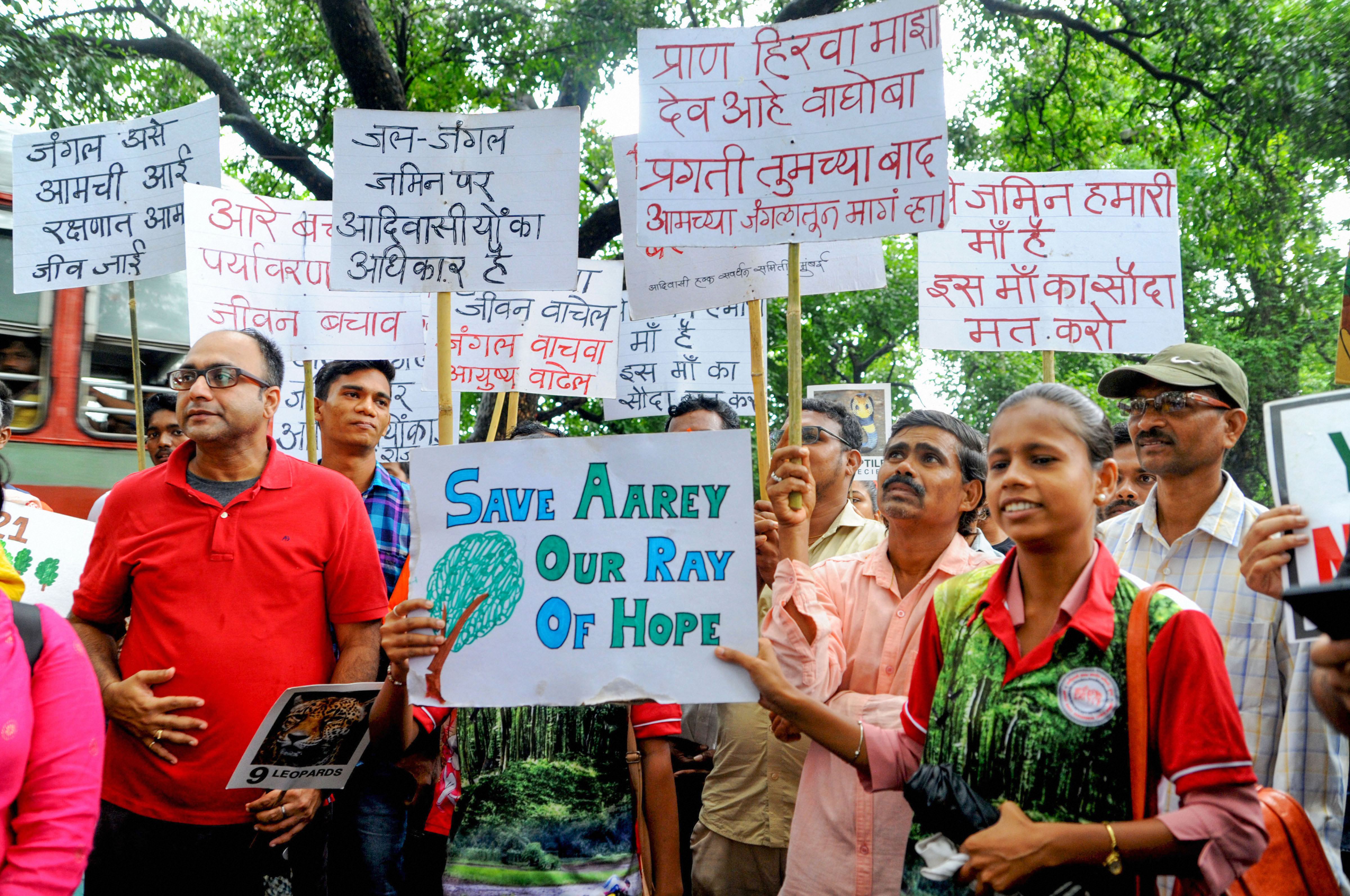
In all of nature's manifestations, trees are the most loved. Tree-hugger isn't just a word, it is a sentiment. However busy or disconnected people may feel from the wild world, they would have something to say if a tree is brought crashing down. That is why people from cities as diverse as Delhi, Mumbai, Pune, and Bengaluru have taken time from their lives to seriously protest against tree-cutting projects.
But why would the middle class, which is usually solidly behind concepts like smart cities and urban development, go against projects that are sold as public-interest transport and road initiatives?
It is because trees have a vaunted place in most lives. Modern science is discovering that our traditional assumptions and hard-to-describe gut feelings are verifiably true. For instance, people often say trees listen and understand. That, when under a tree, one can feel benevolence emanating from it.
It is like a deep plunge into comfort; an escape and a sanctuary.
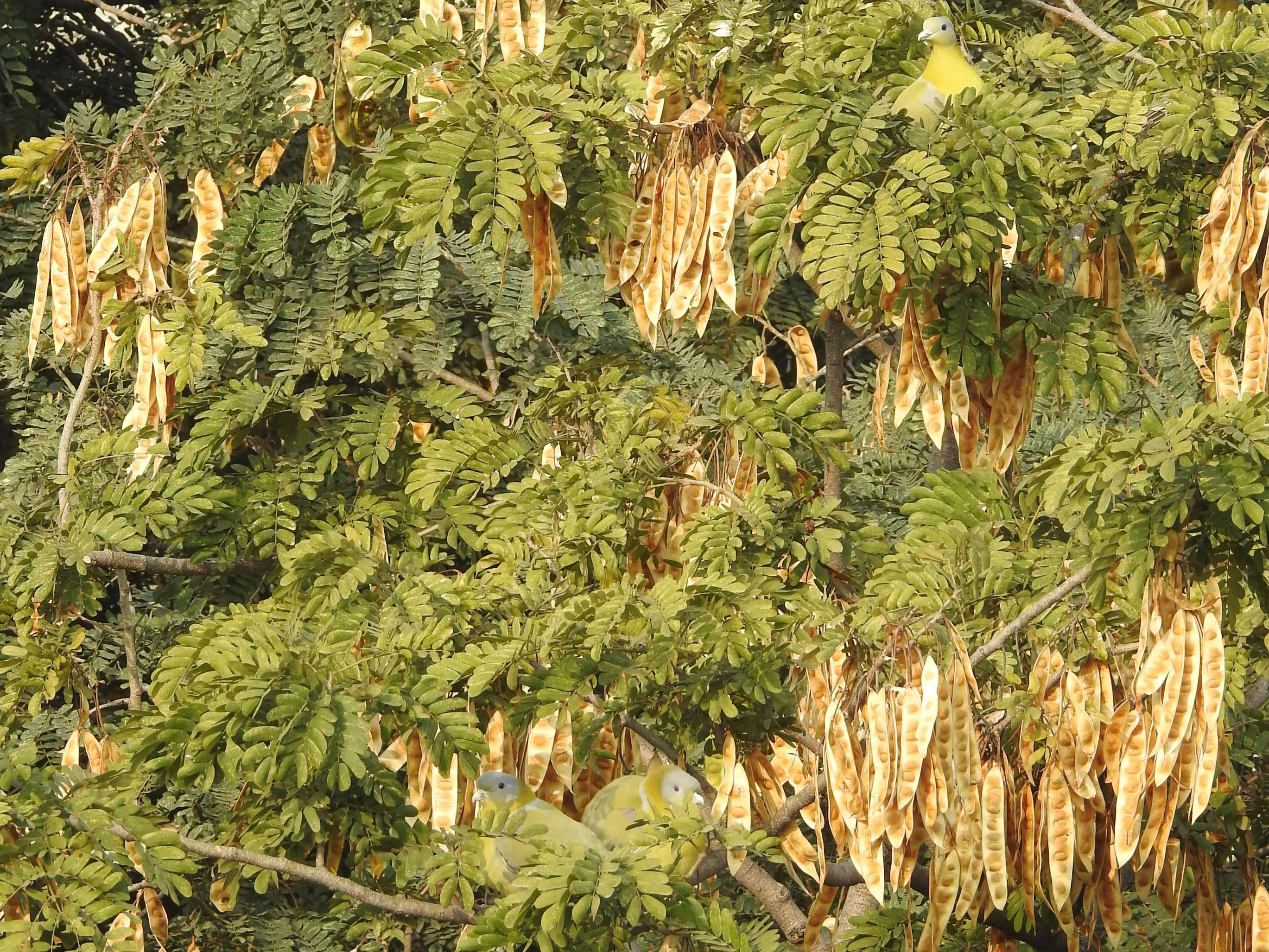
This is actually true. A swathe of recent papers has found that trees communicate – not just to their own species, but to other tree species as well. This is being described as the ‘Wood Wide Web'. Using a vast underground network of fungi, trees can transfer nutrients to each other. They warn each other if pests are coming or if a tree is physically attacked. While they may occasionally compete with some species, they nurture young saplings and help dying trees too. So when people say they feel a “oneness” with nature when they walk into a forest, this may be because we can sense this vast communion, which is shifting yet steady.
The forest is not just of roots, it is also of signals transmitted to aid others; many synapses firing together.
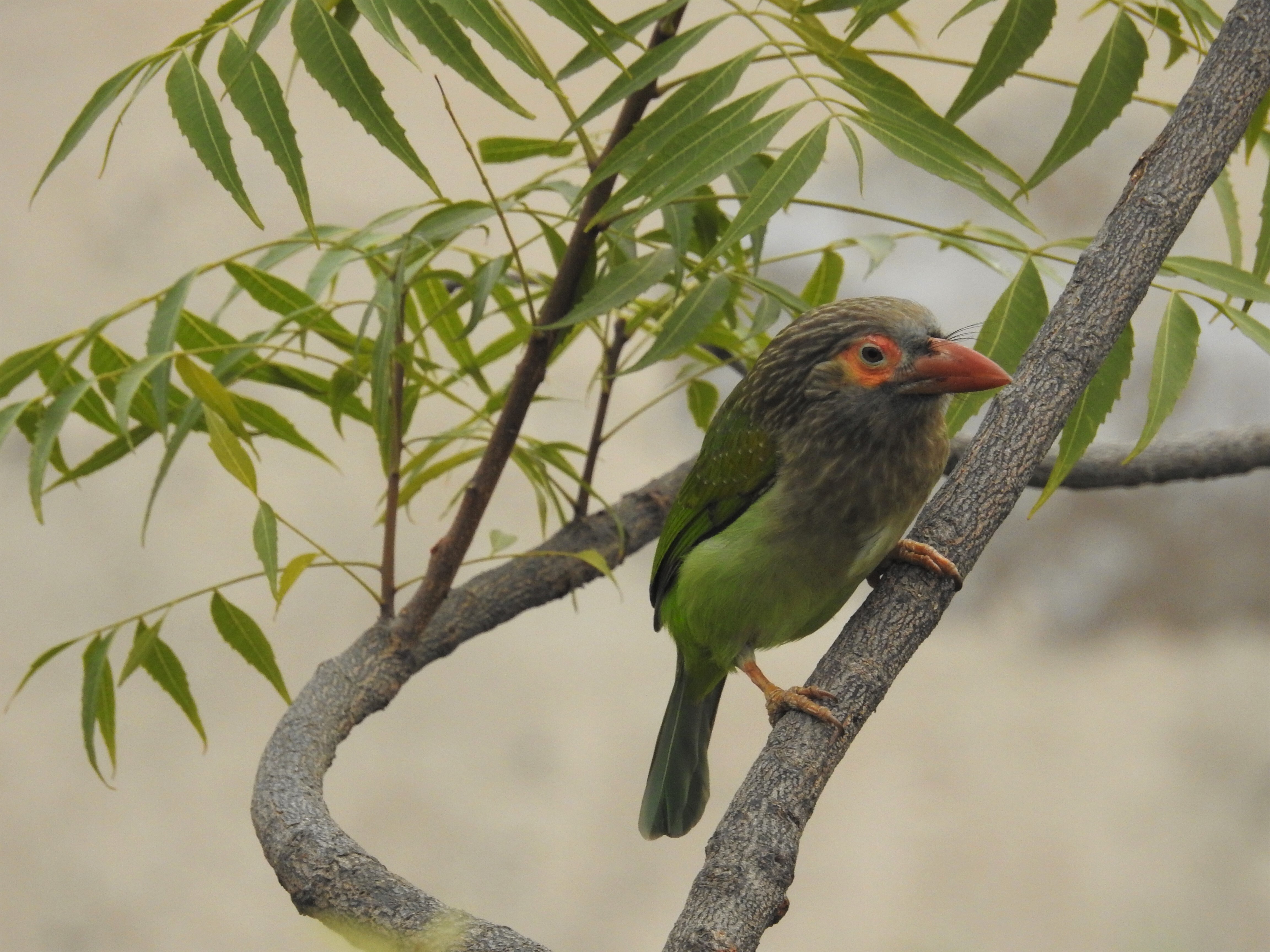
It is, as many tribal cultures describe, a vast ecosystem that is not just listening, but also aware. A sentient super-system in its own right. In his 2019 book, Underland, award-winning writer Robert Macfarlane describes, “our growing comprehension of forest networks asks profound questions: about where species begin and end, about whether a forest might best be imagined as a super-organism, and about what ‘trading', ‘sharing', or even ‘friendship' might mean between plants, and indeed, between humans.'”
This may perhaps explain why trees evoke deep emotions in us. A banyan tree feels like an institution, with many pillars and citizens in its fig-laden branches. A neem feels sharp, rock-solid. Trees extend their reach for far distances, not least by their seeds, but also their pollen – the reason why you can smell a saptaparni from hundreds of metres away; and you feel it before you see it.

Other studies show that trees are a balm on tired urban senses. A 2013 study by Vailshery and others conducted in 20 locations in Bengaluru had results that perhaps may not surprise tree lovers. Your grandparents may have told you that trees cool the air and purify it; old wisdom asks for planting jamun trees to chill the micro-climate. The 2013 study found that streets with trees had lower temperatures, pollution, and humidity. Ambient air temperatures in the afternoon, as compared to roads without trees, were lower by 5.6 ◦C.
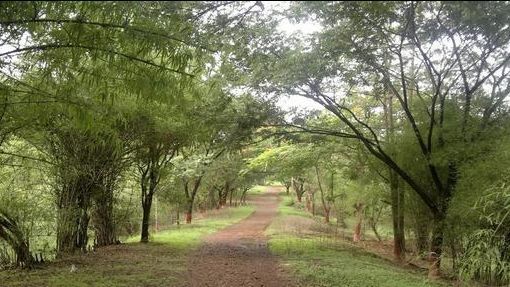
Archaeologists often joke that while older civilisations came up near rivers, if people in the future were to look back at us, they would find modern civilisations next to roads. Roads are an inevitable part of our lives, full of smoke and promise; hope and weariness. Pressed for space, it is almost gospel truth for city planners to advocate cutting scores of trees at one go to expand or build roads. For instance, two lakh trees are slated to be cut for the Nagpur-Mumbai highway. Several thousand have been cut already for the expansion of National Highway 7, between Kanha and Pench. As roads are made broader in cities, traffic is supposed to ease. But the resultant heat pressurises us more, too. Tarmac heat is unforgiving, leading some cities to use heated road surfaces as settings for solar panels.
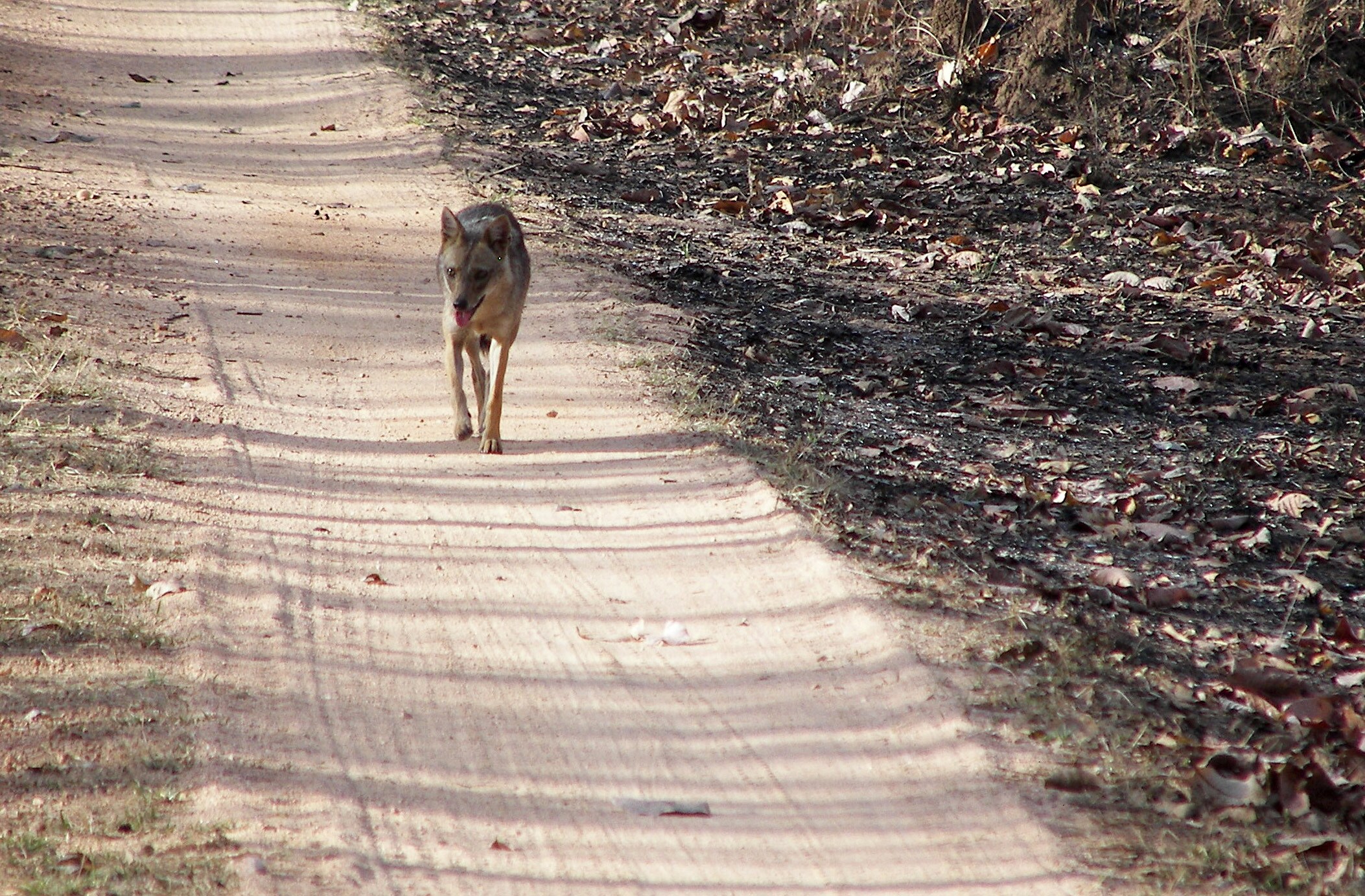
The reason why cities are holding on to trees—flying in the face of largely apathetic governments—is not just because people intuitively feel a connection to trees. It is also because trees are becoming scarcer, as common lands shrink or get built over. In many ways, trees are a citizen's first and last link with nature – one that is feeling exceedingly fraught in the face of harsher rain, longer dry spells, and strange weather patterns.
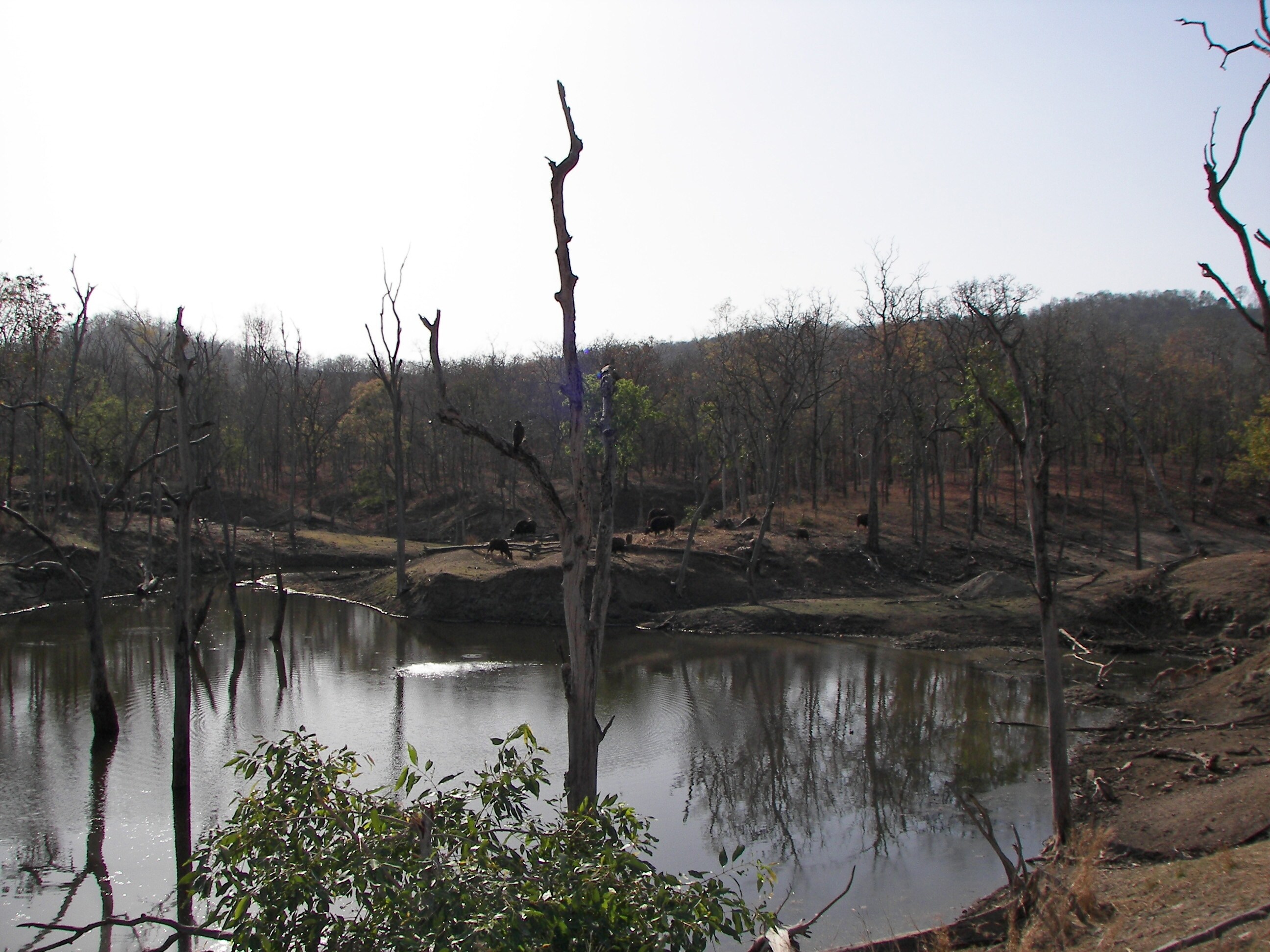
As climate change becomes a part of life, can our relationship with trees remain the same? Perhaps this question can be answered by considering that we know little about the changing world or even science in nature. What we can go by though is our intuitive connection with trees, our yearning to walk in parks, immerse in forests, and the feeling of homecoming under a tree that stands over us like a giant. These are all gut feelings that may not find full scientific explanations or place in government files, yet these are things that perhaps make us more fully human.
Neha Sinha works with the Bombay Natural History Society.
Views expressed are personal. The views expressed here are those of the author and do not necessarily represent the views of BloombergQuint or its editorial team.

-
Getting To Work Costs Women More | The Reason Why

It is not just about women paying more than men. It is about women paying much more in cities than in villages.
-
AI Bias In Investing Cannot Be Eliminated, But It Can Be Governed
Framing is a particularly important example as identical financial information presented in terms of gains rather than losses can lead an LLM to reach a different assessment.
-
Joining The Dots | Dark Skies, Steady Diya: Why Hope Holds This Diwali
With war, a weak rupee and foreign outflows weighing on sentiment, policymakers at the NDTV World Summit and market veterans at NDTV Profit Ignite: Diwali Edition offered the same advice: stay invested and filter out the noise.
-
The Curious Case of Equitas Small Finance Bank And A CEO Who Quit For Stock
PN Vasudevan believes persistent investor concerns over a perceived conflict of interest had become a governance overhang on Equitas Small Finance Bank's stock, even as the lender improved profitability and asset quality.
-
Talking Points This Week: AI Cash Burn, A Tiger Comeback And An India That Still Finds Its Own Path
India is not immune to higher oil or tighter global liquidity, yet its earnings base is broader, its domestic policy levers are still available.
-
Foreign Investors Own Half Of HDFC Bank and ICICI Bank. An LTCG Cut Could Matter Most Here
Foreign portfolio investors have US$115 billion parked in HDFC Bank, ICICI Bank. If the government cuts long-term capital gains tax, Jefferies says returning foreign money could land here first.
-
'Never Seen This Level Of Negativity': Sandeep Tandon Says The Next Rally May Be Closer Than You Think
Veteran investor Sandeep Tandon says foreign selling is easing, large-caps are due a comeback and mid-caps are crowded, while he turns positive on gold, power and pharma this Diwali.
-
Indians Stay With Family, Not In Hotels | The Reason Why
India still lacks enough clean, reliable and affordable hotels for budget-conscious travellers.
-
The Economic Imperative: Analysing The Material Driving Force Behind India-Canada Strategic Reset
This economic complementarity is further reinforced by deep institutional investment ties and talent mobility, which form the bedrock of the bilateral framework.
-
Medicine Pricing: Where Must Profit Stop?
India must confront excessive margins, hidden incentives and regulatory gaps that threaten the integrity of medicine.










