TRAI Close To Penalising Telecom Firms For Call Drop Violations In March Quarter
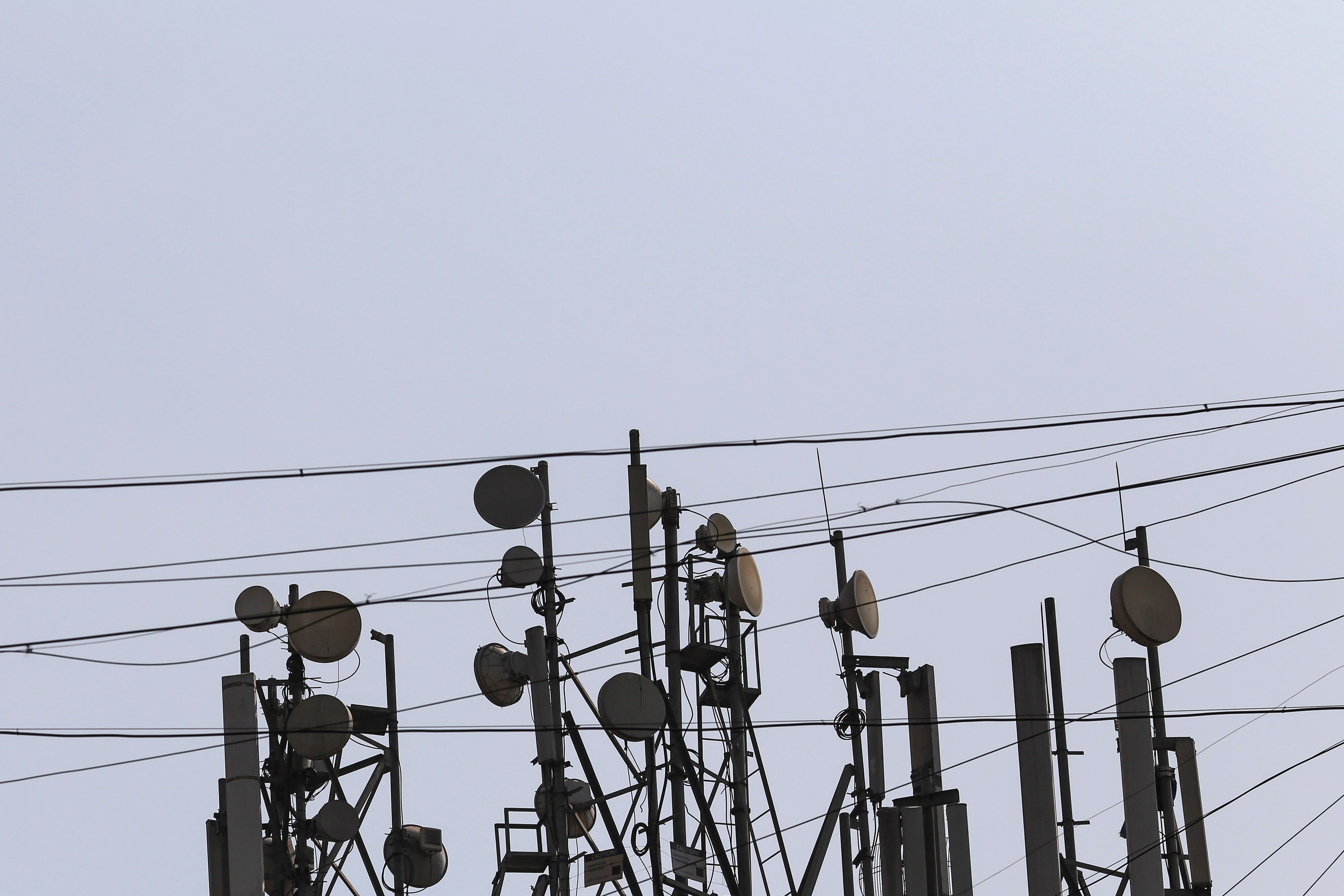
The Telecom Regulatory Authority Of India is in the final stages of slapping a penalty on operators who have not met call drop norms for the quarter ended March 2018, its Chairman RS Sharma said.
Maintaining its watch on service quality in the sector, TRAI had tightened the rules and asked players to abide by its new quality of service benchmarks from October 1, 2017. Two quarters of assessment has been completed since the new norms came into force.
"For the quarter of January to March, we are in the final stage of issuing the penalty," Sharma told PTI. He said that showcause notices have already been issued to erring operators and 21 days have been given for submitting their responses. He. however, did not identify the operators, saying TRAI did not want to name and shame any player.
The assessment is based on network performance of operators between January and March, measured against the TRAI's new service quality benchmarks.
The "financial disincentive" has already been levied for December 2017 quarter, Sharma added.
Under the new rules, call drops are measured at mobile tower level instead of telecom circle level. TRAI was of the view that average calculated at circle level may hide many issues.
TRAI proposed financial disincentive in the range of Rs 1-5 lakh in a graded penalty system depending on the performance of a network, with stringent fines for repeat violations under the new Quality of Service rules. However, there is cap of Rs 10 lakh on financial disincentive.
Besides, earlier rules did not address temporary issues in telecom network like non-functioning of mobile towers or geographical issues like network quality in an underserved town. Many other parameters too were tightened, and the regulator also fixed benchmark for radio-link time out technology – purportedly used by operators for masking call drops.
When contacted, industry body COAI's director-general, Rajan Mathews said new QoS rules are among the most stringent globally, and that telecom operators in India have make required investments to ensure compliance with the norms.

-
Signature Play: The Classic Cocktail Is Dead. Or Is It?

Classic cocktails are disappearing from India's cocktail menus. But they're still being ordered, taught to bartenders and borrowed from. So, who's really having the last drink?
-
A New Samvat Wishlist: Inclusive Prosperity And Human Development
India has strengthened its economic foundations through infrastructure, digital access and enterprise. Its next growth chapter must deepen productivity, create better livelihoods and widen participation in prosperity.
-
Love, Sex Aur Dhokha: The Audacious Plot To Spy On Jensen Huang
A Taipei dinner, a Singapore chip buyer and a suspected Chinese asset: inside the alleged spy operation that got close to NVIDIA's Jensen Huang.
-
Ten Things I Learnt This Samvat
Patience can be a trap. Cheap stocks can stay cheap. Leverage can wipe you out. What did Samvat 2082 teach us? Niraj Shah writes on 10 lessons from the year gone by.
-
Talking Points This Week: Tech Nerves, FII Buying, And A Faraway Banking Shock
The global markets are not shining this Diwali. The exception in the large markets is, India.
-
Midterm Rally Lasted A Day. The Hard Reality Of A Divided US May Last Two Years | Opinion
Between a contested AI boom, a debt ceiling that arrives in 2027 and a president with every incentive to act alone, the next two years may prove more volatile than the first day's rally suggests.
-
Blue Wave Will Derail the AI Trade but Won't Dismantle the AI Era | Unhedged Position
The Democrats' sweep of the US Congress will see politics collide with economic forces both over the long and short term.
-
It's Time To Take The GST Council's Bet On Trust Global
Payment records can prove India's services exports, and clear, proportionate rules can bring foreign digital sellers into the tax net.
-
Opinion | India at 38: From Innovation Overperformer to Innovation Powerhouse
India now has 453 VC-backed deep science startups, 18 of them late-stage, after 117 percent growth since 2020. Laurus Labs, at USD 9.3 billion, is the most valuable deep science company in any middle-income economy outside China.









