The Payments Council’s Suggestions To RBI’s Nilekani Panel
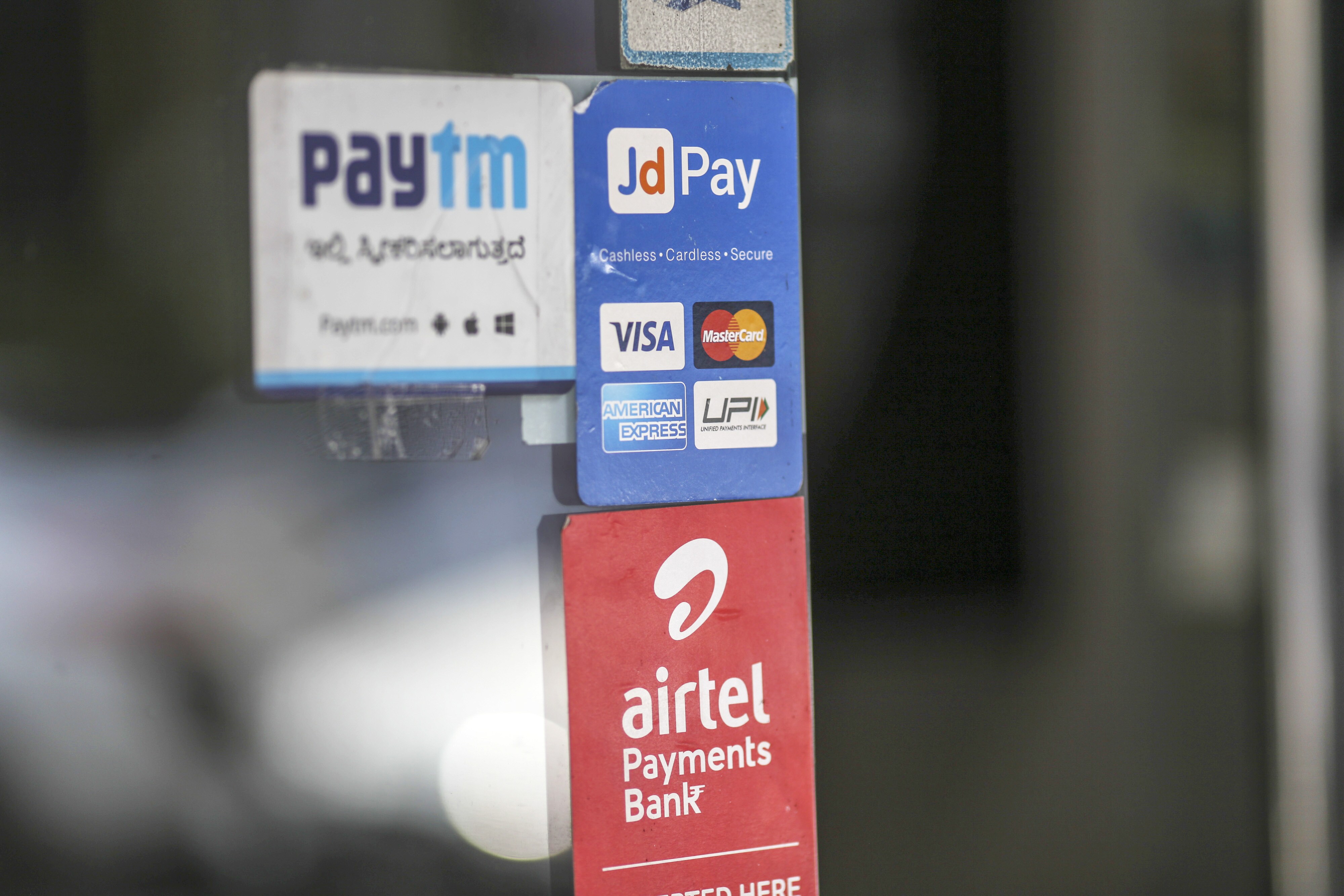
As the use of Aadhaar is restricted for online verification of customers, the payments industry lobby suggested a common know-your-customer bureau to make user authentication easier.
Such a bureau would provide market players access to digital KYC environment and help bring down customer acquisition costs across payment services an interoperable infrastructure, the Payments Council of India said in a presentation to the Nandan Nilekani-led Reserve Bank of India's panel for boosting digital payments.
The suggestion comes as the Aadhaar-issuing authority—UIDAI—has barred access to its database citing security concerns. That hurt the fintech industry, including mobile wallets, as the physical costs of verifying customers are high. The Supreme Court also later prevented the use Aadhaar by companies for customer validation.
The Payments Council's recommendations to the RBI follow the central bank's Jan. 21 policy paper seeking comments on the future of the retail payments and how regulations could be crafted to encourage competition.
“Our country is on the verge of becoming a digital superpower,” Naveen Surya, chairman emeritus, PCI, said in a media statement. “However, cash still reigns supreme and to digitise the cash use in the country we need to build a robust digital payments ecosystem besides enhancing customer faith in the industry.”
A KYC bureau could mean that all records will be stored in a centralised manner and whenever a customer is on-boarded, the payments service provider needn't collect physical documents and, instead, verify the identity through the bureau. The PCI suggested that consumers should be allowed to choose the level of KYC for payments based on their frequency of use, convenience and risk appetite.
Tax Incentives, Easier Regulations
Vishwas Patel, chairman at PCI, said the government should support the industry through exemptions in GST on services like domestic remittances and import duty on point-of-sale machines.
The PCI also proposed that minimum capital level and net-owned funds should be in line with the size of the service provider as financial barriers increase compliance costs for new entrants.
All viable and profitable payment initiatives should be fully opened up to the market on a continuous basis via on-tap licensing to drive competition instead of a “one-time-window approach”, Loney Antony, Co-Chair at PCI and managing director, Hitachi Payment Services, said. He recommended a framework similar to a regulatory sandbox for piloting new ideas and platforms under the industry and regulator's supervision.
Greater Access For Wallets
Prepaid payment instruments like wallets have a partial access to card networks and the Unified Payments Interface. The PCI recommended that these be given equal and seamless access and interoperability of the instruments should be expanded to foreign merchants.
Here are the other recommendations:
- Cash withdraws be permitted through prepaid instruments through automated-teller machines and agent networks, and they can be used for electronic and direct benefit transfer.
- Non-bank entities be given seamless access to key payment systems like RTGS and NEFT, among others.
- Non-bank lenders be allowed to issue credit cards (physical or digital) as there is a huge “untapped market base”.
- Allow payments players to cross-sell insurance and other third-party financial products.
- Framework to share fraud-related data between service providers and establish an independent body for supervision and vigilance.
- Establishing a safety and security standard to give customers the trust to transact online.

-
Signature Play: The Classic Cocktail Is Dead. Or Is It?

Classic cocktails are disappearing from India's cocktail menus. But they're still being ordered, taught to bartenders and borrowed from. So, who's really having the last drink?
-
A New Samvat Wishlist: Inclusive Prosperity And Human Development
India has strengthened its economic foundations through infrastructure, digital access and enterprise. Its next growth chapter must deepen productivity, create better livelihoods and widen participation in prosperity.
-
Love, Sex Aur Dhokha: The Audacious Plot To Spy On Jensen Huang
A Taipei dinner, a Singapore chip buyer and a suspected Chinese asset: inside the alleged spy operation that got close to NVIDIA's Jensen Huang.
-
Ten Things I Learnt This Samvat
Patience can be a trap. Cheap stocks can stay cheap. Leverage can wipe you out. What did Samvat 2082 teach us? Niraj Shah writes on 10 lessons from the year gone by.
-
Talking Points This Week: Tech Nerves, FII Buying, And A Faraway Banking Shock
The global markets are not shining this Diwali. The exception in the large markets is, India.
-
Midterm Rally Lasted A Day. The Hard Reality Of A Divided US May Last Two Years | Opinion
Between a contested AI boom, a debt ceiling that arrives in 2027 and a president with every incentive to act alone, the next two years may prove more volatile than the first day's rally suggests.
-
Blue Wave Will Derail the AI Trade but Won't Dismantle the AI Era | Unhedged Position
The Democrats' sweep of the US Congress will see politics collide with economic forces both over the long and short term.
-
It's Time To Take The GST Council's Bet On Trust Global
Payment records can prove India's services exports, and clear, proportionate rules can bring foreign digital sellers into the tax net.
-
Opinion | India at 38: From Innovation Overperformer to Innovation Powerhouse
India now has 453 VC-backed deep science startups, 18 of them late-stage, after 117 percent growth since 2020. Laurus Labs, at USD 9.3 billion, is the most valuable deep science company in any middle-income economy outside China.









