The Bounce In Agricultural Growth Is Missing In Farmers’ Lives
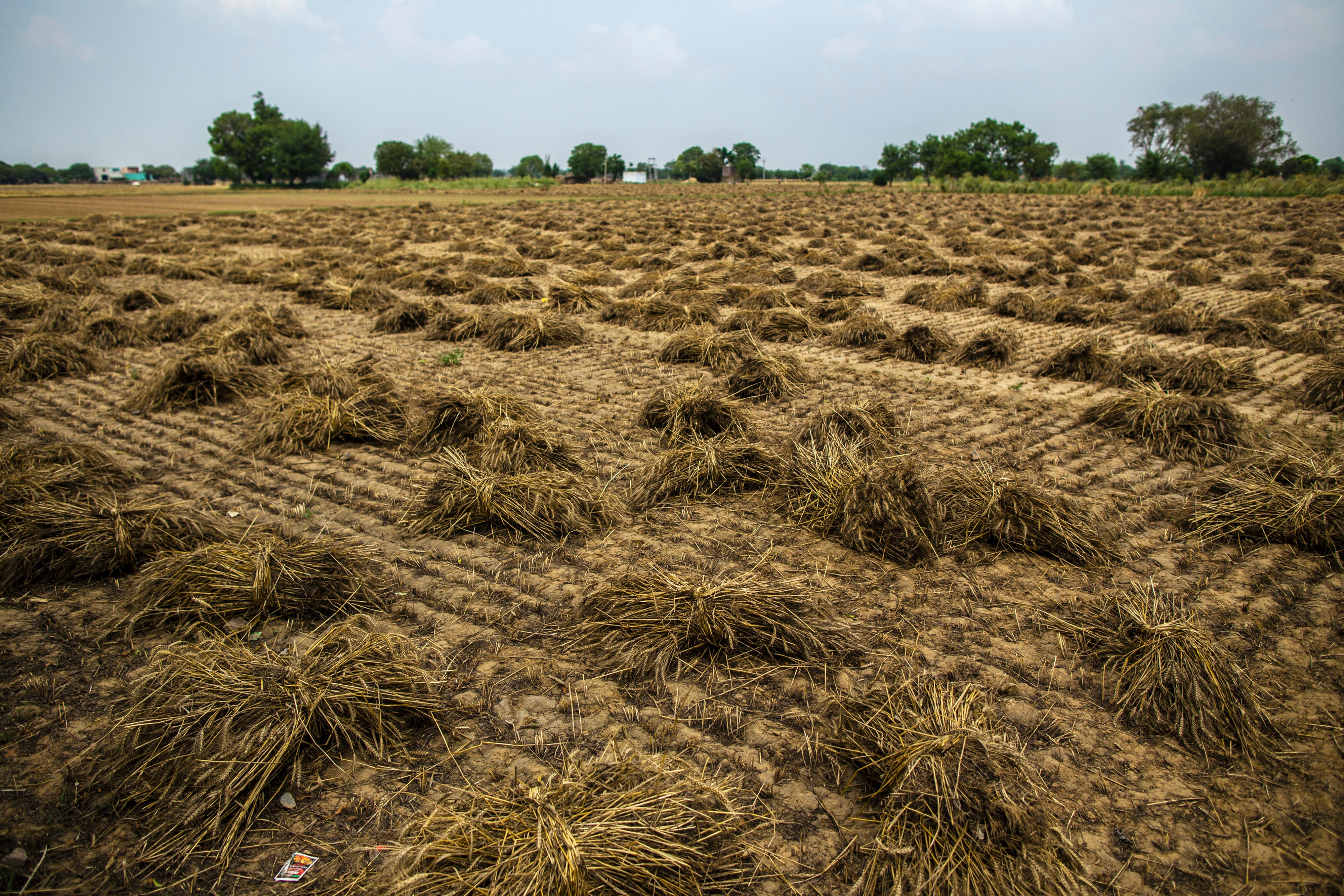
Urban middle-class consumers are not restive at this time of the year like they were two years ago. But farmers are. They have forced the Maharashtra government to give them a farm loan waiver. The contagion has now spread to Madhya Pradesh, which has been lauded for achieving the highest agricultural growth of 9.7 percent between 2005-06 and 2014-15. A good harvest this year in most crops and record production in some following copious rainfall last year has sunk prices and the incomes of farmers.
The wholesale price of arhar-tur or pigeon pea was 27 points above the 2011-12 base year price in April 2017. In April last year, it was 117.5 points higher. Pulses production this year was at an all-time high of 22.4 million tonnes, over three million tonnes more than last year.
The price of wheat in the first four months of this year was slightly higher than that of the same period last year. Production, higher by about 1.5 million tonnes over last year, has kept prices in check. The price of rice has behaved likewise because output this year was 2.5 million tonnes higher than last year. Milk prices have also held steady in the first quarter of this calendar year.
Agriculture has bounced back after two consecutive years of deficient rainfall. Growth in the last fiscal is estimated at 4.9 percent. But it brings no solace to farmers.
The experience of pulses farmers has been traumatic. Singed by consumer protests over dal (pulses) prices two years ago, the government had stepped up procurement and offered higher support prices to reflect their social usefulness, as unlike cereals they enrich the soil with nitrogen from the atmosphere and use less subsidised urea.
Though procurement at 2 million tonnes out of a total kharif output of 8.7 million tonnes was substantial, 60 percent of the output was sold below support prices resulting in depressed incomes, said Chief Economic Adviser Arvind Subramanian, who chaired a committee on pulses. Stock limits and export restrictions kept prices low, he said.
The vice-chancellor of an agricultural university in Marathwada who did not want to be named, because of the political sensitivity of the issue, told this correspondent in April that three or four farmers in the region were committing suicide every day. Most of them were young. There were heaps of pigeon pea in the mandi or market, he said, and no takers. There is over-production of chillies too. The price of chilly had declined from around Rs 10,000 a quintal last year to around Rs 3,000. It did not even cover the cost of picking.
Agriculture has become very risky. Farmers have to contend with weather and price risks. They suffer if the weather turns out to be very good for a crop, and also if it is unhelpful. In the two years that this correspondent has been tracking agriculture rather closely, he has seen farmers in Uttar Pradesh lose their wheat crop to hailstorms just at the time of harvesting.
- In West Bengal, a bumper crop of potatoes led to prices slumping and distress sales in 2015, followed by a lean crop and shooting prices in 2016. It went bust once again this year.
- In Punjab, farmers lost their cotton crop to an epidemic of white flies.
- In the Mysuru area, there were no takers for tomatoes around October last year because of overproduction, as farmers had rushed into the crop misreading price signals from flood-hit Chennai the previous season.
- There have been droughts in Marathwada, Bundelkhand and Tamil Nadu.
Farmers need insurance against the vagaries of both nature and the markets.
Also Read: Economist Who Praised Madhya Pradesh Agricultural Model Questions Late Action
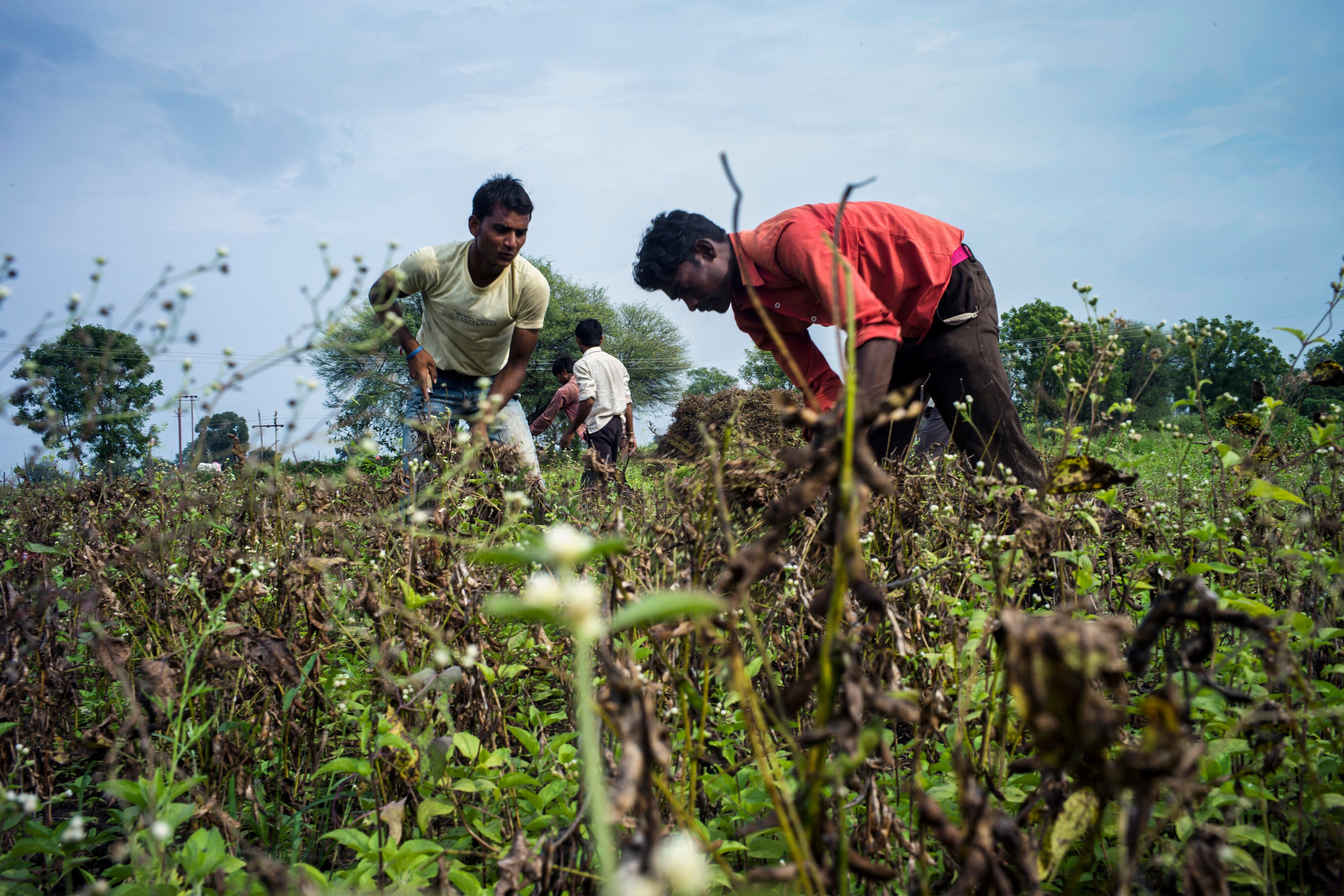
Policy actions do not reflect the congruence of interests between farmers and urban middle class consumers, Subramanian said in his foundation day lecture of the National Academy of Agricultural Sciences on June 5.
Lower farmer prices today will adversely affect future agricultural supplies (especially in crops that are predominantly produced domestically such as pulses, fruits, and vegetables) which will increase consumer prices tomorrow. So, even over reasonable planning and political horizons, what is good for the farmer is good for the consumer.Arvind Subramanian, Chief Economic Adviser
Farmers need technology that will make their crops resistant to pests and diseases, lower the cost of production through traits like herbicide tolerance and make them resilient to weather changes. But India has kept them from accessing this technology for ideological reasons.
The median household annual net farm income in 2012-13 was Rs 19,250, or Rs 1,600 a month. Agriculture does not pay for most farmers.
Also Read: The Protesting Tamil Farmer Pays For The UP Farmer's Loan Waiver
The emphasis so far has been on increasing production and productivity. That must continue. More people need to be pulled out of agriculture. But there is also a herd mentality operating among farmers because they misread the price signals. Because of this, a lean crop and high prices in one year results in excess production and price slumps the next year. Unless a way is found to align farmers with markets, their distress will continue.
Vivian Fernandes is editor of www.smartindianagriculture.in.
The views expressed here are those of the author's and do not necessarily represent the views of BloombergQuint or its editorial team.

-
One El Nino, India Can Handle. Two Could Break The Granary

India's grain stocks can absorb one bad year, but a second El Nino could drain the buffer in two to three years, economists say.
-
India's Troika Of Good Luck | Joining The Dots
As Jensen Huang's exit drags Nvidia down, a cooling AI trade and resilient earnings have revived investor interest in India. A likely RBI rate hike looms.
-
Talking Points This Week: Leadership Shock At Nvidia, Earnings Strength, And The Fog Over Hormuz
The Anthropic IPO pricing and first trading day, Nvidia's upcoming earnings, and any fresh signals from Iran will set the tone for the following week.
-
Signature Play: The Classic Cocktail Is Dead. Or Is It?
Classic cocktails are disappearing from India's cocktail menus. But they're still being ordered, taught to bartenders and borrowed from. So, who's really having the last drink?
-
A New Samvat Wishlist: Inclusive Prosperity And Human Development
India has strengthened its economic foundations through infrastructure, digital access and enterprise. Its next growth chapter must deepen productivity, create better livelihoods and widen participation in prosperity.
-
Love, Sex Aur Dhokha: The Audacious Plot To Spy On Jensen Huang
A Taipei dinner, a Singapore chip buyer and a suspected Chinese asset: inside the alleged spy operation that got close to NVIDIA's Jensen Huang.
-
Ten Things I Learnt This Samvat
Patience can be a trap. Cheap stocks can stay cheap. Leverage can wipe you out. What did Samvat 2082 teach us? Niraj Shah writes on 10 lessons from the year gone by.
-
Talking Points This Week: Tech Nerves, FII Buying, And A Faraway Banking Shock
The global markets are not shining this Diwali. The exception in the large markets is, India.
-
Midterm Rally Lasted A Day. The Hard Reality Of A Divided US May Last Two Years | Opinion
Between a contested AI boom, a debt ceiling that arrives in 2027 and a president with every incentive to act alone, the next two years may prove more volatile than the first day's rally suggests.
-
Blue Wave Will Derail the AI Trade but Won't Dismantle the AI Era | Unhedged Position
The Democrats' sweep of the US Congress will see politics collide with economic forces both over the long and short term.









