Tesla To Effect 10% Job Cuts Globally Amid Plans To 'Make In India'
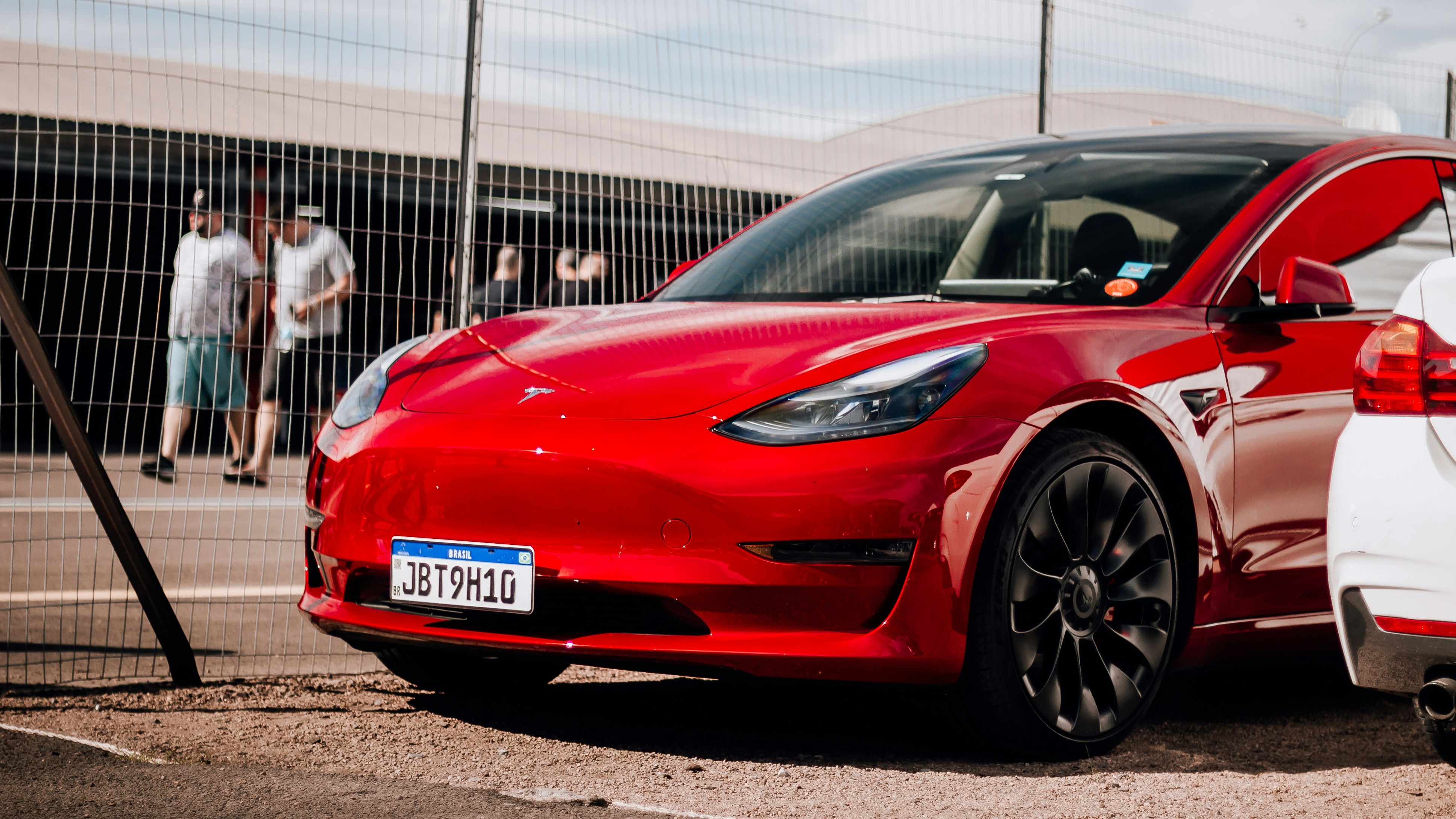
Tesla Inc. is planning to reduce its global headcount by more than 10%, amid reported plans to make and sell in India.
In an internal email, Chief Executive Officer Elon Musk cited “duplication of roles and job functions in certain areas” as the reason for the job cuts, Electrek reported. Assuming the cuts apply company-wide, the dismissal would amount to more than 14,000 employees.
The report comes against the backdrop of Tesla's first quarterly sales decline in four years.
The maker of the Model 3 electric sedan shipped 387,000 units in January-March, missing revised expectations of just under 450,000 units. A year ago, analysts had expected Tesla to ship 530,000 units during the quarter. Now, several analysts are bracing for Tesla's sales to potentially shrink for the year, citing slow output of its newest model—the Cybertruck— and a lull in new products.
“As we prepare the company for our next phase of growth, it is extremely important to look at every aspect of the company for cost reductions and increasing productivity,” Musk wrote in the email. “As part of this effort, we've done a thorough review of the organisation and made the difficult decision to reduce our headcount by more than 10% globally. There is nothing I hate more, but it must be done.”
Tesla has been ramping up production at two plants—Austin and Berlin—amid Musk's plans to visit India and set up a production facility in the world's third largest automotive market. The billionaire is likely to meet Prime Minister Narendra Modi on April 20-22, and announce his plans to make and sell Tesla cars in India.
That, in a way, was made possible by the revision of India's EV policy.
Global electric carmakers, which invest at least $500 million to set up local manufacturing operations, will enjoy a reduced customs duty of 15% on imports for five years, as against 70-100% at present. The minimum CIF (cost, insurance and freight) of the electric car must not exceed $35,000. There is no upper limit on the investment, but the facility has to go onstream in three years and achieve 50% localisation in five years.
India's new EV policy is a big win for Tesla, which had been lobbying with New Delhi for a favourable tax regime to sell in India. The government wasn't keen until the firm committed to local manufacturing.
According to reports, Tesla is scouting for a location in India to set its manufacturing facility. Gujarat, Maharashtra and Tamil Nadu—states with expansive automotive hubs and access to ports—are said to be in the shortlist.
Tesla has reportedly signed an agreement with Tata Electronics Pvt. Ltd. to manufacture critical componentry. It is also said to be eyeing a partnership with Reliance Industries Ltd. for manufacturing operations and real estate for retail operations.
Job Cuts
Tesla staff have been fearing potential job cuts since early this year, when managers were asked to affirm whether each of their employees' positions is critical.
“We just have to chase down every penny possible,” Chief Financial Officer Vaibhav Taneja said during Tesla's most recent earnings call on Jan. 24. “We have a strong team which is hyper-focused on this.”
The EV slowdown Tesla has felt of late has been widespread. China's BYD Co. delivered just 300,114 BEVs in the first quarter, down 43% from the final three months of last year, when it briefly pulled ahead as the world's top electric carmaker.
Manufacturers including Volkswagen AG, General Motors Co. and Ford Motor Co. have delayed, dialled back or altogether scrapped EV projects as consumers baulk at still-high prices and a dearth of charging stations.
India, however, has bucked the trend. Sales of electric cars more than doubled over the previous year to 82,105 units in 2023, according to data from the Federation of Automobile Dealers Associations. Tata Motors Ltd. was the market leader with nearly three out of four electric cars bearing its moniker.

-
One Battle After Another: India's Corporate Dynasties Battle For Control

2026 could go down as Corporate India's year of succession wars, governance battles and family fault lines.
-
Rs 50-Lakh Gold In Bank Locker, Rs 3 Lakh Of Protection: The Gap Most Families Don't Know About
The RBI ties a bank's liability to the annual locker rent and families who want to insure their jewellery face a separate question about how to prove what was inside.
-
The More Food Turns Into Fuel, The Harder It Is To Read Agricultural Markets | The Reason Why
A policy designed to reduce dependence on imported fuel can create new pressures elsewhere in the food economy.
-
Your iPhone Costs 12 Grams Of Gold, A Car About 100. What Does Your Life Weigh?
Measured in rupees, almost everything looks more expensive than it did a generation ago. Measured in grams of gold, a lot of it has become cheaper.
-
Gold Is Rs 22,000 Cheaper Than A Month Ago. Should You Buy Amid The Wedding Season?
Gold's potential slide to $3,500 could save around Rs 4,700 per 10 grams, but a soft inflation print could just as easily push prices back up. One way to split the risk is to buy in parts, some now and the rest after the Fed's Dec. 9 decision.
-
AI Agents Are Gaining Power. Who Governs Them?
Artificial intelligence agents promise to transform productivity by moving machines from assisting decisions to executing them. But as organisations delegate greater authority to these AI-agents, they must first establish who controls that authority and who remains accountable when things go wrong.
-
Why Swapping Your Old Gold Can Trigger A Rs 5 Lakh Tax Bill, And How You Can Avoid It Legally
Swapping old gold for new is taxed as a sale and a fresh purchase. Getting your own gold remade can cut most of that bill, though it has its own costs.
-
The AI Trade is Done. The Real Opportunity for Investors Starts in 2027 | Unhedged Position
As pureplay AI stocks plunge and circular, capex-led financing unwinds, 2027 is set to be a year of reckoning for AI companies. Yet the bust clears the way for a better opportunity for investors in 2027 -- shifting the spotlight from AI builders to the companies using AI.
-
Leadership As Mission: Why The Age Of AI Demands More Human Leadership
Debjani Ghosh examines how AI is changing leadership, arguing that its success must be measured by its impact on people and the accountability of those guiding its use.
-
We May Need Another Tukaram Mundhe To Fight Air Pollution | The Reason Why
Developers may install basic measures such as sprinklers and green nets, resume work, and continue violating rules when this equipment stops working.









