Tax Panel Suggests Easing Norms To Reveal Undisclosed Income
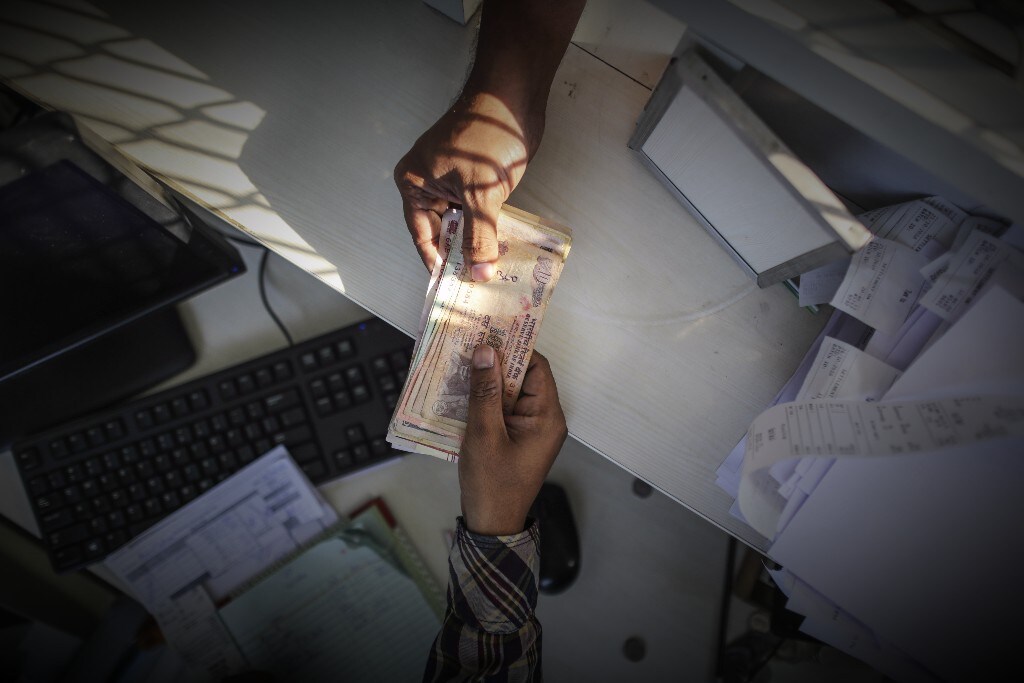
The taskforce set up to review direct tax laws suggested that taxpayers should be allowed to reveal undisclosed income for the last six years, according to a person aware of the development.
The panel suggested that a voluntary disclosure shouldn't invite penalty but a taxpayer would be required to pay some amount as additional tax, the official said on the condition of anonymity as the report is not public yet. This can be done for six years as against one year now, he said.
The tax department will not put such a taxpayer under scrutiny and also won't reopen books of previous years, according to the official. That will, however, only apply for voluntary disclosures, and not for cases detected by tax department, he said.
In cases where the income tax department finds concealed income, the current provisions of penalty and prosecution will continue.
According to prevailing rules, a past return can be revised only up to the end of an assessment year. For instance, a return for financial year ended March 31, 2019 can be revised up to March 31, 2020, explained Sunil Agarwal, partner at AZB & Partners. Fear of penalty and criminal prosecution deters taxpayers from revising older returns, Agarwal said.
The official quoted earlier said the proposed move will help businesses reveal undisclosed income and show more income in their books.
This is an opportunity to disclose black money and bring it into the business cycle, Neha Malhotra, executive director at Nangia Advisors (Andserson Global), told BloombergQuint. It will help businesses show better growth, and come clean without the threat of getting caught, she said, adding that the move can widen the base of the formal economy. But she cautioned that businesses disclosing a higher income in an earlier year run the risk of scrutiny if the amount falls in subsequent years.

-
One El Nino, India Can Handle. Two Could Break The Granary

India's grain stocks can absorb one bad year, but a second El Nino could drain the buffer in two to three years, economists say.
-
India's Troika Of Good Luck | Joining The Dots
As Jensen Huang's exit drags Nvidia down, a cooling AI trade and resilient earnings have revived investor interest in India. A likely RBI rate hike looms.
-
Talking Points This Week: Leadership Shock At Nvidia, Earnings Strength, And The Fog Over Hormuz
The Anthropic IPO pricing and first trading day, Nvidia's upcoming earnings, and any fresh signals from Iran will set the tone for the following week.
-
Signature Play: The Classic Cocktail Is Dead. Or Is It?
Classic cocktails are disappearing from India's cocktail menus. But they're still being ordered, taught to bartenders and borrowed from. So, who's really having the last drink?
-
A New Samvat Wishlist: Inclusive Prosperity And Human Development
India has strengthened its economic foundations through infrastructure, digital access and enterprise. Its next growth chapter must deepen productivity, create better livelihoods and widen participation in prosperity.
-
Love, Sex Aur Dhokha: The Audacious Plot To Spy On Jensen Huang
A Taipei dinner, a Singapore chip buyer and a suspected Chinese asset: inside the alleged spy operation that got close to NVIDIA's Jensen Huang.
-
Ten Things I Learnt This Samvat
Patience can be a trap. Cheap stocks can stay cheap. Leverage can wipe you out. What did Samvat 2082 teach us? Niraj Shah writes on 10 lessons from the year gone by.
-
Talking Points This Week: Tech Nerves, FII Buying, And A Faraway Banking Shock
The global markets are not shining this Diwali. The exception in the large markets is, India.
-
Midterm Rally Lasted A Day. The Hard Reality Of A Divided US May Last Two Years | Opinion
Between a contested AI boom, a debt ceiling that arrives in 2027 and a president with every incentive to act alone, the next two years may prove more volatile than the first day's rally suggests.
-
Blue Wave Will Derail the AI Trade but Won't Dismantle the AI Era | Unhedged Position
The Democrats' sweep of the US Congress will see politics collide with economic forces both over the long and short term.









