Air India Sold To Tatas For Rs 18,000 Crore
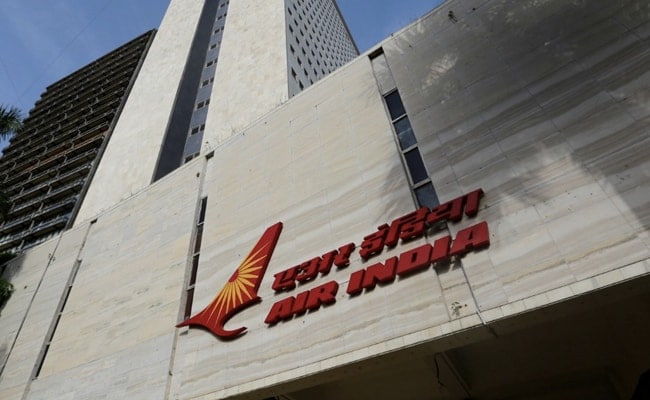
New Delhi: Tata Sons Pvt. was selected as the winning bidder for India's flag carrier, ending decades of attempts to privatize a money-losing and debt-laden airline, and potentially ending years of taxpayer-bailouts that's kept the company alive.
Tata Sons, which originally launched Air India Ltd. with a namesake branding in 1932, bid Rs 18,000 crore ($2.4 billion) as an enterprise value for Air India, Tuhin Kanta Pandey, the top bureaucrat at India's Department of Investment and Public Asset Management, said at a briefing on Friday. The government aims to complete the transaction by the end of 2021.
The high-profile sale is a boost for Prime Minister Narendra Modi, who has embarked on a bold privatization plan to plug a widening budget deficit, validating his stand of the state staying away from most businesses. For Tata Sons, Air India adds a third airline brand to its stable, and gives it access to more than a hundred planes, thousands of trained pilots and crew, and lucrative landing and parking slots all around the world.
Bloomberg News reported last week that a panel of ministers accepted a proposal from bureaucrats, who recommended the conglomerate's bid ahead of an offer from entrepreneur Ajay Singh. The consortium led by Singh, who's also the chairman of budget carrier SpiceJet Ltd, bid Rs 15,100 crore, Pandey said.
Key Numbers:
* The Tata Group will retain Rs 15,300 crore of Air India's debt and pay Rs 2,700 crore cash to the government, Pandey said.
* The cash-strapped carrier had total debt of Rs 61,560 crore as of August 31, and the debt not absorbed by Tata Sons will be taken over by the government.
* The deal doesn't include Air India's non-core assets like land and buildings, and Tata Sons will have to retain all of the airline's employees for at least a year.
* Air India has a fleet of 117 wide-body and narrow body aircraft and Air India Express Ltd. has 24 narrow body aircraft, Tata Group said in a statement.
Rich History
Tata Sons, the holding company for the salt-to-software empire and owner of British luxury carmaker Jaguar Land Rover, is coming back to an asset it started almost 90 years ago. Established by legendary industrialist and philanthropist JRD Tata, who was India's first licensed pilot, the airline originally flew mail in the 1930s between Karachi in then-undivided, British-ruled India and Bombay, now known as Mumbai.
Once it turned commercial and was government-owned in the 1950s, Air India quickly became popular with those who could afford to take to the skies. Its advertisements featured Bollywood actresses and passengers were treated to champagne and porcelain ashtrays designed by surrealist painter Salvador Dali.
“Welcome back, Air India,” Ratan Tata, JRD Tata's successor and chairman emeritus of Tata Sons, said in a tweet. “While admittedly it will take considerable effort to rebuild Air India, it will hopefully provide a very strong market opportunity to the Tata Group's presence in the aviation industry.”
Also Read: Ratan Tata Tweets "Welcome Back, Air India" After Tata Sons Wins Bid
With the advent of private carriers in the 1990s, and then a rush of low-cost, no-frills airlines in the mid-2000s, Air India lost its edge in both domestic and international markets. The carrier, known for its Maharaja mascot, suddenly wasn't the only option for flying overseas and its reputation for impeccable service and hospitality began to ebb.
Gulf carriers, including Emirates Airline and Etihad Airways PJSC, also began to offer seamless, and cheaper, connections to Europe and the U.S. via their hubs in Dubai and Abu Dhabi, hurting Air India even further.
Prized Assets
For Tata Group, Air India adds a third airline brand to its stable, considering the conglomerate already holds a majority interest in AirAsia India and Vistara, a joint venture with Singapore Airlines Ltd.
Air India -- which hasn't turned a profit since its 2007 merger with Indian Airlines -- holds prized landing and parking slots at London's Heathrow airport, which may help Vistara lure business travelers with direct flights to Europe.
The purchase will be a test of the group's aviation acumen. Tata Group has faced criticism for not running its existing aviation businesses efficiently, even though they represent a tiny portion of overall revenue.
“I congratulate the Tata Group on winning the bid for Air India and wish them all the success,” runner-up Singh said in an emailed statement. “It's time for the Maharaja to reclaim its position as a leading airline of the world.”
Also Read: SpiceJet's Ajay Singh Congratulates Tatas On Winning Air India Bid

-
AI Bias In Investing Cannot Be Eliminated, But It Can Be Governed

Framing is a particularly important example as identical financial information presented in terms of gains rather than losses can lead an LLM to reach a different assessment.
-
Joining The Dots | Dark Skies, Steady Diya: Why Hope Holds This Diwali
With war, a weak rupee and foreign outflows weighing on sentiment, policymakers at the NDTV World Summit and market veterans at NDTV Profit Ignite: Diwali Edition offered the same advice: stay invested and filter out the noise.
-
The Curious Case of Equitas Small Finance Bank And A CEO Who Quit For Stock
PN Vasudevan believes persistent investor concerns over a perceived conflict of interest had become a governance overhang on Equitas Small Finance Bank's stock, even as the lender improved profitability and asset quality.
-
Talking Points This Week: AI Cash Burn, A Tiger Comeback And An India That Still Finds Its Own Path
India is not immune to higher oil or tighter global liquidity, yet its earnings base is broader, its domestic policy levers are still available.
-
Foreign Investors Own Half Of HDFC Bank and ICICI Bank. An LTCG Cut Could Matter Most Here
Foreign portfolio investors have US$115 billion parked in HDFC Bank, ICICI Bank. If the government cuts long-term capital gains tax, Jefferies says returning foreign money could land here first.
-
'Never Seen This Level Of Negativity': Sandeep Tandon Says The Next Rally May Be Closer Than You Think
Veteran investor Sandeep Tandon says foreign selling is easing, large-caps are due a comeback and mid-caps are crowded, while he turns positive on gold, power and pharma this Diwali.
-
Indians Stay With Family, Not In Hotels | The Reason Why
India still lacks enough clean, reliable and affordable hotels for budget-conscious travellers.
-
The Economic Imperative: Analysing The Material Driving Force Behind India-Canada Strategic Reset
This economic complementarity is further reinforced by deep institutional investment ties and talent mobility, which form the bedrock of the bilateral framework.
-
Medicine Pricing: Where Must Profit Stop?
India must confront excessive margins, hidden incentives and regulatory gaps that threaten the integrity of medicine.
-
Why Amazon And Flipkart Are Struggling To Beat Meesho In India's Smaller Cities
With 274 million users and lowest-cost logistics, Meesho is defending its value commerce crown against giants like Amazon and Flipkart.










