UK Says $655 Million Tata Deal Helps Workers Despite Job Cuts
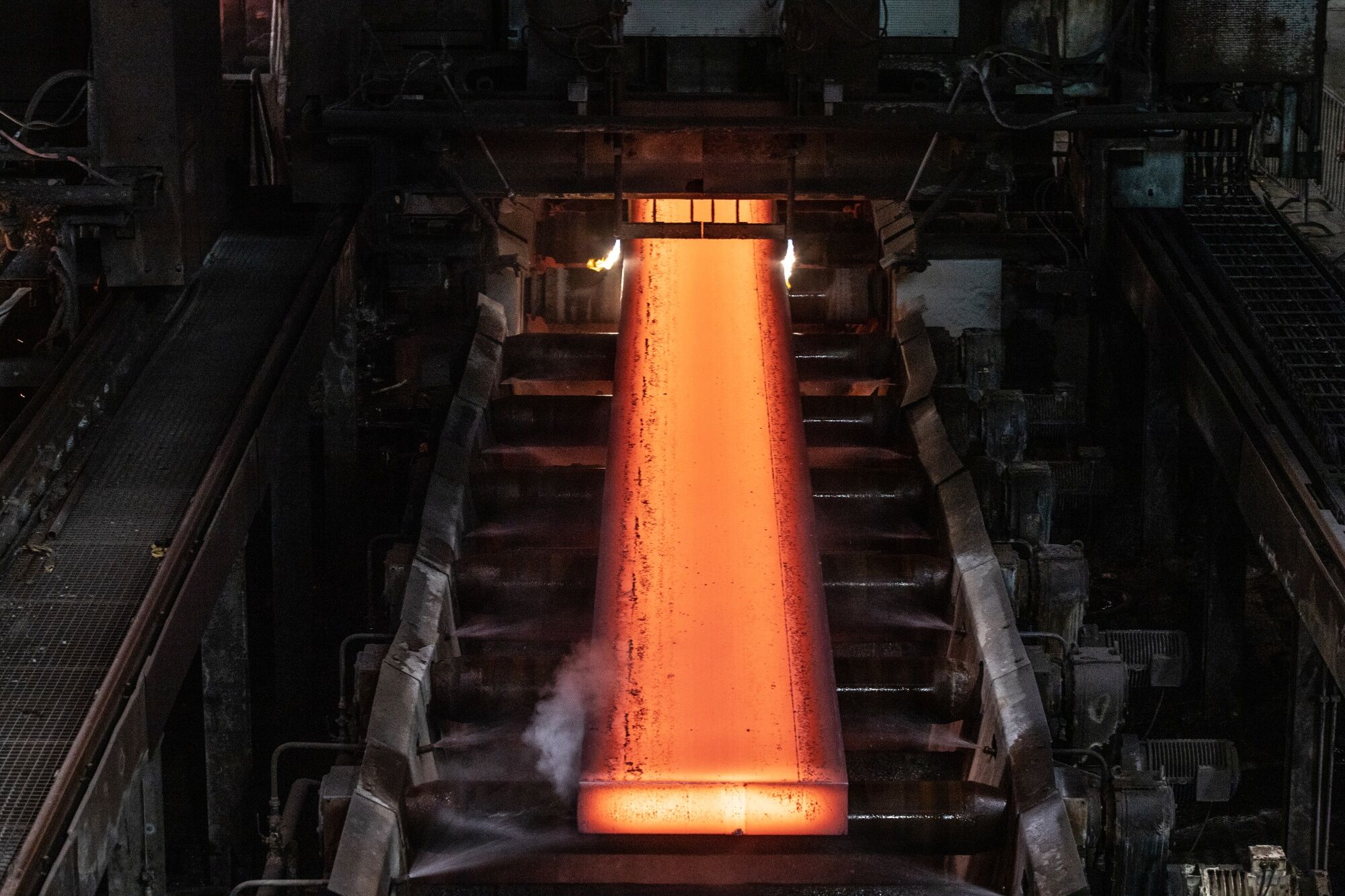
The UK government confirmed a £500 million ($655 million) support package for Tata Steel's plant in Port Talbot, one of the first major tests of Labour's promise to boost British industry.
Business Secretary Jonathan Reynolds said the deal—which was drawn up by the last Conservative government but had been subject to further negotiation by the new Labour administration—included better support for workers facing redundancy, as Tata closes its blast furnaces and invests in a new, greener, less labor-intensive electric arc furnace. But he also blamed the Tories for the situation that Labour had inherited at Port
Talbot.
“Whilst this deal is much improved, I acknowledge very much it falls short of what would be my ideal,” Reynolds said in the House of Commons on Wednesday. “We could have done more.”
Reynolds had previously said he wanted to see jobs saved at the site in Wales, with Tata warning the blast furnace closures would put 2,800 jobs at risk. Yet the deal didn't achieve the protection of those roles. Instead, the government said voluntary redundancy would be more generous than under the previous Tory deal, and there'd be more opportunities for re-
training.
India-based Tata Steel is one of Britain's biggest steelmakers. In April, the company said it would proceed with a £1.25 billion plan to build an electric arc furnace at Port Talbot and start closing existing heavy-end assets. That followed months of national-level discussions with UK trade unions that threatened industrial action over expected job losses.
Tata's British steelmaking operations have struggled for years to turn a profit. Sales in Europe have been weak amid rising cost pressures and competition from Asian imports. Yet the new Labour government has said it wants to support Britain's steel industry, and made a commitment in its manifesto to establish a £2.5 billion green steel fund.

-
One El Nino, India Can Handle. Two Could Break The Granary

India's grain stocks can absorb one bad year, but a second El Nino could drain the buffer in two to three years, economists say.
-
India's Troika Of Good Luck | Joining The Dots
As Jensen Huang's exit drags Nvidia down, a cooling AI trade and resilient earnings have revived investor interest in India. A likely RBI rate hike looms.
-
Talking Points This Week: Leadership Shock At Nvidia, Earnings Strength, And The Fog Over Hormuz
The Anthropic IPO pricing and first trading day, Nvidia's upcoming earnings, and any fresh signals from Iran will set the tone for the following week.
-
Signature Play: The Classic Cocktail Is Dead. Or Is It?
Classic cocktails are disappearing from India's cocktail menus. But they're still being ordered, taught to bartenders and borrowed from. So, who's really having the last drink?
-
A New Samvat Wishlist: Inclusive Prosperity And Human Development
India has strengthened its economic foundations through infrastructure, digital access and enterprise. Its next growth chapter must deepen productivity, create better livelihoods and widen participation in prosperity.
-
Love, Sex Aur Dhokha: The Audacious Plot To Spy On Jensen Huang
A Taipei dinner, a Singapore chip buyer and a suspected Chinese asset: inside the alleged spy operation that got close to NVIDIA's Jensen Huang.
-
Ten Things I Learnt This Samvat
Patience can be a trap. Cheap stocks can stay cheap. Leverage can wipe you out. What did Samvat 2082 teach us? Niraj Shah writes on 10 lessons from the year gone by.
-
Talking Points This Week: Tech Nerves, FII Buying, And A Faraway Banking Shock
The global markets are not shining this Diwali. The exception in the large markets is, India.
-
Midterm Rally Lasted A Day. The Hard Reality Of A Divided US May Last Two Years | Opinion
Between a contested AI boom, a debt ceiling that arrives in 2027 and a president with every incentive to act alone, the next two years may prove more volatile than the first day's rally suggests.
-
Blue Wave Will Derail the AI Trade but Won't Dismantle the AI Era | Unhedged Position
The Democrats' sweep of the US Congress will see politics collide with economic forces both over the long and short term.









