Tata Motors’ JLR Expects Chip Shortage To Worsen In Q2; Shares Fall
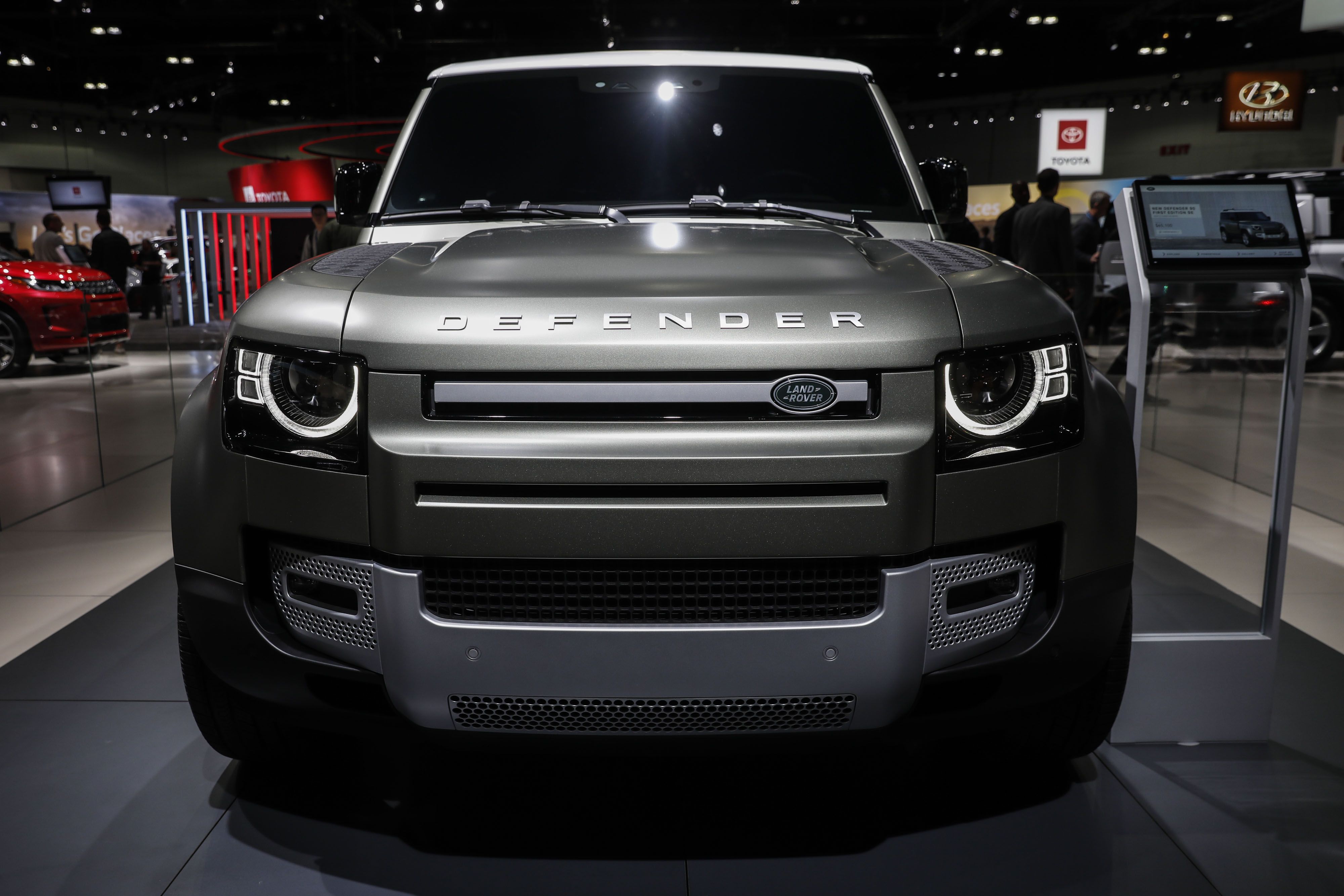
Jaguar Land Rover expects chip shortages in the quarter ending September to be greater than in the preceding three months, hurting sales, just when demand for Tata Motors Ltd.'s luxury cars started improving in key markets.
Chip shortage is very dynamic and difficult to forecast, Tata Motors said in an exchange filing. That, it said, would result in wholesale volumes about 50% lower than planned in the second quarter. “Some level of shortages will continue through to the end of the year and beyond.”
“While the present supply constraints continue, the company will prioritise production of higher margin vehicles for the chip supply available as well as make chip and product specification changes where possible to reduce the impact,” the filing said.
“We are continuing to work to mitigate this. We expect the situation will start to improve in the second half of our financial year,” it said. The broader underlying structural capacity issues, however, will only be resolved as supplier investment in new capacities comes online over the next 12-18 months.
JLR, which reported wholesales of 84,442 units in the first quarter, expects an operating cash outflow of about £1 billion with a negative EBIT margin in the second quarter. The company, however, sees a substantial improvement in underlying operating cash flow in the second half of the financial year as chip supply improves.
The shortage of chips, the brains of electronic components, began in December last year as sale of laptops and mobile phones to televisions surged with people working remotely during the pandemic. Bosch Ltd., a key supplier of chips to automakers, said it faced escalated demand from the consumer electronics industry, worsening the shortage.
Lack of semiconductors hurt Indian automakers' ability to keep up with the demand for personal mobility arising from fears of contracting the virus, derailing a recovery after an unprecedented disruption caused by the pandemic.
Automakers such as Nissan Motor Co, Hyundai Motor Co., and Volkswagen AG, too, have indicated that shrinking inventory due to chip shortages is squeezing sales this summer. Back home, sports utility vehicle maker, Mahindra & Mahindra Ltd., highlighted prolonged supply chain issues arising from lack of semiconductors.
Shares of Tata Motors fell as much as 10% to Rs 311 apiece, its biggest intraday fall since April 12.

-
India's Troika Of Good Luck | Joining The Dots

A weaker Trump, a cooling AI trade and resilient earnings have put Indian markets back in favour. Rising inflation could spoil the party.
-
Talking Points This Week: Leadership Shock At Nvidia, Earnings Strength, And The Fog Over Hormuz
The Anthropic IPO pricing and first trading day, Nvidia's upcoming earnings, and any fresh signals from Iran will set the tone for the following week.
-
Signature Play: The Classic Cocktail Is Dead. Or Is It?
Classic cocktails are disappearing from India's cocktail menus. But they're still being ordered, taught to bartenders and borrowed from. So, who's really having the last drink?
-
A New Samvat Wishlist: Inclusive Prosperity And Human Development
India has strengthened its economic foundations through infrastructure, digital access and enterprise. Its next growth chapter must deepen productivity, create better livelihoods and widen participation in prosperity.
-
Love, Sex Aur Dhokha: The Audacious Plot To Spy On Jensen Huang
A Taipei dinner, a Singapore chip buyer and a suspected Chinese asset: inside the alleged spy operation that got close to NVIDIA's Jensen Huang.
-
Ten Things I Learnt This Samvat
Patience can be a trap. Cheap stocks can stay cheap. Leverage can wipe you out. What did Samvat 2082 teach us? Niraj Shah writes on 10 lessons from the year gone by.
-
Talking Points This Week: Tech Nerves, FII Buying, And A Faraway Banking Shock
The global markets are not shining this Diwali. The exception in the large markets is, India.
-
Midterm Rally Lasted A Day. The Hard Reality Of A Divided US May Last Two Years | Opinion
Between a contested AI boom, a debt ceiling that arrives in 2027 and a president with every incentive to act alone, the next two years may prove more volatile than the first day's rally suggests.
-
Blue Wave Will Derail the AI Trade but Won't Dismantle the AI Era | Unhedged Position
The Democrats' sweep of the US Congress will see politics collide with economic forces both over the long and short term.
-
It's Time To Take The GST Council's Bet On Trust Global
Payment records can prove India's services exports, and clear, proportionate rules can bring foreign digital sellers into the tax net.









