Syndicate Bank, Bhushan Steel, Prakash Industries Shares Slump amid CBI Probe
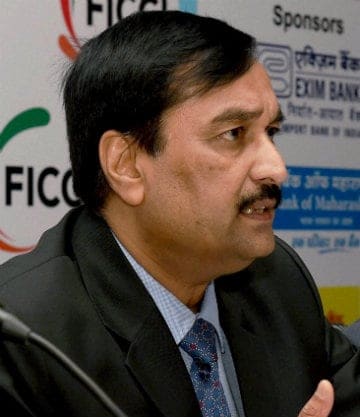
Syndicate Bank shares fell as much as 8.5 per cent to a low of Rs 132.25 on Monday after the Central Bureau of Investigation arrested the state-run lender's chairman SK Jain in an alleged bribery case.
The CBI has registered two cases against Mr Jain and 11 others including CMD and directors of two Delhi-based private firms - Bhushan Steel and Prakash Industries - under relevant sections of Prevention of Corruption Act, 1988 and criminal conspiracy.
(Read the full story here)
Bhushan Steel shares fell as much as 9.2 per cent to Rs 359.20, while Prakash Industries crashed 20 per cent to Rs 89 in early trade today. The three stocks underperformed the broader Nifty, which traded with 0.7 per cent gains.
Mr Jain was arrested by the CBI on Saturday for allegedly negotiating with Bhushan Steel for an illegal gratification of Rs. 50 lakh in return for granting credit extension to that company as it had defaulted on the payment of loan installments amounting to crores.
The CBI claims to have recovered cash to the tune of Rs. 21 lakh from Mr Jain's residence besides gold worth Rs. 1.68 crore and fixed deposits of up to Rs. 63 lakh.
The entire racket was busted after CBI monitored the activities of Mr Jain for last six months.
Deven Choksey, managing director of KR Choksey Securities told NDTV that many mid-sized PSU banks are vulnerable to such issues.
"Unfortunately, this is how PSU banks operate in the country. There are serious challenges on the management side... It makes more sense to stay with large-sized banks, where the quality of management is proven," he added.
Syndicate Bank shares closed 6.9 per cent lower at Rs 134.35, Bhushan Steel closed 3.60 per cent down at Rs 378.55 whereas Prakash Industries ended 19.96 per cent lower at Rs 89 on Monday.
(With inputs from PTI)

-
One El Nino, India Can Handle. Two Could Break The Granary

India's grain stocks can absorb one bad year, but a second El Nino could drain the buffer in two to three years, economists say.
-
India's Troika Of Good Luck | Joining The Dots
As Jensen Huang's exit drags Nvidia down, a cooling AI trade and resilient earnings have revived investor interest in India. A likely RBI rate hike looms.
-
Talking Points This Week: Leadership Shock At Nvidia, Earnings Strength, And The Fog Over Hormuz
The Anthropic IPO pricing and first trading day, Nvidia's upcoming earnings, and any fresh signals from Iran will set the tone for the following week.
-
Signature Play: The Classic Cocktail Is Dead. Or Is It?
Classic cocktails are disappearing from India's cocktail menus. But they're still being ordered, taught to bartenders and borrowed from. So, who's really having the last drink?
-
A New Samvat Wishlist: Inclusive Prosperity And Human Development
India has strengthened its economic foundations through infrastructure, digital access and enterprise. Its next growth chapter must deepen productivity, create better livelihoods and widen participation in prosperity.
-
Love, Sex Aur Dhokha: The Audacious Plot To Spy On Jensen Huang
A Taipei dinner, a Singapore chip buyer and a suspected Chinese asset: inside the alleged spy operation that got close to NVIDIA's Jensen Huang.
-
Ten Things I Learnt This Samvat
Patience can be a trap. Cheap stocks can stay cheap. Leverage can wipe you out. What did Samvat 2082 teach us? Niraj Shah writes on 10 lessons from the year gone by.
-
Talking Points This Week: Tech Nerves, FII Buying, And A Faraway Banking Shock
The global markets are not shining this Diwali. The exception in the large markets is, India.
-
Midterm Rally Lasted A Day. The Hard Reality Of A Divided US May Last Two Years | Opinion
Between a contested AI boom, a debt ceiling that arrives in 2027 and a president with every incentive to act alone, the next two years may prove more volatile than the first day's rally suggests.
-
Blue Wave Will Derail the AI Trade but Won't Dismantle the AI Era | Unhedged Position
The Democrats' sweep of the US Congress will see politics collide with economic forces both over the long and short term.









