Surplus Tax Revenue To Keep Expenditure Bill In Check In FY23, Say Economists
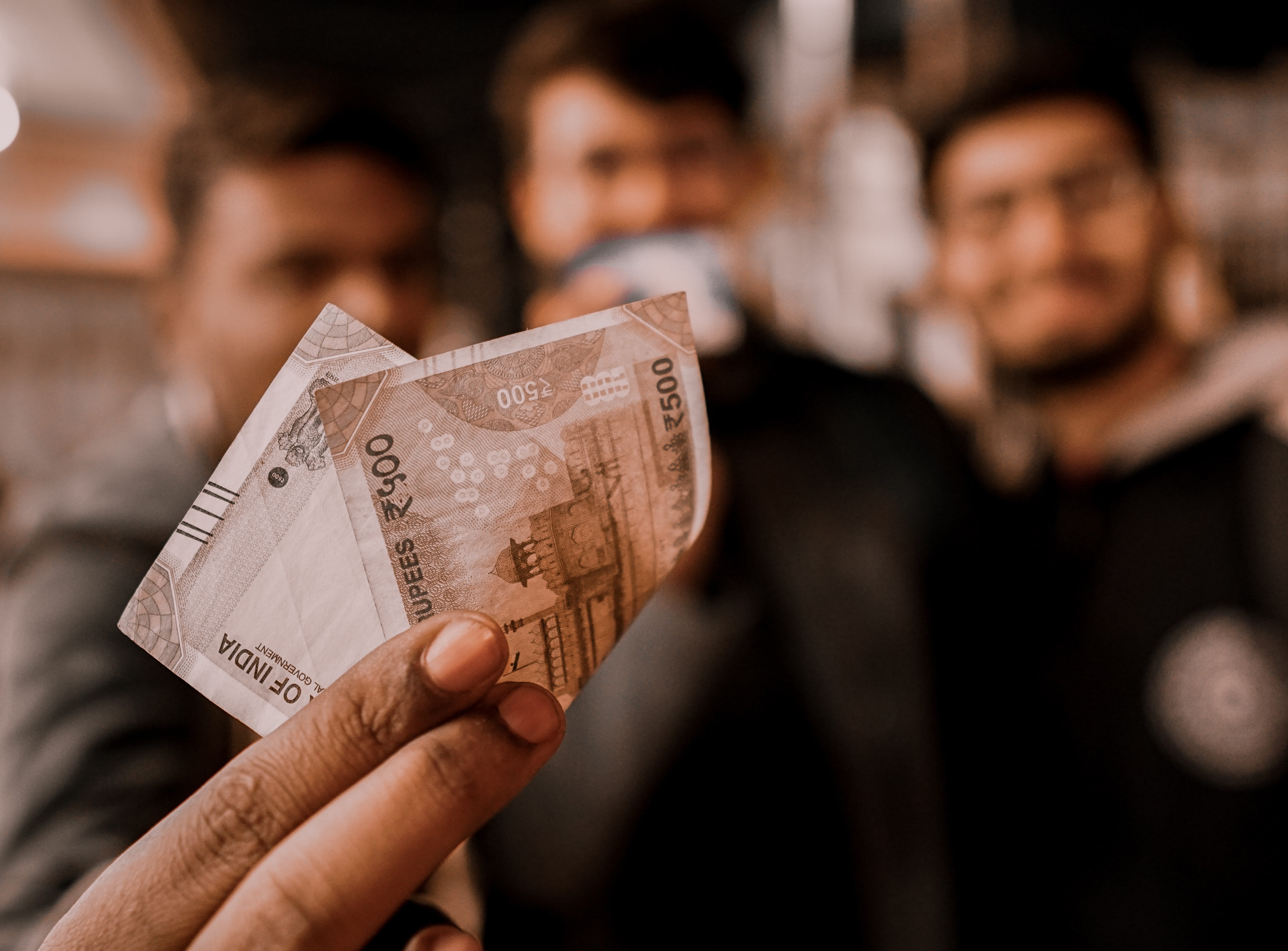
With three months to spare, the government's direct tax mop-up has touched 80% of its budget estimate at Rs 11.35 lakh crore.
The tax collection expectations have been called 'conservative' by economists ever since the budget was announced earlier this year. With the government expected to surpass the forecasts now, these 'conservative' estimates may help bridge the difference in expenses brought on by a growing subsidy bill.
Sudarshan Bhattacharjee, the chief economist at Yubi, says that the trend toward higher direct taxes is due to better tax compliance and more holiday shopping. "The average monthly income tax so far during this fiscal is about Rs 56,800 crore, which is higher than Rs 44,500 crore during the same period last year."
"Similarly, average monthly corporate tax collection during the year so far is about Rs 58,600 crore, which is higher than the monthly average of about Rs 47,300 crore seen during the last fiscal,” Bhattacharjee told BQ Prime
The Finance Minister announced the budgetary gross tax revenue for the current year at Rs 27.6 lakh crore, about 9.5% higher than the revised estimates of Rs 25.2 lakh crore in the previous fiscal.
Sakshi Gupta, principal economist of HDFC Bank Ltd., said the tax collections may well grow by 23.4% over the revised estimates.
“Higher nominal growth projections, with most estimates centred around 16 to 16.5% for 2022–23, have helped to produce much higher actual tax collection growth this year,” she told BQ Prime.
“Overall gross tax collections are projected to be higher by Rs 3.5 lakh crore compared to the budgeted figures. GST collections are estimated to account for almost half of this increase,” Gupta said.
The Road Ahead
"For Q4, looking at past trends of direct tax collections, which display strong buoyancy, alongside slowing domestic nominal growth, a moderating inflation environment, and an unfavourable statistical base, we think there could still be a considerable upside to total direct tax collections," QuantEco's Yuvika Singhal told BQ Prime.
As corporate margins stabilise in the second half of the year on the back of cooling global commodity prices, it is expected to further aid corporate taxes. "The domestic-oriented sectors are expected to do well going forward as they will not be impacted much by the global slowdown. Overall direct taxes are expected to have an additional buoyancy of Rs 2 lakh crore during FY23 over the budget estimate," Bhattacharjee noted.
Indirect taxes have been robust with GST collections over Rs 1.4 lakh crore for over nine months since March 2022. The sustained pace of GST collections is likely to add additional buoyancy despite the expected shortfall in excise duty collection. The government cut the excise duty on petrol and diesel in May by Rs 8 per litre and Rs 6 per litre, respectively.
With indirect taxes included, Bhattacharjee said the budget is likely to have a buoyancy in revenue of about Rs 2.8 lakh crore during FY23.
The Fiscal Big Picture Is 'Within Target'
With healthy collections on account of direct taxes and CGST inflows, and the exception of lower excise duty and customs duty collections, economists see a definitive breach in gross tax collections.
Adjusted for higher tax devolution and lower non-tax revenues in line with the extent of slippage stemming from dividends and profits, ICRA Ltd. expects the total receipts of the government in FY23 to exceed the budget estimates by an aggregate of Rs 1.5 lakh crore.
On the expenditure side, the government's First Supplementary Demand for Grants pegged additional net cash outgo at Rs 3.26 lakh crore, bringing up the total expenditure bill to Rs 42.7 lakh crore. The initial budget expenditure estimate for FY23 was Rs 39.4 lakh crore.
“The GoI is estimated to have saved around Rs 1 lakh crore on average since FY2018, from various expenditure heads. Assuming a similar level of expenditure savings in FY2023, we expect the overshooting in total expenditure to be Rs 2.3 lakh crore,” ICRA's Aditi Nayar said.
"To reach our estimated level for FY2023, expenditure would need to grow by a mild 3.2% year-on-year in November-March 2023," she said.
While economists expect the fiscal deficit to exceed expectations in actual terms, it is expected to meet estimates as a percentage of GDP at 6.4% with the higher nominal GDP.

-
Getting To Work Costs Women More | The Reason Why

It is not just about women paying more than men. It is about women paying much more in cities than in villages.
-
AI Bias In Investing Cannot Be Eliminated, But It Can Be Governed
Framing is a particularly important example as identical financial information presented in terms of gains rather than losses can lead an LLM to reach a different assessment.
-
Joining The Dots | Dark Skies, Steady Diya: Why Hope Holds This Diwali
With war, a weak rupee and foreign outflows weighing on sentiment, policymakers at the NDTV World Summit and market veterans at NDTV Profit Ignite: Diwali Edition offered the same advice: stay invested and filter out the noise.
-
The Curious Case of Equitas Small Finance Bank And A CEO Who Quit For Stock
PN Vasudevan believes persistent investor concerns over a perceived conflict of interest had become a governance overhang on Equitas Small Finance Bank's stock, even as the lender improved profitability and asset quality.
-
Talking Points This Week: AI Cash Burn, A Tiger Comeback And An India That Still Finds Its Own Path
India is not immune to higher oil or tighter global liquidity, yet its earnings base is broader, its domestic policy levers are still available.
-
Foreign Investors Own Half Of HDFC Bank and ICICI Bank. An LTCG Cut Could Matter Most Here
Foreign portfolio investors have US$115 billion parked in HDFC Bank, ICICI Bank. If the government cuts long-term capital gains tax, Jefferies says returning foreign money could land here first.
-
'Never Seen This Level Of Negativity': Sandeep Tandon Says The Next Rally May Be Closer Than You Think
Veteran investor Sandeep Tandon says foreign selling is easing, large-caps are due a comeback and mid-caps are crowded, while he turns positive on gold, power and pharma this Diwali.
-
Indians Stay With Family, Not In Hotels | The Reason Why
India still lacks enough clean, reliable and affordable hotels for budget-conscious travellers.
-
The Economic Imperative: Analysing The Material Driving Force Behind India-Canada Strategic Reset
This economic complementarity is further reinforced by deep institutional investment ties and talent mobility, which form the bedrock of the bilateral framework.
-
Medicine Pricing: Where Must Profit Stop?
India must confront excessive margins, hidden incentives and regulatory gaps that threaten the integrity of medicine.










