Surety Insurance: IRDAI Issues Final Guidelines; Infrastructure Sector To Benefit
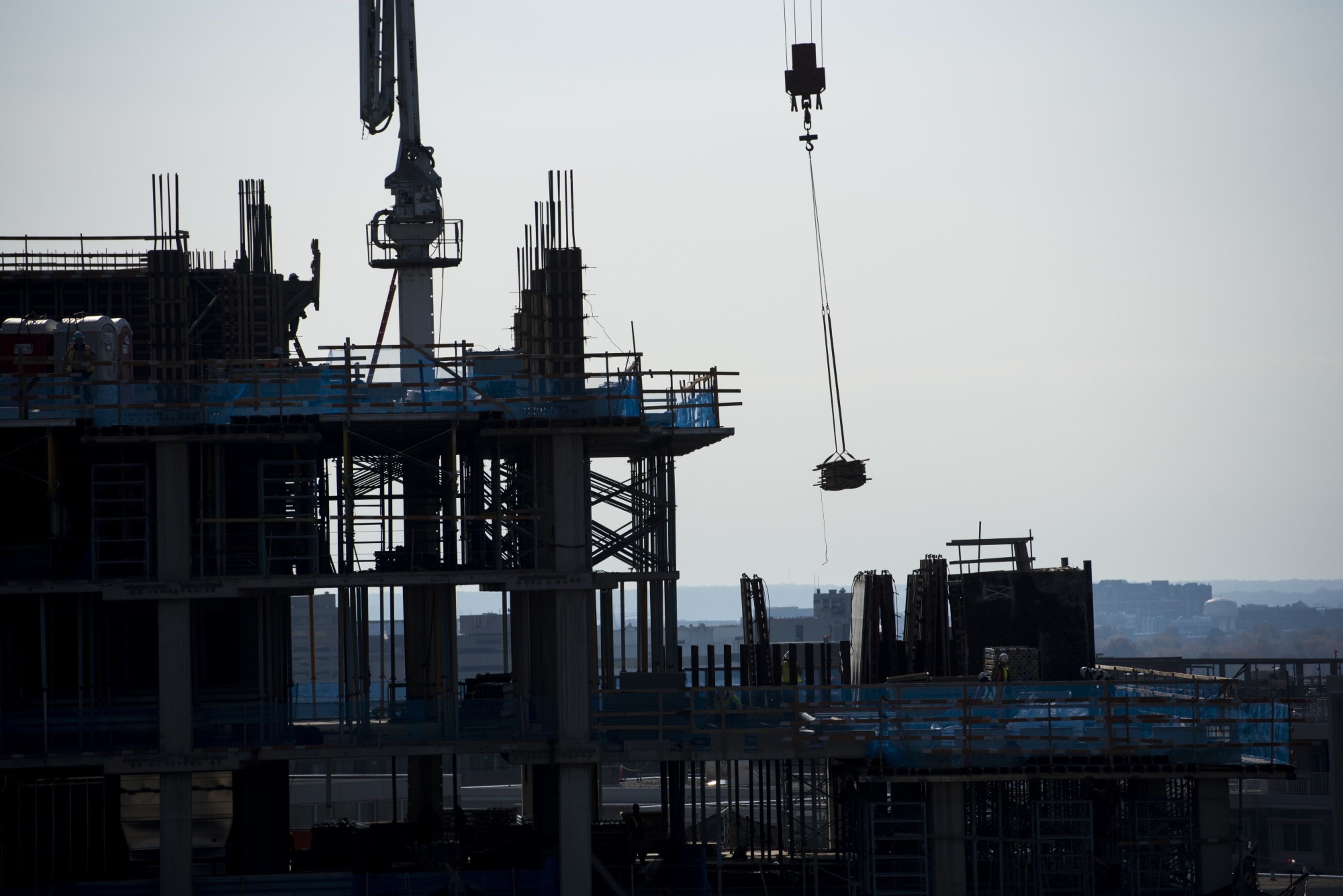
India's insurance regulator has issued the final guidelines for surety insurance, a move aimed at supporting the infrastructure sector that's prone to delays, defaults and litigation.
The IRDAI (Surety Insurance Contracts) Guidelines, 2022 released on Jan. 3 allow only general insurers to offer such cover. And the norms detail regulatory caps and solvency requirements, among other aspects, of surety insurance bonds. The guidelines are effective April 1.
Surety insurance bonds are essentially guarantees without a collateral that protect awarding authority, such as the government, from poor service, failure to complete a project, or default by the contractor. And such instruments also help construction contractors make efficient use of their working capital as well as ensure greater liquidity.
A surety insurance is a tripartite agreement between the contractor (principal debtor), the awarding authority like the government department (obligee), and the insurance company (surety) issuing the instrument.
What The Guidelines Say
According to the final guidelines, only general insurance companies registered under the Insurance Act, 1938, will be allowed to issue surety bonds.
Companies issuing such bonds to construction companies in India—involved in road, housing or commercial buildings, and other infrastructure projects of the government or the private sector—shall meet conditions including:
A solvency margin 1.25 times or higher.
Underwritten premium from the surety business, including all instalments due in subsequent years, should not exceed 10% of the total gross written premium in a fiscal, up to a maximum of Rs 500 crore.
Risk assessment mechanism/internal guidelines to evaluate technical and financial strength of the client before and after underwriting.
A limit of 30% of the contract value for the guarantee or surety.
Contracts shall be issued only to specific projects and not clubbed for multiple projects.
The guidelines bring in a new category for underwriting construction-related risks, Vikash Khandelwal, chief executive officer of surety solutions provider Eqaro Guarantees. "Allowing the surety insurers to work alongside the banks and other financial institutions to share risk-related information and technical expertise will help foster a robust ecosystem."
But unlike the draft guidelines, the final norms do not provide for a specialist surety insurer. That, he said, may limit the number of companies who are able to extend this insurance.
According to Khandelwal:
The 10% cap subject to a limit of Rs 500 crore on the quantum of surety business that an insurer can write may limit the risk diversification ability of an insurer and the reinsurer.
The guidelines are also silent on the right of recourse available to a surety insurance company in the event of a default by the contractor.
"These are critical and may impede the creation of surety-related expertise and capacities, and eventually deter insurers from writing this class of business," he said.

-
India's Troika Of Good Luck | Joining The Dots

A weaker Trump, a cooling AI trade and resilient earnings have put Indian markets back in favour. Rising inflation could spoil the party.
-
Talking Points This Week: Leadership Shock At Nvidia, Earnings Strength, And The Fog Over Hormuz
The Anthropic IPO pricing and first trading day, Nvidia's upcoming earnings, and any fresh signals from Iran will set the tone for the following week.
-
Signature Play: The Classic Cocktail Is Dead. Or Is It?
Classic cocktails are disappearing from India's cocktail menus. But they're still being ordered, taught to bartenders and borrowed from. So, who's really having the last drink?
-
A New Samvat Wishlist: Inclusive Prosperity And Human Development
India has strengthened its economic foundations through infrastructure, digital access and enterprise. Its next growth chapter must deepen productivity, create better livelihoods and widen participation in prosperity.
-
Love, Sex Aur Dhokha: The Audacious Plot To Spy On Jensen Huang
A Taipei dinner, a Singapore chip buyer and a suspected Chinese asset: inside the alleged spy operation that got close to NVIDIA's Jensen Huang.
-
Ten Things I Learnt This Samvat
Patience can be a trap. Cheap stocks can stay cheap. Leverage can wipe you out. What did Samvat 2082 teach us? Niraj Shah writes on 10 lessons from the year gone by.
-
Talking Points This Week: Tech Nerves, FII Buying, And A Faraway Banking Shock
The global markets are not shining this Diwali. The exception in the large markets is, India.
-
Midterm Rally Lasted A Day. The Hard Reality Of A Divided US May Last Two Years | Opinion
Between a contested AI boom, a debt ceiling that arrives in 2027 and a president with every incentive to act alone, the next two years may prove more volatile than the first day's rally suggests.
-
Blue Wave Will Derail the AI Trade but Won't Dismantle the AI Era | Unhedged Position
The Democrats' sweep of the US Congress will see politics collide with economic forces both over the long and short term.
-
It's Time To Take The GST Council's Bet On Trust Global
Payment records can prove India's services exports, and clear, proportionate rules can bring foreign digital sellers into the tax net.









