Sun Pharma May Be Third Time Lucky After Latest U.S. FDA Inspection
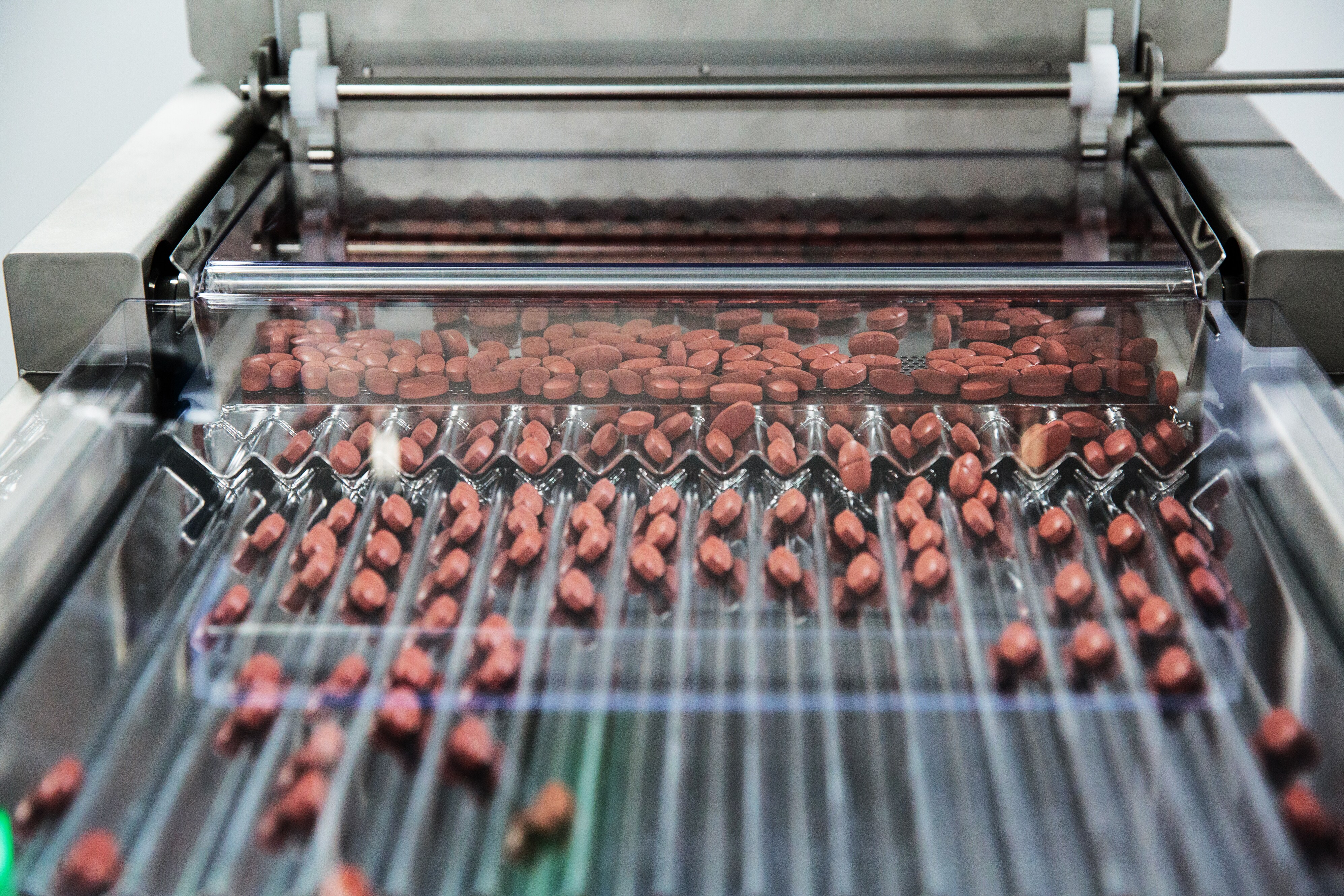
The three fresh observations Sun Pharmaceutical Industries Ltd. received from the U.S. drug regulator for its biggest facility in Halol, Gujarat are procedural and don't point to any data integrity issues, two people aware of the development told BloombergQuint requesting anonymity.
That may brighten the prospects for India's largest drugmaker as the plant, with several pending drug filings, faces restrictions on approvals in the U.S., its biggest market.
Sun Pharma declined to comment. The U.S. Food and Drug Administration, in response to emailed queries, said it will reply as soon as possible.
Inspectors from the U.S. FDA issued three observations after completing the inspection on Feb. 23. The review stems from the nine observations that the plant received in 2016. That had followed a December 2015 warning letter preventing the company from making fresh filings.
The fresh observations relate to equipment, employee training and incubation temperature, the people quoted above said. The people said the observations can be summed up as:
- Poor upkeep of equipment, especially of filling machine; rust on machines seen.
- Wrong incubation temperatures used to identify microbial growth.
- Procedural lapses including inadequate training of staff.
Shares of Sun Pharma rose as much as 1.5 percent intraday to Rs 543.5. The stock has dropped 5 percent year-to-date, and 20 percent over the last one year.
Why Halol Matters
Sun Pharma in its conference after the earnings for the quarter ended December had highlighted the continuing pricing pressures in the U.S. An all-clear for the Halol plant will help it speed up several complex generic filings and ramp up existing products in the U.S. The launch of key drugs like Xelpros for Glaucoma and Elepsia used for epilepsy, developed by Sun Pharma Advanced Research Co. Ltd., depends on the approval.

Also Read: This Consultant Thinks Sun Pharma's Halol Unit Can Be Cleared Without Re-Inspection
If the plant is not cleared, Sun Pharma would lose opportunities in the U.S. due to delayed drug approvals and its earnings growth will depend on a single product, according to a recent Morgan Stanley report.
The Halol plant's contribution to the U.S. sales declined to 11 percent from 22 percent before its regulatory troubles began, according to a CLSA report. Its share in overall sales dropped from 12 percent to 4 percent.
That's because of two reasons. The acquisition of Ranbaxy Laboratories Ltd. increased the overall base. Also, sales declined amid price erosion and competition from about $350 million to $150 million in three years through March 2017.
Also Read: FDA Woes Hit Aurobindo Pharma As Unit 4 Gets Nine Observations

-
The Economic Imperative: Analysing The Material Driving Force Behind India-Canada Strategic Reset

This economic complementarity is further reinforced by deep institutional investment ties and talent mobility, which form the bedrock of the bilateral framework.
-
Medicine Pricing: Where Must Profit Stop?
India must confront excessive margins, hidden incentives and regulatory gaps that threaten the integrity of medicine.
-
Why Amazon And Flipkart Are Struggling To Beat Meesho In India's Smaller Cities
With 274 million users and lowest-cost logistics, Meesho is defending its value commerce crown against giants like Amazon and Flipkart.
-
High US Salaries, No Green Card Certainty: The Financial Calculation Facing Indian H-1B Families
The suspension of PERM processing at eight technology employers does not cancel existing H-1B visas. What it does is force a question many Indian families have been avoiding: is the US salary worth tying your career and family plans to one employer?
-
Swiggy vs Eternal: Food Delivery's Two Rivals Are No Longer In The Same Race
Eternal is building a private AI assistant, dark.ai. Swiggy is still working out how to make Instamart pay, with an operating loss of Rs 895 crore in the July-September quarter while Blinkit stayed profitable.
-
Where You Live Shapes How You Get To Work | The Reason Why
Two-wheelers are the most popular way to get to work in India, accounting for nearly 43% of workplace commutes.
-
Unhedged Position: Can India See An Indonesia-Style Time Correction?
The Nifty is trading below levels it first clocked in 2024. Is there, then, as I have suggested in the headline, potential that the current time correction drags on painfully for the next three-five, even ten years?
-
Navigating Friction And Energy Realities: An Analysis Of Marco Rubio's October Visit To India
Occurring at a critical juncture marked by stalled trade negotiations and escalating geopolitical pressures over global energy supplies, the visit offers a profound window into modern US-India relations.
-
India Exports Capital. Why Not Export Trusteeship?
The big question, then, is whether India can build an institution that global borrowers, investors, banks, and lawyers can trust, even without an Indian connection.
-
France's Economy & Politics Are In Crisis | The Reason Why
Let's look at how the French economy and politics evolved under Nicolas Sarkozy, Franois Hollande and Emmanuel Macron.










