Sugarcane State Advisory Price To Be Hiked By 3% In Uttar Pradesh
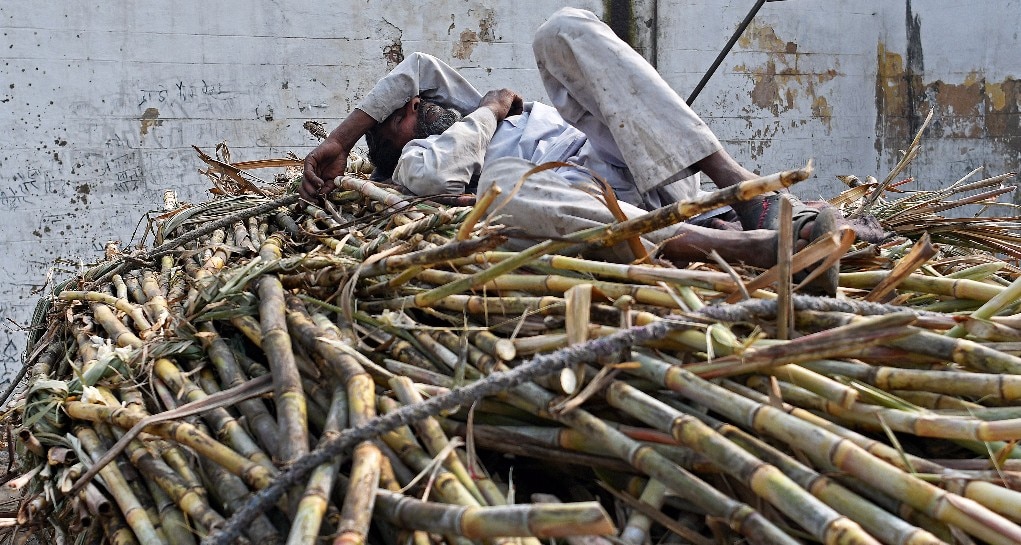
The Uttar Pradesh government has approved about 3 percent hike in state advisory price of sugarcane for 2017-18 crushing season, official sources said.
The approval was given by the state Cabinet at its meeting in Lucknow last night chaired by Chief Minister Yogi Adityanath, the sources added.
A government order declaring SAP was issued in this regard on October 26, a day before the notification of local bodies polls was to be issued, but the Cabinet nod was pending.
Sugarcane is a major cash crop in the state where over 40 lakh rural households are engaged in cane farming and the decision is significant in light of the ongoing civic poll exercise. The crop is a politically sensitive issue, especially in Western Uttar Pradesh.
The government has increased SAP by Rs 10 per quintal for different varieties of the crop. The new prices for common variety has been fixed at Rs 315 per quintal against Rs 305 per quintal last year and the price of early maturing and unsuitable cane variety is now Rs 325 and Rs 310 per quintal respectively – rates of both increased by Rs 10 per quintal. It has also been decided that sugar mills will pay farmers in a single installment.
The state government this season is targetting sugar production of almost 10 million tonnes, which would be 15 percent higher compared to the output of nearly 8.75 million tonnes clocked during 2016-17.
The Samajwadi Party, the main opposition party in the state, termed the decision of hiking SAP by Rs 10 as “unjust” and anti-farmer.
“The state government had earlier befooled farmers in the name of loan waiver and now by increasing SAP by meagre Rs 10 is injustice to them. This shows insensitiveness of the government towards cane growers,” SP MLC Rajpal Kashyap said.

-
Extracting Value From Battery Scrap Could Be Challenging For India | The Reason Why

A discarded lithium-ion battery still contains valuable materials such as lithium, nickel and cobalt. These can be recovered and reused. When such batteries are crushed and shredded, they produce a dark powder called black mass.
-
One El Nino, India Can Handle. Two Could Break The Granary
India's grain stocks can absorb one bad year, but a second El Nino could drain the buffer in two to three years, economists say.
-
India's Troika Of Good Luck | Joining The Dots
As Jensen Huang's exit drags Nvidia down, a cooling AI trade and resilient earnings have revived investor interest in India. A likely RBI rate hike looms.
-
Talking Points This Week: Leadership Shock At Nvidia, Earnings Strength, And The Fog Over Hormuz
The Anthropic IPO pricing and first trading day, Nvidia's upcoming earnings, and any fresh signals from Iran will set the tone for the following week.
-
Signature Play: The Classic Cocktail Is Dead. Or Is It?
Classic cocktails are disappearing from India's cocktail menus. But they're still being ordered, taught to bartenders and borrowed from. So, who's really having the last drink?
-
A New Samvat Wishlist: Inclusive Prosperity And Human Development
India has strengthened its economic foundations through infrastructure, digital access and enterprise. Its next growth chapter must deepen productivity, create better livelihoods and widen participation in prosperity.
-
Love, Sex Aur Dhokha: The Audacious Plot To Spy On Jensen Huang
A Taipei dinner, a Singapore chip buyer and a suspected Chinese asset: inside the alleged spy operation that got close to NVIDIA's Jensen Huang.
-
Ten Things I Learnt This Samvat
Patience can be a trap. Cheap stocks can stay cheap. Leverage can wipe you out. What did Samvat 2082 teach us? Niraj Shah writes on 10 lessons from the year gone by.
-
Talking Points This Week: Tech Nerves, FII Buying, And A Faraway Banking Shock
The global markets are not shining this Diwali. The exception in the large markets is, India.
-
Midterm Rally Lasted A Day. The Hard Reality Of A Divided US May Last Two Years | Opinion
Between a contested AI boom, a debt ceiling that arrives in 2027 and a president with every incentive to act alone, the next two years may prove more volatile than the first day's rally suggests.









