Sensex, Nifty Likely To Open Lower
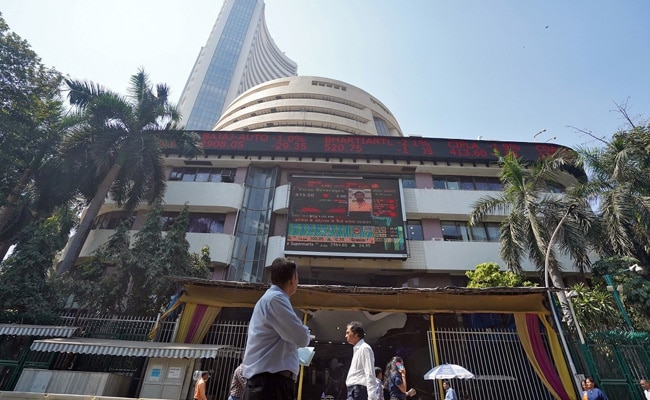
The domestic stock markets are likely to open in the red, post the 1 per cent gains in the previous trading session, going by muted cues from Asia and a shaky start in Singapore Nifty trading. Trends on SGX Nifty indicate a negative opening for the index in India, with a 43 points loss. At 7:30 am, the Nifty futures were trading at 11,844, lower by 43 points or 0.4 per cent on the Singapore Stock Exchange.
Asian markets looked set for another weaker opening on Wednesday as worries about a surge in coronavirus cases and dwindling hopes for a U.S. stimulus package kept investors gloomy.
Australia's ASX 200 opened down about 0.43 per cent, while Japan's Nikkei 225 futures were down 0.36 per cent. Hong Kong's Hang Seng index futures were up 0.4 per cent.
Stocks on Wall Street closed little changed on Tuesday, with the Dow and S&P 500 slipping on disappointing earnings and little hope for a U.S. coronavirus stimulus before Election Day, though the Nasdaq rose ahead of big technology company results.
The Dow Jones Industrial Average fell 0.8 per cent and S&P 500 lost 0.30 per cent, while Nasdaq Composite added 0.64 per cent.
Meanwhile, oil rose on Tuesday towards $41 a barrel as oil companies shut down some U.S. Gulf of Mexico oil output due to a hurricane, although surging coronavirus infections and rising Libyan supply limited gains.
Brent crude was up 52 cents, or 1.3 per cent, at $40.98 a barrel by 1028 GMT. U.S. oil gained 38 cents, or 1 per cent, to $38.94. Both contracts fell more than 3 per cent on Monday.
On the corporate earnings front, L&T, Axis Bank, Hero MotoCorp, Dr Reddy's Laboratories and Titan Company announced their Q2 numbers during the day.
On Tuesday, the BSE Sensex had ended 377 points or 0.94 per cent higher at 40,522 and NSE Nifty had advanced 122 points or 1.03 per cent to close at 11,889.

-
Extracting Value From Battery Scrap Could Be Challenging For India | The Reason Why

A discarded lithium-ion battery still contains valuable materials such as lithium, nickel and cobalt. These can be recovered and reused. When such batteries are crushed and shredded, they produce a dark powder called black mass.
-
One El Nino, India Can Handle. Two Could Break The Granary
India's grain stocks can absorb one bad year, but a second El Nino could drain the buffer in two to three years, economists say.
-
India's Troika Of Good Luck | Joining The Dots
As Jensen Huang's exit drags Nvidia down, a cooling AI trade and resilient earnings have revived investor interest in India. A likely RBI rate hike looms.
-
Talking Points This Week: Leadership Shock At Nvidia, Earnings Strength, And The Fog Over Hormuz
The Anthropic IPO pricing and first trading day, Nvidia's upcoming earnings, and any fresh signals from Iran will set the tone for the following week.
-
Signature Play: The Classic Cocktail Is Dead. Or Is It?
Classic cocktails are disappearing from India's cocktail menus. But they're still being ordered, taught to bartenders and borrowed from. So, who's really having the last drink?
-
A New Samvat Wishlist: Inclusive Prosperity And Human Development
India has strengthened its economic foundations through infrastructure, digital access and enterprise. Its next growth chapter must deepen productivity, create better livelihoods and widen participation in prosperity.
-
Love, Sex Aur Dhokha: The Audacious Plot To Spy On Jensen Huang
A Taipei dinner, a Singapore chip buyer and a suspected Chinese asset: inside the alleged spy operation that got close to NVIDIA's Jensen Huang.
-
Ten Things I Learnt This Samvat
Patience can be a trap. Cheap stocks can stay cheap. Leverage can wipe you out. What did Samvat 2082 teach us? Niraj Shah writes on 10 lessons from the year gone by.
-
Talking Points This Week: Tech Nerves, FII Buying, And A Faraway Banking Shock
The global markets are not shining this Diwali. The exception in the large markets is, India.
-
Midterm Rally Lasted A Day. The Hard Reality Of A Divided US May Last Two Years | Opinion
Between a contested AI boom, a debt ceiling that arrives in 2027 and a president with every incentive to act alone, the next two years may prove more volatile than the first day's rally suggests.









