Still Missing: Women Who Left Workforce Because Of The Pandemic Yet To Return
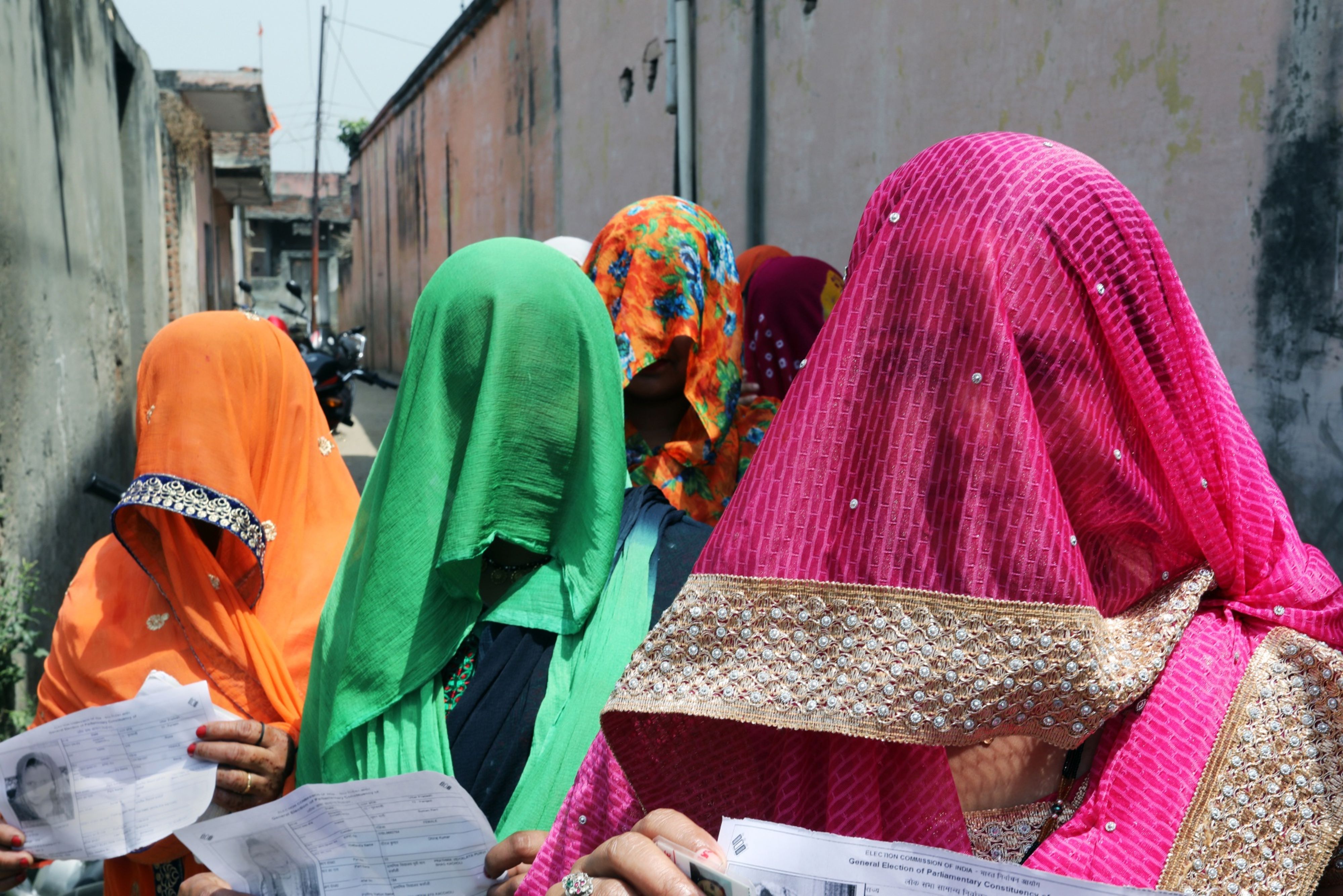
Female labour force participation, already very low in India, declined further after the onset of the Covid-19 pandemic. Two years on, it is showing no signs of recovery.
The female labour force participation rate was at 9.4% for the period between September-December 2021, according to latest data by the Centre for Monitoring Indian Economy. This is the lowest female labour force participation rate since 2016, when the data was first compiled.
Labour force participation rate is the ratio of those who are either employed or are unemployed but willing to work and actively looking for a job as a percentage of the population of more than 15 years of age.
The pandemic, globally and in India, has led to a decline in labour force participation across men and women. A return of those who left the workforce has been slow.
In the case of men, the labour force declined to 67.4% in the period between September and December 2021, compared to 71.2% between September and December 2019, according to CMIE. It has, however, improved marginally to 67% in the previous round of the survey.
India's biggest challenge on the employment front is getting its women folk into the labour force, Mahesh Vyas, managing director for CMIE wrote in a note on the company's portal dated Dec. 14, 2021. This gap between men and women in India's workforce is the potential labour available to deploy productively in economic activities, he said.
Women who lost jobs in the pandemic or who left the workforce because of the pandemic, have still not found their way back, said Shiney Chakraborty, research analyst at the Institute of Social Studies Trust. Unpaid domestic chores, the lack of social support and absence of the care economy has continued to leave women demotivated to look for work, she said.
The Rural-Urban Divide
Women in urban areas have borne a larger brunt of the pandemic when compared to those in rural areas, the data suggests.
Urban female labour participation has declined to 7.2% in the period between September and December 2021, compared to 9.5% between September and December 2019, according to data by the CMIE. Rural female labour participation, marginally higher than in urban areas, has declined to 10.5% in the period between September and December 2021, compared to 11.6% between September and December 2019.
Along with a decline in labour participation rate, unemployment among women also continues to remain high. Although the labour participation rate for women is very low compared to men, they face a much higher unemployment rate of 17% compared to 6% for men, Vyas said. "The much fewer women who seek work find it much harder to find it compared to men." This is disconcerting as it suggests a bias against employing women, he said.
According to CMIE's data, about a fourth of all unemployed and about half of those passively unemployed are women, said Chakraborty. "As such, there are currently about 80 lakh women currently looking for work."
Research by Rosa Abraham, Amit Basole and Surbhi Kesar at Azim Premji University had found that, conditional on losing work, women were eleven times more likely to not return. The research paper, published in February 2021, found that marital status, education, caste, and religion were strongly related to the likelihood of recovery in women employment.

-
Talking Points This Week: Leadership Shock At Nvidia, Earnings Strength, And The Fog Over Hormuz

The Anthropic IPO pricing and first trading day, Nvidia's upcoming earnings, and any fresh signals from Iran will set the tone for the following week.
-
Signature Play: The Classic Cocktail Is Dead. Or Is It?
Classic cocktails are disappearing from India's cocktail menus. But they're still being ordered, taught to bartenders and borrowed from. So, who's really having the last drink?
-
A New Samvat Wishlist: Inclusive Prosperity And Human Development
India has strengthened its economic foundations through infrastructure, digital access and enterprise. Its next growth chapter must deepen productivity, create better livelihoods and widen participation in prosperity.
-
Love, Sex Aur Dhokha: The Audacious Plot To Spy On Jensen Huang
A Taipei dinner, a Singapore chip buyer and a suspected Chinese asset: inside the alleged spy operation that got close to NVIDIA's Jensen Huang.
-
Ten Things I Learnt This Samvat
Patience can be a trap. Cheap stocks can stay cheap. Leverage can wipe you out. What did Samvat 2082 teach us? Niraj Shah writes on 10 lessons from the year gone by.
-
Talking Points This Week: Tech Nerves, FII Buying, And A Faraway Banking Shock
The global markets are not shining this Diwali. The exception in the large markets is, India.
-
Midterm Rally Lasted A Day. The Hard Reality Of A Divided US May Last Two Years | Opinion
Between a contested AI boom, a debt ceiling that arrives in 2027 and a president with every incentive to act alone, the next two years may prove more volatile than the first day's rally suggests.
-
Blue Wave Will Derail the AI Trade but Won't Dismantle the AI Era | Unhedged Position
The Democrats' sweep of the US Congress will see politics collide with economic forces both over the long and short term.
-
It's Time To Take The GST Council's Bet On Trust Global
Payment records can prove India's services exports, and clear, proportionate rules can bring foreign digital sellers into the tax net.
-
Opinion | India at 38: From Innovation Overperformer to Innovation Powerhouse
India now has 453 VC-backed deep science startups, 18 of them late-stage, after 117 percent growth since 2020. Laurus Labs, at USD 9.3 billion, is the most valuable deep science company in any middle-income economy outside China.









