State-Run Oil Refiners To Buy More Light Crude For Higher Petrol Output
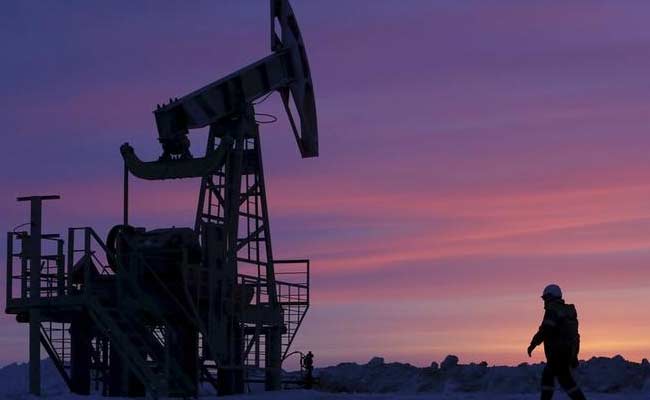
The country's refiners are gearing up to alter their crude oil import mix in favour of lighter grades that yield more petrol to meet a surge in demand for the motor fuel in Asia's third-largest economy, company officials and analysts said.
Refiners in the world's No. 3 oil importer and consumer will increase imports of petrol-yielding crudes from the United States and West Africa, while cutting heavier sour grades from the Middle East that yield more middle distillates like diesel and kerosene, they said.
The move dovetails with an earlier push to reduce India's reliance on Middle East crudes to enhance energy security.
"The gasoline demand is very, very strong, whereas diesel is lagging behind right now," said Amrita Sen, head of research at Energy Aspects.
"Refiners are shifting yields further to gasoline ... I would expect more West African, gasoline-rich crude to flow into India, less sour crude to go in there."
Indian refineries are designed to maximise diesel production mostly from Middle Eastern oil, as government-controlled prices made the middle distillate the preferred fuel for industries and trucking firms.
But a narrowing price gap between petrol and diesel, and a consumer switch to personal vehicles instead of diesel-powered public transport since the onset of the coronavirus, are helping to lift petrol consumption.

Photo Credit: Reuters
"Demand growth in gasoline is much higher compared to diesel due to changing consumer preference on personal use vehicles ... and better power supply reducing use of diesel gensets," said M.K. Surana, chairman of Hindustan Petroleum Corp.
Credit rating agency Moody's India unit ICRA expects the country's petrol consumption to rise 14 per cent to a record 31.9 million tonnes (739,000 bpd) in the fiscal year to end-March 2022, while diesel consumption is expected to take well into the fourth quarter or even next year to recover pre-pandemic levels.
Tarun Kapoor, the top bureaucrat in the oil ministry, earlier this month said the country's refining system configuration would be different going forward, focusing on higher output of petrol and liquefied petroleum gas.
Improved road infrastructure has also cut distances and travel times for heavy vehicles, reducing diesel consumption.
As well, Indian Railways, a key diesel buyer, is cutting diesel use as it rolls out a plan to electrify its entire broad-gauge network by 2023.
Refined Taste
"India's gasoline demand will continue to rise ... so our crude diet will change accordingly and move towards the lighter grades," said a Bharat Petroleum Corp Ltd official.
Crude with API gravity of more than 40 - such as U.S. West Texas Intermediate (WTI) Light, WTI Midland, Nigeria's Akpo and Kazakhstan's CPC Blend - can be used to maximise petrol output at refineries equipped with fuel-upgrading units such as a catalytic reformer, he said.
And Angolan crudes like Palanca, Kissanje and Azerbaijan's Azeri Light that produce more vacuum gasoil will suit refineries with fluid catalytic crackers, the BPCL official said.
Indian Oil Corp, the nation's largest refiner, is having similar discussions about changing up its crude mix, a company official said.
State refiners, which mostly buy lighter grades through spot tenders instead of term contracts, also plan to raise the share of spot purchases in their imports to 37 per cent in the fiscal year to end-March 2022, from 22 per cent in 2018/19, said another official at one of the state refiners.
The officials declined to be named as they are not authorised to speak to media.

Photo Credit: Reuters
"Most refiners cannot change their plant configuration or install additional blending facility overnight, so to maximise gasoline output the easiest way is to tweak the crude mix towards lighter grades," said the BPCL official.
With the refocus, West Africa's share of India's market could rise to 20 per cent in the next few months from about 10 per cent - 17 per cent currently, while Middle East's share could fall below 60 per cent from about 65 per cent, Energy Aspect's Sen said.
"It's not particularly great for the Middle East suppliers and I think West Africa should benefit," Sen said.

Photo Credit: Reuters

-
Signature Play: The Classic Cocktail Is Dead. Or Is It?

Classic cocktails are disappearing from India's cocktail menus. But they're still being ordered, taught to bartenders and borrowed from. So, who's really having the last drink?
-
A New Samvat Wishlist: Inclusive Prosperity And Human Development
India has strengthened its economic foundations through infrastructure, digital access and enterprise. Its next growth chapter must deepen productivity, create better livelihoods and widen participation in prosperity.
-
Love, Sex Aur Dhokha: The Audacious Plot To Spy On Jensen Huang
A Taipei dinner, a Singapore chip buyer and a suspected Chinese asset: inside the alleged spy operation that got close to NVIDIA's Jensen Huang.
-
Ten Things I Learnt This Samvat
Patience can be a trap. Cheap stocks can stay cheap. Leverage can wipe you out. What did Samvat 2082 teach us? Niraj Shah writes on 10 lessons from the year gone by.
-
Talking Points This Week: Tech Nerves, FII Buying, And A Faraway Banking Shock
The global markets are not shining this Diwali. The exception in the large markets is, India.
-
Midterm Rally Lasted A Day. The Hard Reality Of A Divided US May Last Two Years | Opinion
Between a contested AI boom, a debt ceiling that arrives in 2027 and a president with every incentive to act alone, the next two years may prove more volatile than the first day's rally suggests.
-
Blue Wave Will Derail the AI Trade but Won't Dismantle the AI Era | Unhedged Position
The Democrats' sweep of the US Congress will see politics collide with economic forces both over the long and short term.
-
It's Time To Take The GST Council's Bet On Trust Global
Payment records can prove India's services exports, and clear, proportionate rules can bring foreign digital sellers into the tax net.
-
Opinion | India at 38: From Innovation Overperformer to Innovation Powerhouse
India now has 453 VC-backed deep science startups, 18 of them late-stage, after 117 percent growth since 2020. Laurus Labs, at USD 9.3 billion, is the most valuable deep science company in any middle-income economy outside China.









