State-Owned Banks Worst Hit By Fraud Despite Spending More On Audits
India's government-owned banks have a problem: they spend much more money on audit checks compared to private lenders. Yet, they account for most of the banking frauds in the country, led by Bank of Maharashtra.
That's according to a new report by proxy advisory firm Institutional Investors Advisory Services. The high audit fees in public sector banks are a function of large number of branches, multiple auditors, higher number of physical audits and Reserve Bank of India prescribed rates, IiAS said in its report. "Despite paying high audit fees, the quantum of fraud in public sector banks tend to be much higher."

The median number of auditors at state banks is six, according to the report that collated data for the year ended March 2017. For their private peers, the median is one.
Another reason is the high amount of physical auditing at PSU banks. Private banks have a higher level of automation, hence, the advances are only given from the head office. These can be scrutinised without having to visit a bank branch physically. On the other hand, PSU bank have decentralised branches that give loans and require physical audits.

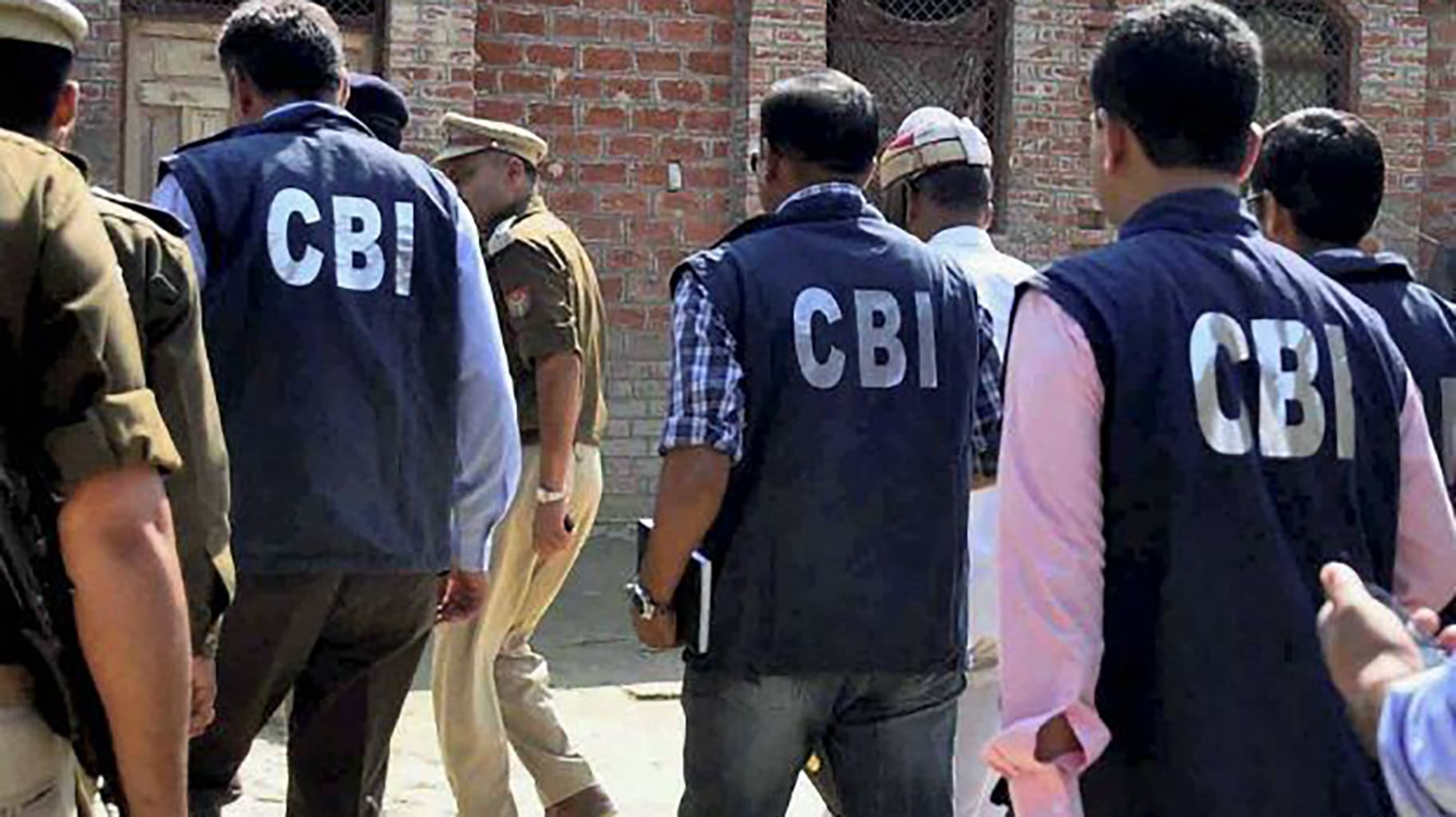
India's banking sector has been most recently hit by a near Rs 12,700 crore where firms linked to billionnaire jeweller Nirav Modi and his firms allegedly got fraudulent loan guarantees from Punjab National Bank Ltd., without the lender knowing. The Central Bureau of Investigation has filed two money laundering cases against Modi and his uncle Mehul Choksi. A global arrest warrant against the two has also been notified to the Interpol. The scam has reignited debate about the governance standards and quality checks at state-owned lenders in the country.

The Worst-Hit Banks
Despite paying higher fees, audit quality at PSU banks has failed to improve, IiAS said. The Indian Banking sector reported 12,533 frauds in financial year 2017. The largest contribution coming from Bank of Maharashtra, a state-owned bank.
Even the quantum of frauds is higher. The 12,533 frauds were worth Rs 18,170 crore. More than 75 percent of those were at government banks excluding India's largest public lender State Bank of India.

The focus now needs to shift towards strengthening the audit quality by plugging process gaps and streamlining the checks and balancesIiAS report
There are a few banks though which have stood out by controlling fraud losses, IiAS noted. These include the likes of Dhanlaxmi Bank, DCB Bank and IDFC Bank where the total amount of fraud is less than 0.01 percent of their assets.


-
The Economic Imperative: Analysing The Material Driving Force Behind India-Canada Strategic Reset

This economic complementarity is further reinforced by deep institutional investment ties and talent mobility, which form the bedrock of the bilateral framework.
-
Medicine Pricing: Where Must Profit Stop?
India must confront excessive margins, hidden incentives and regulatory gaps that threaten the integrity of medicine.
-
Why Amazon And Flipkart Are Struggling To Beat Meesho In India's Smaller Cities
With 274 million users and lowest-cost logistics, Meesho is defending its value commerce crown against giants like Amazon and Flipkart.
-
High US Salaries, No Green Card Certainty: The Financial Calculation Facing Indian H-1B Families
The suspension of PERM processing at eight technology employers does not cancel existing H-1B visas. What it does is force a question many Indian families have been avoiding: is the US salary worth tying your career and family plans to one employer?
-
Swiggy vs Eternal: Food Delivery's Two Rivals Are No Longer In The Same Race
Eternal is building a private AI assistant, dark.ai. Swiggy is still working out how to make Instamart pay, with an operating loss of Rs 895 crore in the July-September quarter while Blinkit stayed profitable.
-
Where You Live Shapes How You Get To Work | The Reason Why
Two-wheelers are the most popular way to get to work in India, accounting for nearly 43% of workplace commutes.
-
Unhedged Position: Can India See An Indonesia-Style Time Correction?
The Nifty is trading below levels it first clocked in 2024. Is there, then, as I have suggested in the headline, potential that the current time correction drags on painfully for the next three-five, even ten years?
-
Navigating Friction And Energy Realities: An Analysis Of Marco Rubio's October Visit To India
Occurring at a critical juncture marked by stalled trade negotiations and escalating geopolitical pressures over global energy supplies, the visit offers a profound window into modern US-India relations.
-
India Exports Capital. Why Not Export Trusteeship?
The big question, then, is whether India can build an institution that global borrowers, investors, banks, and lawyers can trust, even without an Indian connection.
-
France's Economy & Politics Are In Crisis | The Reason Why
Let's look at how the French economy and politics evolved under Nicolas Sarkozy, Franois Hollande and Emmanuel Macron.










