Star China Banker’s Disappearance Made His Firm a Buyout Target
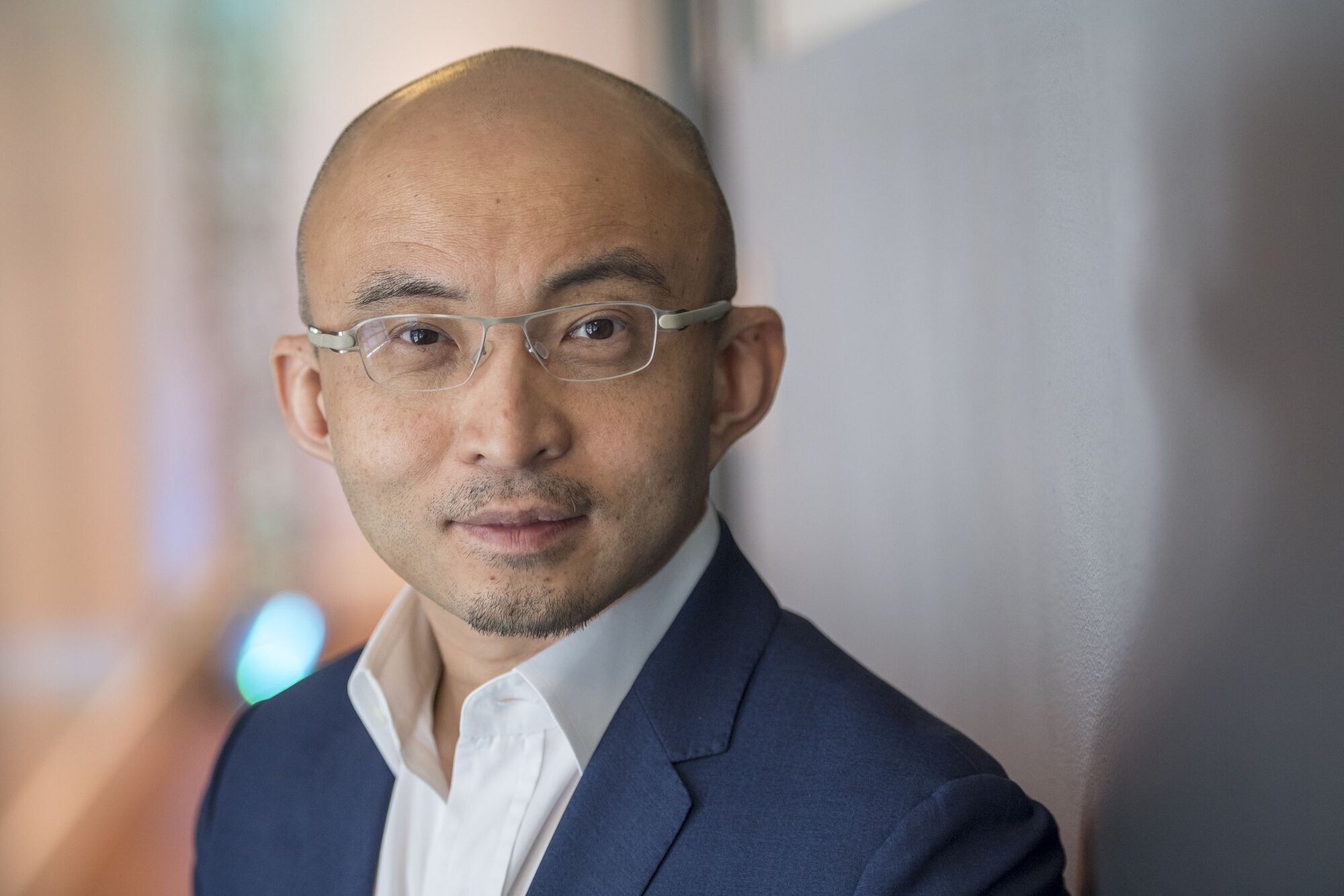
(Bloomberg) -- About a year after Bao Fan disappeared from public view, his boutique Chinese investment bank is shrinking and being circled by rivals.
Almost a third of China Renaissance Holdings Ltd.'s staff in Hong Kong, which includes investment banking, private equity and wealth management teams, have either resigned or lost their jobs, people familiar with the matter said. Li Yuan, who oversees the wealth business, is leaving the company. Including mainland China, about 100 staffers left the firm in the past year, one of the people said.
At the same time, the firm has received interest from a Hong Kong-based financial group with a Middle East backer to take over what remains, including valuable trading licenses, the people said. A couple of small Chinese brokerages have also shown interest. The discussions were preliminary and no due diligence has taken place.
Talks with prospective buyers have been difficult because Bao's detention has prevented the firm from making decisions on significant matters, the people said, asking not to be identified discussing a private matter. That hurdle may now be cleared after China Renaissance announced last week that Bao resigned as chairman and chief executive officer effective Feb. 2, citing “health reasons and to spend more time on his family affairs.” Co-founder Xie Yi Jing will assume his duties.
A company spokesperson declined to comment. China Renaissance said in August that Bao was “cooperating” in a probe. His current whereabouts and legal status are unclear.
Bao's disappearance last February shocked the business and investing community, in a further sign of Beijing tightening its grip on the financial sector through a sweeping crackdown on corruption. Bao's detention was likely related to China Renaissance's former president Cong Lin, who was taken into custody in 2022, Bloomberg News has reported.
A former banker at Morgan Stanley and Credit Suisse, Bao, 53, founded China Renaissance in 2005, making a name for himself by brokering mergers that led to the formation of ride-hailing service Didi Global Inc. and food-delivery giant Meituan. His ability to spot rising tech stars made him one of China's most influential financiers. He later branched into private equity to back startups and tech firms, managing more than $8.8 billion in assets at the end of 2020.
Half of the investment-banking group in Hong Kong departed in the past year, and the team has shrunk to less than 10 people, while the sales, trading and research team's headcount dropped one-third to about 40, from almost 60. The private equity fund has stopped deploying capital because the investment committee, once chaired by Bao, can't make decisions without him, the people said.
The Hong Kong consortium was earlier contemplating a back-door listing should the takeover progress, and it's also eyeing the securities licenses that China Renaissance holds, the person said.
China Renaissance has delayed its 2022 annual report since the detention of Bao, whose sign-off was needed. Senior management in December appointed Zhonghui Anda CPA Ltd, a Chinese audit firm, hoping to have a better chance of getting the financial statements done. Deloitte & Touche LLP last year resigned as auditor without approving the 2022 report.
The company's stock has been suspended for almost a year, last trading at a market value of HK$4.13 billion ($530 million).
President Xi Jinping has been tightening his grip over China's $61 trillion financial sector, vowing to deepen anti-corruption efforts in sectors from finance to energy, and show “no mercy” in the fight. The campaign brought down more than 100 financial officials and executives last year alone. The investment banking community has also been implicated, ensnaring bankers from brokerages including Everbright Securities Co. and Guotai Junan Securities Co.
More stories like this are available on bloomberg.com
©2024 Bloomberg L.P.

-
One El Nino, India Can Handle. Two Could Break The Granary

India's grain stocks can absorb one bad year, but a second El Nino could drain the buffer in two to three years, economists say.
-
India's Troika Of Good Luck | Joining The Dots
As Jensen Huang's exit drags Nvidia down, a cooling AI trade and resilient earnings have revived investor interest in India. A likely RBI rate hike looms.
-
Talking Points This Week: Leadership Shock At Nvidia, Earnings Strength, And The Fog Over Hormuz
The Anthropic IPO pricing and first trading day, Nvidia's upcoming earnings, and any fresh signals from Iran will set the tone for the following week.
-
Signature Play: The Classic Cocktail Is Dead. Or Is It?
Classic cocktails are disappearing from India's cocktail menus. But they're still being ordered, taught to bartenders and borrowed from. So, who's really having the last drink?
-
A New Samvat Wishlist: Inclusive Prosperity And Human Development
India has strengthened its economic foundations through infrastructure, digital access and enterprise. Its next growth chapter must deepen productivity, create better livelihoods and widen participation in prosperity.
-
Love, Sex Aur Dhokha: The Audacious Plot To Spy On Jensen Huang
A Taipei dinner, a Singapore chip buyer and a suspected Chinese asset: inside the alleged spy operation that got close to NVIDIA's Jensen Huang.
-
Ten Things I Learnt This Samvat
Patience can be a trap. Cheap stocks can stay cheap. Leverage can wipe you out. What did Samvat 2082 teach us? Niraj Shah writes on 10 lessons from the year gone by.
-
Talking Points This Week: Tech Nerves, FII Buying, And A Faraway Banking Shock
The global markets are not shining this Diwali. The exception in the large markets is, India.
-
Midterm Rally Lasted A Day. The Hard Reality Of A Divided US May Last Two Years | Opinion
Between a contested AI boom, a debt ceiling that arrives in 2027 and a president with every incentive to act alone, the next two years may prove more volatile than the first day's rally suggests.
-
Blue Wave Will Derail the AI Trade but Won't Dismantle the AI Era | Unhedged Position
The Democrats' sweep of the US Congress will see politics collide with economic forces both over the long and short term.









