SpiceJet Bucks The Trend In A Tough Quarter For Airlines
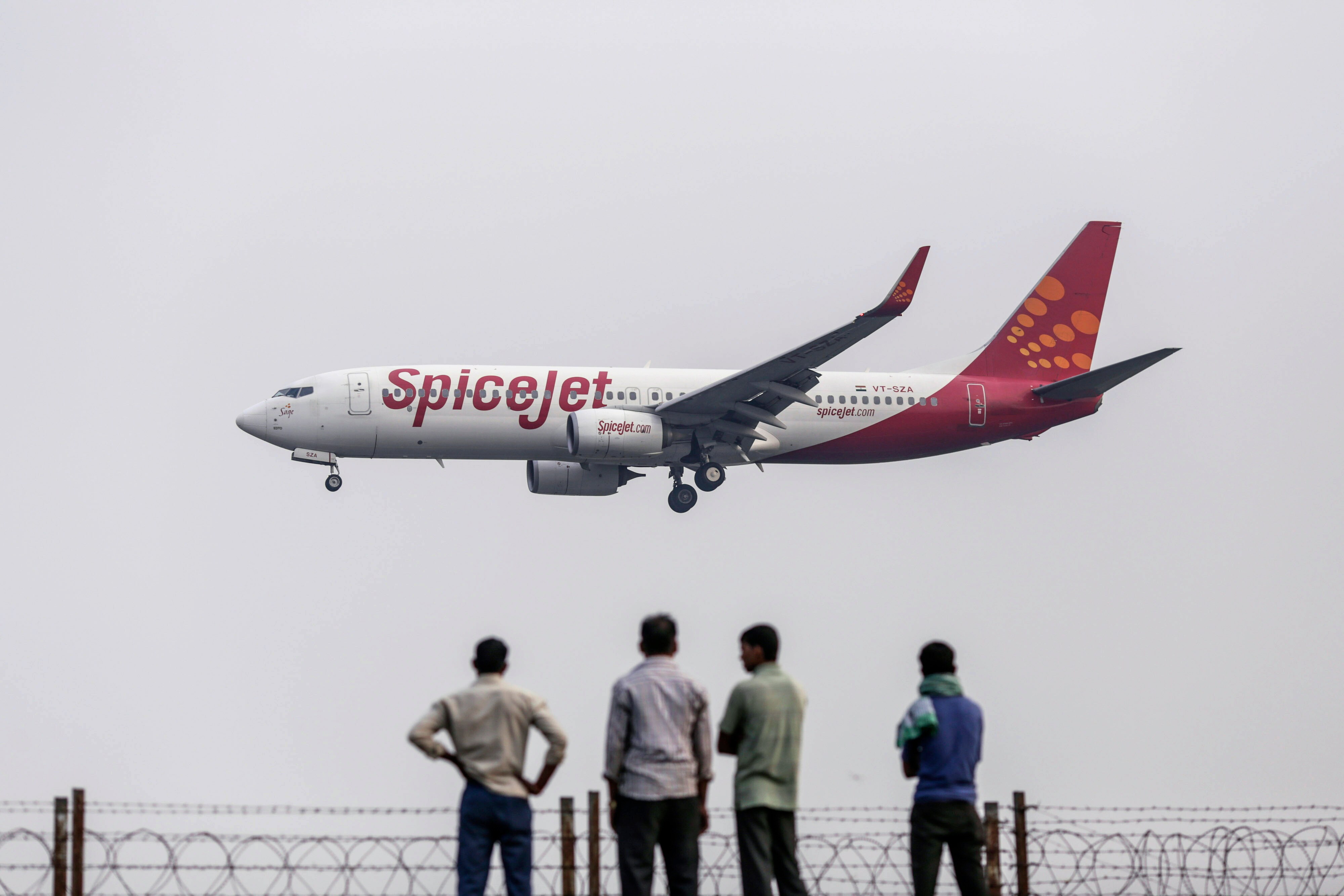
SpiceJet Ltd. reported a quarterly loss but the budget carrier surprised analysts with higher average ticket prices. That came when competition kept airfares in check despite rising fuel prices.
The budget carrier's focus is on profits, Co-Founder Ajay Singh said to BloombergQuint in a phone interview. “I believe in minimising senseless competition and focus more on profitable growth.”
Yields, or average ticket price growth, was negative for Interglobe Aviation Ltd., the operator of India's largest carrier IndiGo, in the quarter ended June because of excess capacity and stiff competition. Aviation turbine fuel prices have jumped nearly 20 percent and the rupee weakened by 10 percent this year, adding to the pain. It nearly wiped out IndiGo's profit and pulled its yields lower. Jet Airways Ltd., the third listed airline in India, too is facing financial troubles and the company's board deferred earnings.
Bucking the trend, SpiceJet's average ticket fare increased for the fifth straight quarter.
Revenue management, and identifying routes with low competition and higher revenues helped SpiceJet increase its yield, Singh, chairman and managing director of SpiceJet, said. The budget carrier also benefited from higher capacity utilisation.
Passenger load factor, or the proportion of seats an airline managed to fill, remained above 90 percent for SpiceJet for the thirty-seventh straight month. It's the highest in the industry.
About three-and-a-half years ago, SpiceJet was forced to ground its entire fleet on its inability to pay $2.2 million in fuel bills. Singh returned taking control from Kalanithi Maran and turned around the airline by injecting capital, cutting loss-making routes and aggressively adding capacity in one of the world's fastest growing aviation markets. In fact, the Rs 38-crore net loss in the quarter ended June was partly attributed to the Rs 63.5-crore provisioning related to arbitration initiated by Maran stemming from a share-transfer dispute.
Higher fuel costs and a weaker rupee were the other key factors. Fuel accounts for nearly 30-40 percent of the total costs of an airline. As most of the expenses are dollar-denominated, a weaker rupee means they need to pay more.
SpiceJet's market share fell to 12.3 percent from 13 percent last year. That's because of the focus on growing yields rather than market share, according to Singh. “Improving yields is far more essential in a high-cost pressure scenario.”
None of the analysts covering SpiceJet recommend a ‘Sell' and it has the highest ‘Buy' ratings among peers, according to data compiled by Bloomberg. Three broking firms—ICICI Securities, HSBC and HDFC Securities—suggest ‘Hold' or ‘Neutral' citing fuel and forex headwinds. Yet, they too expect the company to be profitable.

-
We May Need Another Tukaram Mundhe To Fight Air Pollution | The Reason Why

Developers may install basic measures such as sprinklers and green nets, resume work, and continue violating rules when this equipment stops working.
-
Extracting Value From Battery Scrap Could Be Challenging For India | The Reason Why
A discarded lithium-ion battery still contains valuable materials such as lithium, nickel and cobalt. These can be recovered and reused. When such batteries are crushed and shredded, they produce a dark powder called black mass.
-
One El Nino, India Can Handle. Two Could Break The Granary
India's grain stocks can absorb one bad year, but a second El Nino could drain the buffer in two to three years, economists say.
-
India's Troika Of Good Luck | Joining The Dots
As Jensen Huang's exit drags Nvidia down, a cooling AI trade and resilient earnings have revived investor interest in India. A likely RBI rate hike looms.
-
Talking Points This Week: Leadership Shock At Nvidia, Earnings Strength, And The Fog Over Hormuz
The Anthropic IPO pricing and first trading day, Nvidia's upcoming earnings, and any fresh signals from Iran will set the tone for the following week.
-
Signature Play: The Classic Cocktail Is Dead. Or Is It?
Classic cocktails are disappearing from India's cocktail menus. But they're still being ordered, taught to bartenders and borrowed from. So, who's really having the last drink?
-
A New Samvat Wishlist: Inclusive Prosperity And Human Development
India has strengthened its economic foundations through infrastructure, digital access and enterprise. Its next growth chapter must deepen productivity, create better livelihoods and widen participation in prosperity.
-
Love, Sex Aur Dhokha: The Audacious Plot To Spy On Jensen Huang
A Taipei dinner, a Singapore chip buyer and a suspected Chinese asset: inside the alleged spy operation that got close to NVIDIA's Jensen Huang.
-
Ten Things I Learnt This Samvat
Patience can be a trap. Cheap stocks can stay cheap. Leverage can wipe you out. What did Samvat 2082 teach us? Niraj Shah writes on 10 lessons from the year gone by.
-
Talking Points This Week: Tech Nerves, FII Buying, And A Faraway Banking Shock
The global markets are not shining this Diwali. The exception in the large markets is, India.









