Smaller Importers To Feel The Pinch Of India’s Biggest Bank Fraud
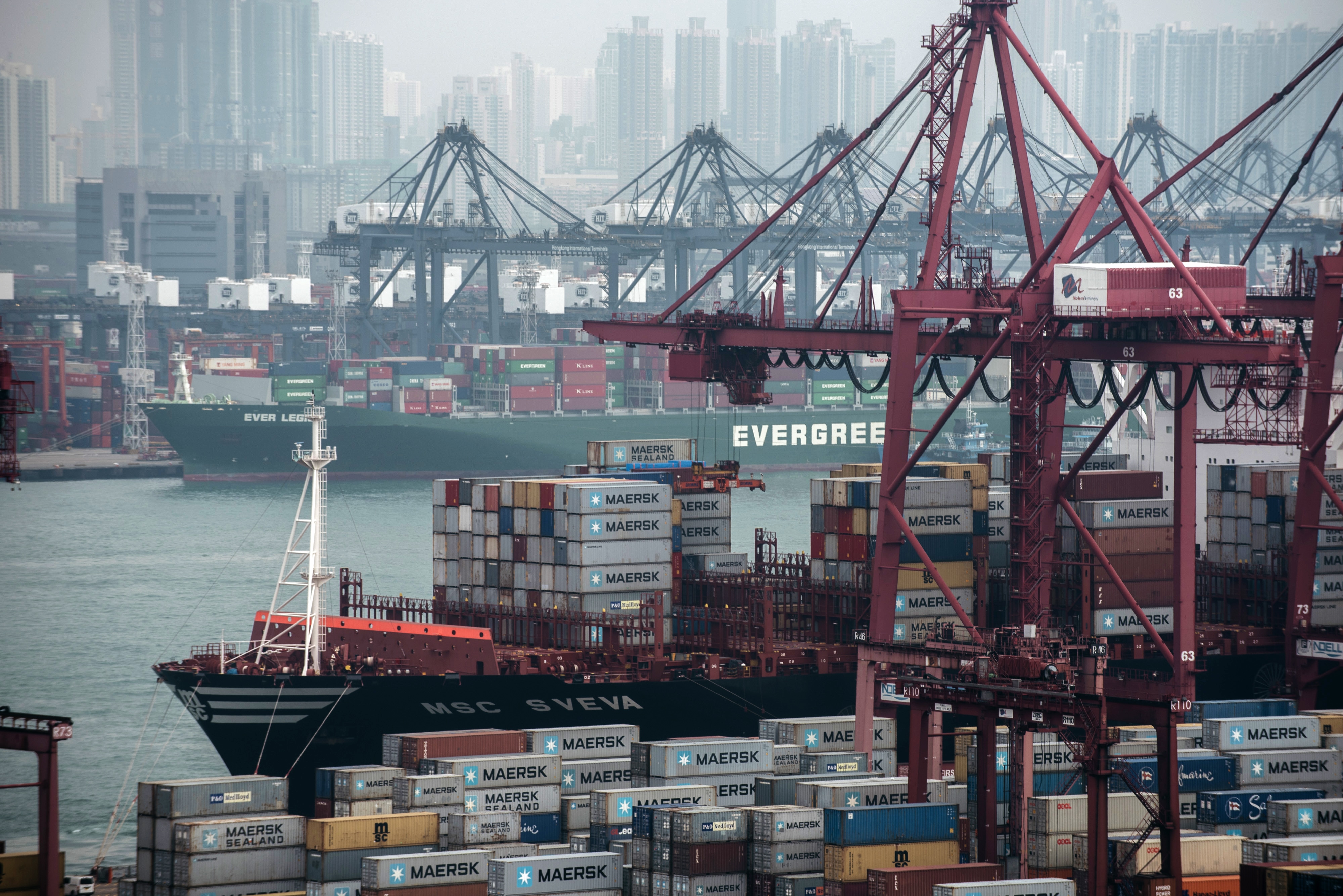
The repercussions of the Rs 13,000-crore fraud at India's second-largest public sector bank will end up hurting small and medium sized importers. That's according to India Ratings and Research.
The Reserve Bank of India's decision to ban letters of undertakings and letters of comfort — kind of guarantees — as trade finance instruments is likely to limit the overall financial flexibility of Indian importers, India Ratings said in a report. “The curb on the mobilisation of foreign currency working capital funds is likely to translate into liquidity pressure and higher funding costs for small and medium-sized corporates.”
The central bank's discontinuation of LoUs and LoCs was part of a series of moves after details of India's largest banking fraud came to light. Firms linked to jewellers Nirav Modi and Mehul Choksi had allegedly obtained fraudulent guarantees from a Mumbai branch of the Punjab National Bank Ltd., without the bank knowing. Such guarantees were largely issued by domestic branches of Indian banks to help importers avail trade credit from foreign branches of other Indian lenders.
Also Read: PNB Agrees To Honour All LoUs In Nirav Modi Case
Globally, letters of credit and bank guarantees are the norm. Indian importers relied heavily on the buyer's credit obtained using LoUs and LoCs to meet working capital requirements. It also allowed them to arbitrage the spread between the London Inter-Bank Offered Rate, the global benchmark, and the marginal cost of funds based lending rate. The spread was about 600 basis points in February when the fraud was reported.

As a result of the ban, importers are likely to report an increase in their net working capital requirements as availing trade credit gets more difficult, India Ratings said. This would also exert more pressure on cash at hand. Creditworthy importers will get alternative financing options but access to low-cost funding for smaller players will be impacted, the report said.
The non-availability of buyer's credit is likely to inhibit the business growth of importers in the near term.India Ratings and Research Report
India Ratings also expects that the ability of these importers to service their debt will come under pressure. It estimated that the median consolidated interest cover of the top 160 importers will contract 0.41 times. The estimate assumes that the working capital cycle of importers will be extended by 15 days.
Which Sector Bears The Brunt?
Importers from “relatively fragmented sectors” that are dominated by small and medium-sized firms will be substantially affected, according to India Ratings. These include the likes of electronic components, and gems and jewellery.
Also Read: PNB-Nirav Modi Fraud: Understanding The Deceptively Low Risk World Of Buyer's Credit

-
The Economic Imperative: Analysing The Material Driving Force Behind India-Canada Strategic Reset

This economic complementarity is further reinforced by deep institutional investment ties and talent mobility, which form the bedrock of the bilateral framework.
-
Medicine Pricing: Where Must Profit Stop?
India must confront excessive margins, hidden incentives and regulatory gaps that threaten the integrity of medicine.
-
Why Amazon And Flipkart Are Struggling To Beat Meesho In India's Smaller Cities
With 274 million users and lowest-cost logistics, Meesho is defending its value commerce crown against giants like Amazon and Flipkart.
-
High US Salaries, No Green Card Certainty: The Financial Calculation Facing Indian H-1B Families
The suspension of PERM processing at eight technology employers does not cancel existing H-1B visas. What it does is force a question many Indian families have been avoiding: is the US salary worth tying your career and family plans to one employer?
-
Swiggy vs Eternal: Food Delivery's Two Rivals Are No Longer In The Same Race
Eternal is building a private AI assistant, dark.ai. Swiggy is still working out how to make Instamart pay, with an operating loss of Rs 895 crore in the July-September quarter while Blinkit stayed profitable.
-
Where You Live Shapes How You Get To Work | The Reason Why
Two-wheelers are the most popular way to get to work in India, accounting for nearly 43% of workplace commutes.
-
Unhedged Position: Can India See An Indonesia-Style Time Correction?
The Nifty is trading below levels it first clocked in 2024. Is there, then, as I have suggested in the headline, potential that the current time correction drags on painfully for the next three-five, even ten years?
-
Navigating Friction And Energy Realities: An Analysis Of Marco Rubio's October Visit To India
Occurring at a critical juncture marked by stalled trade negotiations and escalating geopolitical pressures over global energy supplies, the visit offers a profound window into modern US-India relations.
-
India Exports Capital. Why Not Export Trusteeship?
The big question, then, is whether India can build an institution that global borrowers, investors, banks, and lawyers can trust, even without an Indian connection.
-
France's Economy & Politics Are In Crisis | The Reason Why
Let's look at how the French economy and politics evolved under Nicolas Sarkozy, Franois Hollande and Emmanuel Macron.










