Slash Stamp Duty To Clean Up Realty Sector: Assocham
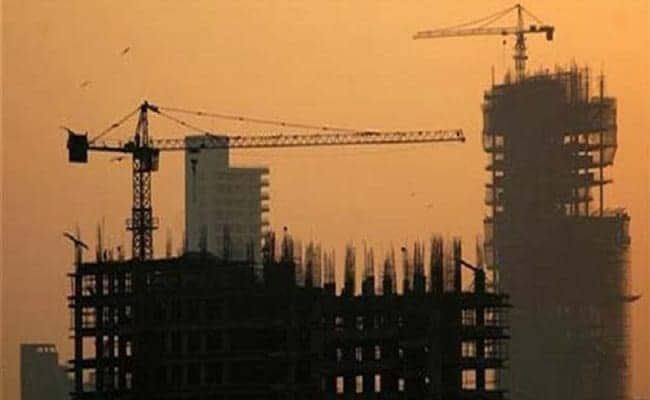
New Delhi: To further intensify the crackdown on black money, industry chamber Assocham has suggested the Centre to impress upon states to "drastically" lower stamp duty on residential and commercial property deals to dissuade people from undervaluing purchases.
The industry body said that the biggest beneficiary of the move would be buyers of residential or commercial properties.
"One of the biggest reasons for the cash forming 30-40 per cent of the real estate transactions is the high level of stamp duty. With 6-7 per cent stamp duty, purchaser of a flat worth Rs 1-1.50 crore will have to shell out different government levies and other charges like registration and lawyers' fee to the extent of Rs 10 lakh or so."
"Likewise, the registration value also determines the capital gains tax for the sellers. With both these levies accounting for significant account, there is a big incentive for the buyers and sellers to show the registration amount as much lower than the real transaction value," the chamber said.
It said there are instances where ironically, people filing their income tax returns and living a clean life are forced to withdraw cash from their legitimate bank accounts cash for such transactions.
"Thus, the system forces you to convert white into black. Nobody likes it, but the state governments must come forward and slash it by at least 50 per cent and the move would result in increase in their revenue rather than reducing it," Assocham secretary general D S Rawat said.
He also said that the lower stamp duty would revive the demand in the highly suppressed sector which would further be jolted with cash totally drying out from the transactions.
"The cleanup will take place with lower duties, ease of doing business in terms of clear land titles by the state regulatory agencies and other clearances being made transparent."
It cannot be a one-way street where the builders are expected to grease the palm of the corrupt officials and others while they are then expected to do every other transactions by cheques. Hopefully, with the new model law in place, things should improve," the chamber said.
A recent joint paper by Assocham and Thought Arbitrage found prevalence of rampant black money or 'untaxed money' in the real estate business posing a great challenge for the construction industry.
For speedy approvals and sanctions from authorities, builders or contractors are often compelled to pay large sums of money as bribe to government officials, surveyors, engineers etc. A part of the burden is passed on to the buyer who in turn has to pay in cash to the contractor, the paper noted.

-
The Curious Case of Equitas Small Finance Bank And A CEO Who Quit For Stock

PN Vasudevan believes persistent investor concerns over a perceived conflict of interest had become a governance overhang on Equitas Small Finance Bank's stock, even as the lender improved profitability and asset quality.
-
Talking Points This Week: AI Cash Burn, A Tiger Comeback And An India That Still Finds Its Own Path
India is not immune to higher oil or tighter global liquidity, yet its earnings base is broader, its domestic policy levers are still available.
-
Foreign Investors Own Half Of HDFC Bank and ICICI Bank. An LTCG Cut Could Matter Most Here
Foreign portfolio investors have US$115 billion parked in HDFC Bank, ICICI Bank. If the government cuts long-term capital gains tax, Jefferies says returning foreign money could land here first.
-
'Never Seen This Level Of Negativity': Sandeep Tandon Says The Next Rally May Be Closer Than You Think
Veteran investor Sandeep Tandon says foreign selling is easing, large-caps are due a comeback and mid-caps are crowded, while he turns positive on gold, power and pharma this Diwali.
-
Indians Stay With Family, Not In Hotels | The Reason Why
India still lacks enough clean, reliable and affordable hotels for budget-conscious travellers.
-
The Economic Imperative: Analysing The Material Driving Force Behind India-Canada Strategic Reset
This economic complementarity is further reinforced by deep institutional investment ties and talent mobility, which form the bedrock of the bilateral framework.
-
Medicine Pricing: Where Must Profit Stop?
India must confront excessive margins, hidden incentives and regulatory gaps that threaten the integrity of medicine.
-
Why Amazon And Flipkart Are Struggling To Beat Meesho In India's Smaller Cities
With 274 million users and lowest-cost logistics, Meesho is defending its value commerce crown against giants like Amazon and Flipkart.
-
High US Salaries, No Green Card Certainty: The Financial Calculation Facing Indian H-1B Families
The suspension of PERM processing at eight technology employers does not cancel existing H-1B visas. What it does is force a question many Indian families have been avoiding: is the US salary worth tying your career and family plans to one employer?
-
Swiggy vs Eternal: Food Delivery's Two Rivals Are No Longer In The Same Race
Eternal is building a private AI assistant, dark.ai. Swiggy is still working out how to make Instamart pay, with an operating loss of Rs 895 crore in the July-September quarter while Blinkit stayed profitable.










