Sensex, Nifty Surge For Second Session, But Finish Week Lower
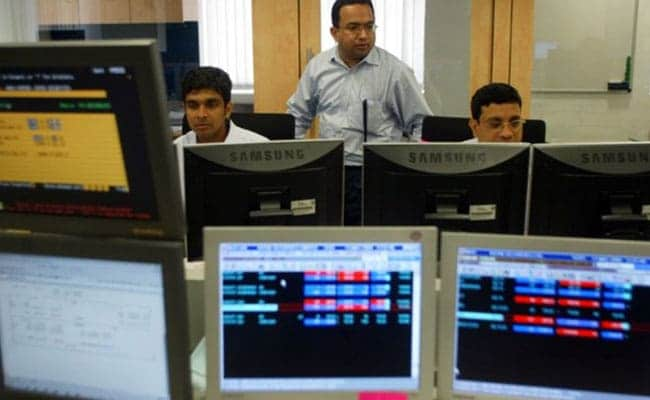
Stock markets rose for a second straight session supported by strong buying across the sectors. Gains came amid positive movement in Asian peers after concerns on the US-China trade war front eased. BSE benchmark index Sensex closed 372 points higher at 38,090, while the NSE Nifty rose 145 points to settle at 11,515. Strong advances in banking, financial services, energy, metal and pharma stocks pushed the indices higher. The rupee was set to finish a second day of gains against US dollar while crude oil prices fell, which also boosted the trading sentiment, according to analysts.
Forty five stocks on the 50-scrip Nifty index finished higher. Top gainers on the index were Indiabulls Housing Finance, Bajaj Finserv, BPCL, Hindustan Petroleum and Vedanta, ending between 5 per cent and 7 per cent higher.
Official data released on the same day showed wholesale inflation stood at a four-month low of 4.53 per cent in August. Separate data from the Ministry of Statistics released on Friday showed consumer inflation hit a 10-month low of 3.69 per cent in August.
Easing inflation supports the view that the central bank will keep the key lending rates on hold in its next policy review due in October, say analysts.
Prime Minister Narendra Modi is set to meet officials on Saturday to decide ways to address the currency's weakness and rising fuel prices, though it was unclear whether the panel or any of its members would attend.
The rupee hit a one-week high of 71.65 against the dollar during Friday's session, after hitting a slew of record lows in the last few sessions.
Shares in other Asian markets rose, with the MSCI's broadest index of Asia-Pacific shares outside Japan advancing 1.2 per cent, on track for its best performance in more than two weeks.
Despite Friday's gains, the Sensex finished the week 299 points lower, while the Nifty declined 73.9 points.
(With agency inputs)

-
Getting To Work Costs Women More | The Reason Why

It is not just about women paying more than men. It is about women paying much more in cities than in villages.
-
AI Bias In Investing Cannot Be Eliminated, But It Can Be Governed
Framing is a particularly important example as identical financial information presented in terms of gains rather than losses can lead an LLM to reach a different assessment.
-
Joining The Dots | Dark Skies, Steady Diya: Why Hope Holds This Diwali
With war, a weak rupee and foreign outflows weighing on sentiment, policymakers at the NDTV World Summit and market veterans at NDTV Profit Ignite: Diwali Edition offered the same advice: stay invested and filter out the noise.
-
The Curious Case of Equitas Small Finance Bank And A CEO Who Quit For Stock
PN Vasudevan believes persistent investor concerns over a perceived conflict of interest had become a governance overhang on Equitas Small Finance Bank's stock, even as the lender improved profitability and asset quality.
-
Talking Points This Week: AI Cash Burn, A Tiger Comeback And An India That Still Finds Its Own Path
India is not immune to higher oil or tighter global liquidity, yet its earnings base is broader, its domestic policy levers are still available.
-
Foreign Investors Own Half Of HDFC Bank and ICICI Bank. An LTCG Cut Could Matter Most Here
Foreign portfolio investors have US$115 billion parked in HDFC Bank, ICICI Bank. If the government cuts long-term capital gains tax, Jefferies says returning foreign money could land here first.
-
'Never Seen This Level Of Negativity': Sandeep Tandon Says The Next Rally May Be Closer Than You Think
Veteran investor Sandeep Tandon says foreign selling is easing, large-caps are due a comeback and mid-caps are crowded, while he turns positive on gold, power and pharma this Diwali.
-
Indians Stay With Family, Not In Hotels | The Reason Why
India still lacks enough clean, reliable and affordable hotels for budget-conscious travellers.
-
The Economic Imperative: Analysing The Material Driving Force Behind India-Canada Strategic Reset
This economic complementarity is further reinforced by deep institutional investment ties and talent mobility, which form the bedrock of the bilateral framework.
-
Medicine Pricing: Where Must Profit Stop?
India must confront excessive margins, hidden incentives and regulatory gaps that threaten the integrity of medicine.










