Sensex Closes 143 Points Lower, Nifty Settles At 11,633 As Markets Extend Losses To Fifth Day
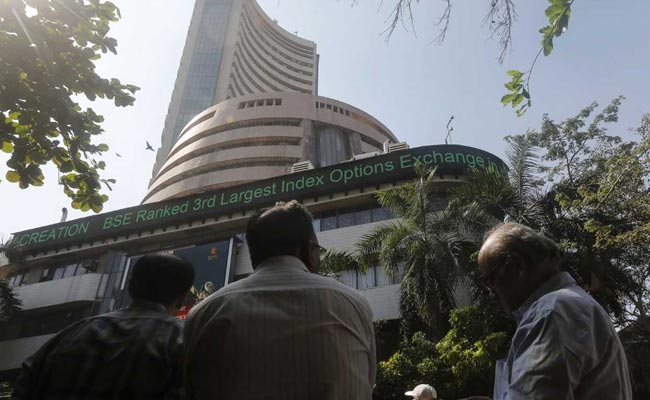
The domestic stock markets ended lower for the fifth successive session as the spiraling cases of coronavirus across continents, except Antarctica, continues to unnerve investors and spark concerns of its cascading effect on the global economy. The S&P BSE Sensex ended at 39,746, lower by 143 points or 0.3 per cent and the NSE Nifty closed at 11,633, down 45 points or 0.3 per cent on the last day of February derivatives expiry.
The BSE benchmark had fallen as much as 465.69 points to hit 39,423.27 and the broader NSE Nifty benchmark had dropped to as low as 11,536.70, down 141.8 points in morning deals to make the lowest intraday levels in the Sensex and Nifty since October 29 and October 25 respectively. The markets however recouped their losses to a large extent by the close of trade.
The broader markets also ended lower; the BSE Midcap index was at 15,072, lower by 98 points or 0.6 per cent and the BSE Smallcap index was at 14,209, down 119 points or 0.8 per cent. Weakness in metal, energy and select banking stocks pulled the markets lower.
In Asia, the Nikkei, Taiwan, Jakarta and Kospi indices extended their recent fall by another 1-2 per cent each. The SET Composite, however, jumped by more than 2 per cent post its 5-per cent fall in the previous session; and the Hang Seng and Shanghai registered gains of around half a per cent each.
The European markets also had a grim opening, with the CAC, DAX and FTSE trading with losses of around 1-2 per cent each as Italy emerged as an epicenter of the dreaded virus in the European continent.
Most new coronavirus cases are being reported outside China, the birthplace of the virus. Rising fears of a pandemic had already wiped more than $3.6 trillion from global stock markets by Wednesday's close. The virus has driven an enormous flight of assets out of Asia as investors try to isolate themselves from both the outbreak itself and the cost of what has now been more than a month of paralysis in the world's second-biggest economy.
Nifty VIX fell by 3.6 per cent to 17.5 on the derivatives expiry day, which should come as a consolation to the market participants after it spiked more than 30 per cent in the past four trading sessions.
Analysts await official macroeconomic data due by the end of the week for any signs of revival in economic growth. The government will release data on GDP or gross domestic product in the October-December period on Friday evening.
"There are signs that the coronavirus is having an impact on the Indian economy. The market has corrected already and we still expect it to remain down," said AK Prabhakar, head of research at IDBI Capital.
Finance Minister Nirmala Sitharaman said on Wednesday that the government is "closely monitoring" the impact of the coronavirus outbreak on the economy, and that options are being gauged at various levels.
In corporate news, Axis Bank appointed Puneet Sharma as chief financial officer (CFO), replacing Jairam Sridharan. The stock ended with gains of 1.1 per cent at Rs 739.
ONGC, SBI and ICICI Bank were the significant losers on the BSE, shedding 1-2 per cent each. On the other hand, Kotak Bank, Maruti Suzuki and Hindustan Unilever ended with gains of around 1 per cent each, on the BSE.
The market breadth was weak. Out of 2,589 stocks traded on the BSE, there were 849 advancing stocks as against 1,578 declines.

-
We May Need Another Tukaram Mundhe To Fight Air Pollution | The Reason Why

Developers may install basic measures such as sprinklers and green nets, resume work, and continue violating rules when this equipment stops working.
-
Extracting Value From Battery Scrap Could Be Challenging For India | The Reason Why
A discarded lithium-ion battery still contains valuable materials such as lithium, nickel and cobalt. These can be recovered and reused. When such batteries are crushed and shredded, they produce a dark powder called black mass.
-
One El Nino, India Can Handle. Two Could Break The Granary
India's grain stocks can absorb one bad year, but a second El Nino could drain the buffer in two to three years, economists say.
-
India's Troika Of Good Luck | Joining The Dots
As Jensen Huang's exit drags Nvidia down, a cooling AI trade and resilient earnings have revived investor interest in India. A likely RBI rate hike looms.
-
Talking Points This Week: Leadership Shock At Nvidia, Earnings Strength, And The Fog Over Hormuz
The Anthropic IPO pricing and first trading day, Nvidia's upcoming earnings, and any fresh signals from Iran will set the tone for the following week.
-
Signature Play: The Classic Cocktail Is Dead. Or Is It?
Classic cocktails are disappearing from India's cocktail menus. But they're still being ordered, taught to bartenders and borrowed from. So, who's really having the last drink?
-
A New Samvat Wishlist: Inclusive Prosperity And Human Development
India has strengthened its economic foundations through infrastructure, digital access and enterprise. Its next growth chapter must deepen productivity, create better livelihoods and widen participation in prosperity.
-
Love, Sex Aur Dhokha: The Audacious Plot To Spy On Jensen Huang
A Taipei dinner, a Singapore chip buyer and a suspected Chinese asset: inside the alleged spy operation that got close to NVIDIA's Jensen Huang.
-
Ten Things I Learnt This Samvat
Patience can be a trap. Cheap stocks can stay cheap. Leverage can wipe you out. What did Samvat 2082 teach us? Niraj Shah writes on 10 lessons from the year gone by.
-
Talking Points This Week: Tech Nerves, FII Buying, And A Faraway Banking Shock
The global markets are not shining this Diwali. The exception in the large markets is, India.









