Sensex Closes 143 Points Lower, Nifty Settles At 11,633 As Markets Extend Losses To Fifth Day
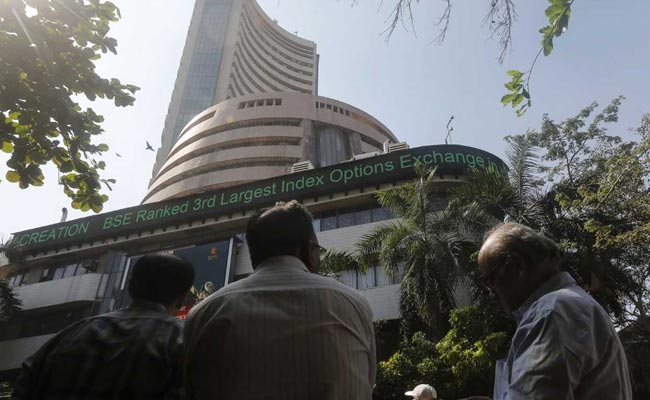
The domestic stock markets ended lower for the fifth successive session as the spiraling cases of coronavirus across continents, except Antarctica, continues to unnerve investors and spark concerns of its cascading effect on the global economy. The S&P BSE Sensex ended at 39,746, lower by 143 points or 0.3 per cent and the NSE Nifty closed at 11,633, down 45 points or 0.3 per cent on the last day of February derivatives expiry.
The BSE benchmark had fallen as much as 465.69 points to hit 39,423.27 and the broader NSE Nifty benchmark had dropped to as low as 11,536.70, down 141.8 points in morning deals to make the lowest intraday levels in the Sensex and Nifty since October 29 and October 25 respectively. The markets however recouped their losses to a large extent by the close of trade.
The broader markets also ended lower; the BSE Midcap index was at 15,072, lower by 98 points or 0.6 per cent and the BSE Smallcap index was at 14,209, down 119 points or 0.8 per cent. Weakness in metal, energy and select banking stocks pulled the markets lower.
In Asia, the Nikkei, Taiwan, Jakarta and Kospi indices extended their recent fall by another 1-2 per cent each. The SET Composite, however, jumped by more than 2 per cent post its 5-per cent fall in the previous session; and the Hang Seng and Shanghai registered gains of around half a per cent each.
The European markets also had a grim opening, with the CAC, DAX and FTSE trading with losses of around 1-2 per cent each as Italy emerged as an epicenter of the dreaded virus in the European continent.
Most new coronavirus cases are being reported outside China, the birthplace of the virus. Rising fears of a pandemic had already wiped more than $3.6 trillion from global stock markets by Wednesday's close. The virus has driven an enormous flight of assets out of Asia as investors try to isolate themselves from both the outbreak itself and the cost of what has now been more than a month of paralysis in the world's second-biggest economy.
Nifty VIX fell by 3.6 per cent to 17.5 on the derivatives expiry day, which should come as a consolation to the market participants after it spiked more than 30 per cent in the past four trading sessions.
Analysts await official macroeconomic data due by the end of the week for any signs of revival in economic growth. The government will release data on GDP or gross domestic product in the October-December period on Friday evening.
"There are signs that the coronavirus is having an impact on the Indian economy. The market has corrected already and we still expect it to remain down," said AK Prabhakar, head of research at IDBI Capital.
Finance Minister Nirmala Sitharaman said on Wednesday that the government is "closely monitoring" the impact of the coronavirus outbreak on the economy, and that options are being gauged at various levels.
In corporate news, Axis Bank appointed Puneet Sharma as chief financial officer (CFO), replacing Jairam Sridharan. The stock ended with gains of 1.1 per cent at Rs 739.
ONGC, SBI and ICICI Bank were the significant losers on the BSE, shedding 1-2 per cent each. On the other hand, Kotak Bank, Maruti Suzuki and Hindustan Unilever ended with gains of around 1 per cent each, on the BSE.
The market breadth was weak. Out of 2,589 stocks traded on the BSE, there were 849 advancing stocks as against 1,578 declines.

-
Foreign Investors Own Half Of HDFC Bank and ICICI Bank. An LTCG Cut Could Matter Most Here

Foreign portfolio investors have US$115 billion parked in HDFC Bank, ICICI Bank. If the government cuts long-term capital gains tax, Jefferies says returning foreign money could land here first.
-
'Never Seen This Level Of Negativity': Sandeep Tandon Says The Next Rally May Be Closer Than You Think
Veteran investor Sandeep Tandon says foreign selling is easing, large-caps are due a comeback and mid-caps are crowded, while he turns positive on gold, power and pharma this Diwali.
-
Indians Stay With Family, Not In Hotels | The Reason Why
India still lacks enough clean, reliable and affordable hotels for budget-conscious travellers.
-
The Economic Imperative: Analysing The Material Driving Force Behind India-Canada Strategic Reset
This economic complementarity is further reinforced by deep institutional investment ties and talent mobility, which form the bedrock of the bilateral framework.
-
Medicine Pricing: Where Must Profit Stop?
India must confront excessive margins, hidden incentives and regulatory gaps that threaten the integrity of medicine.
-
Why Amazon And Flipkart Are Struggling To Beat Meesho In India's Smaller Cities
With 274 million users and lowest-cost logistics, Meesho is defending its value commerce crown against giants like Amazon and Flipkart.
-
High US Salaries, No Green Card Certainty: The Financial Calculation Facing Indian H-1B Families
The suspension of PERM processing at eight technology employers does not cancel existing H-1B visas. What it does is force a question many Indian families have been avoiding: is the US salary worth tying your career and family plans to one employer?
-
Swiggy vs Eternal: Food Delivery's Two Rivals Are No Longer In The Same Race
Eternal is building a private AI assistant, dark.ai. Swiggy is still working out how to make Instamart pay, with an operating loss of Rs 895 crore in the July-September quarter while Blinkit stayed profitable.
-
Where You Live Shapes How You Get To Work | The Reason Why
Two-wheelers are the most popular way to get to work in India, accounting for nearly 43% of workplace commutes.
-
Unhedged Position: Can India See An Indonesia-Style Time Correction?
The Nifty is trading below levels it first clocked in 2024. Is there, then, as I have suggested in the headline, potential that the current time correction drags on painfully for the next three-five, even ten years?










