SEBI’s Silly Rule On Celebrities
I have for very long been bitterly opposed to the rule of the Securities and Exchange Board of India that mutual funds cannot use celebrities in their advertisements. In fact, I have been against it for so long that I have stopped talking about it. But on Saturday, the SEBI board approved a silly tweak to this rule, and that gives me the perfect excuse to attack the rule itself one more time.
The first point is of course that celebrities are allowed to endorse so many other things even in the world of finance – banks and insurance companies do use celebrities because they do not come under SEBI and their regulators do not share SEBI's celebrity phobia. Outside of finance, celebrities endorse all kinds of products, and even governments use them to spread awareness of issues of national importance. What makes one think that the buyers of mutual funds are of such abysmally low intelligence that celebrity endorsement would be detrimental to their interests, while bank depositors are so smart and savvy that they would not be swayed by the presence of celebrities?
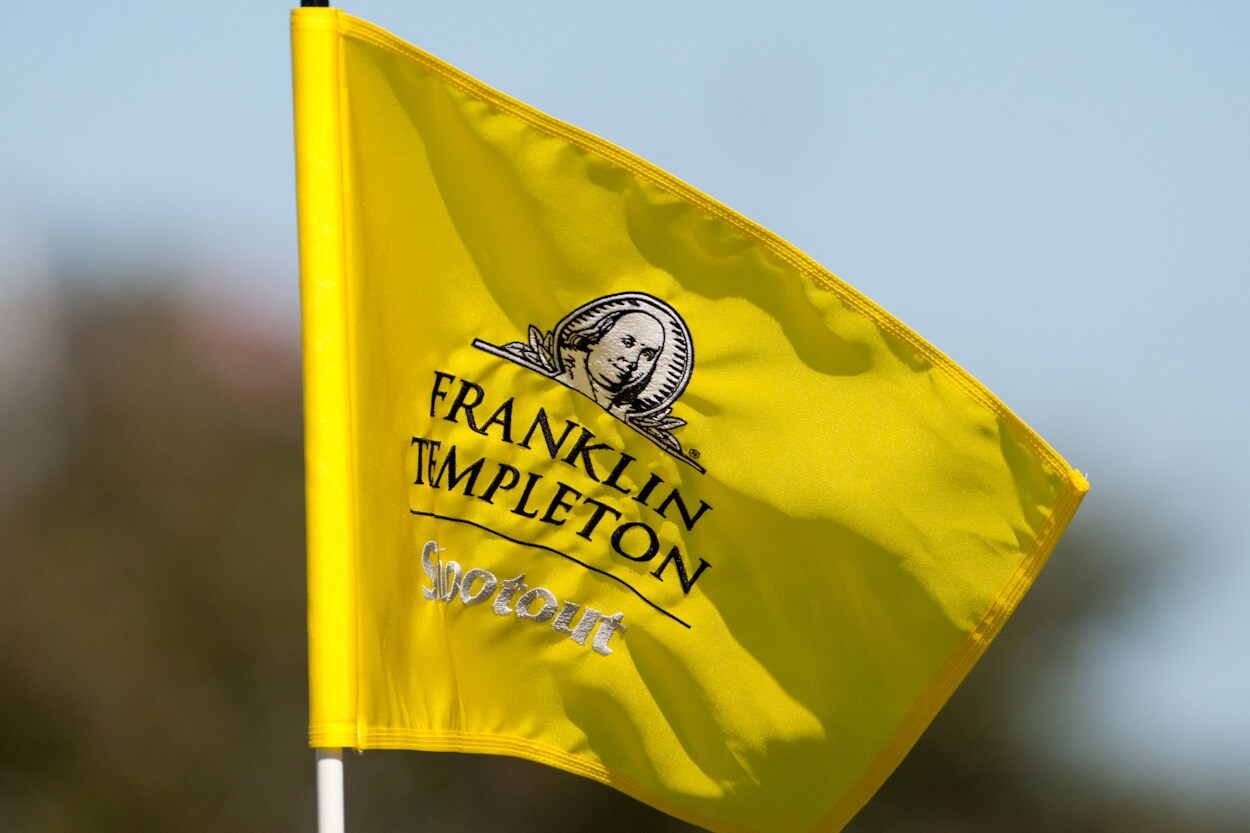
The second point is that the logo of one large mutual fund operating in India contains the image of one of the greatest celebrities that one can think of.
‘Benjamin Franklin Was A Foreign Celebrity'
The visage of Benjamin Franklin himself graces the Franklin Templeton Mutual Fund. I remember asking a senior SEBI official about this many years ago. The response that I got was that Benjamin Franklin was a foreign celebrity and most Indians would not know about him. I thought then that this response was an affront to the intelligence of the Indian mutual fund investor. Forget the fact that Benjamin Franklin was one of the founding fathers of the United States, and easily the greatest US diplomat ever (it was his diplomacy that ensured US independence by getting the support of France). Benjamin was simply one of the greatest intellectuals of his time anywhere in the world (the man who brought lightning down from the clouds). His face adorns the largest denomination US dollar note (the $100 bill, which is popularly called the Benjamin), and his book Poor Richard's Almanac and the essay The Way to Wealth are recommended readings in personal finance. This example itself serves to demonstrate how thoughtless the rule is.
Scrapping Silly Rules
I am well aware of the genesis of this whole regulation (it goes back to a celebrity gracing an IPO so long ago that everybody has forgotten about it). But regulators are supposed to have the common sense not to react to such isolated instances with sweeping general rules disproportionate to the situation at hand. Above all, any regulation needs something more than the mere whim of a regulator to justify it.
So did the SEBI board have the good sense to jettison this silly rule on Saturday? No, not at all. It merely said that:
Celebrity endorsements of Mutual Funds shall be permitted at industry level; however, not for endorsing a particular scheme of a Mutual Fund or as a branding exercise of a Mutual Fund house. Further, prior approval of SEBI shall be required for issuance of such advertisements which feature celebrities.SEBI Press Release, January 14, 2017
I do not even know where to begin about the silliness of this. Globally, we know that the mutual fund industry makes money with high cost actively managed funds rather than low cost exchange traded funds, and that the industry has launched some very toxic products (leverage inverse ETFs for example). So it is not as if the industry cannot hire a top notch celebrity to endorse the most profitable products that the industry produces today without any concern for their suitability to the average investor. As far as prior approval is concerned, this takes the regulator into an area where it should not tread for reputational considerations. Moreover, if such prior approval can solve the celebrity problem, why would that magic not work for individual funds?
Even now, it is not too late for the regulator to accept that it has had a silly rule in the rule book for too long, and that when it comes to scrapping silly rules, it is better late than never.
The author is a professor at Indian Institute of Management, Ahmedabad (IIMA). This article was first published on JR Varma's personal blog.
The views expressed here are those of the author's and do not necessarily represent the views of BloombergQuint or its editorial team.

-
Signature Play: The Classic Cocktail Is Dead. Or Is It?

Classic cocktails are disappearing from India's cocktail menus. But they're still being ordered, taught to bartenders and borrowed from. So, who's really having the last drink?
-
A New Samvat Wishlist: Inclusive Prosperity And Human Development
India has strengthened its economic foundations through infrastructure, digital access and enterprise. Its next growth chapter must deepen productivity, create better livelihoods and widen participation in prosperity.
-
Love, Sex Aur Dhokha: The Audacious Plot To Spy On Jensen Huang
A Taipei dinner, a Singapore chip buyer and a suspected Chinese asset: inside the alleged spy operation that got close to NVIDIA's Jensen Huang.
-
Ten Things I Learnt This Samvat
Patience can be a trap. Cheap stocks can stay cheap. Leverage can wipe you out. What did Samvat 2082 teach us? Niraj Shah writes on 10 lessons from the year gone by.
-
Talking Points This Week: Tech Nerves, FII Buying, And A Faraway Banking Shock
The global markets are not shining this Diwali. The exception in the large markets is, India.
-
Midterm Rally Lasted A Day. The Hard Reality Of A Divided US May Last Two Years | Opinion
Between a contested AI boom, a debt ceiling that arrives in 2027 and a president with every incentive to act alone, the next two years may prove more volatile than the first day's rally suggests.
-
Blue Wave Will Derail the AI Trade but Won't Dismantle the AI Era | Unhedged Position
The Democrats' sweep of the US Congress will see politics collide with economic forces both over the long and short term.
-
It's Time To Take The GST Council's Bet On Trust Global
Payment records can prove India's services exports, and clear, proportionate rules can bring foreign digital sellers into the tax net.
-
Opinion | India at 38: From Innovation Overperformer to Innovation Powerhouse
India now has 453 VC-backed deep science startups, 18 of them late-stage, after 117 percent growth since 2020. Laurus Labs, at USD 9.3 billion, is the most valuable deep science company in any middle-income economy outside China.









