SEBI Unveils New Borrowing Rules For Category I, II Alternative Investment Funds
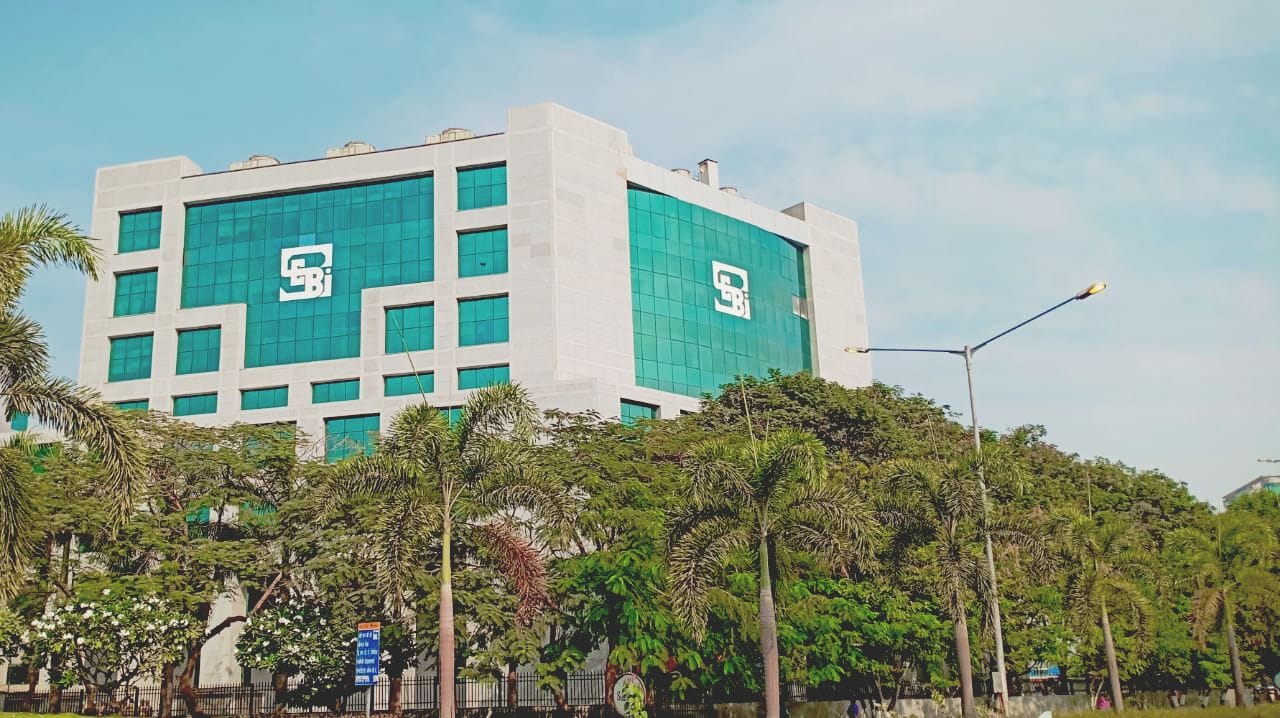
The Securities and Exchange Board of India introduced new guidelines on Monday on how category I and category II alternative investment funds can borrow money. Under the new guidelines, these funds cannot borrow money to make investments or use leverage, except for covering temporary shortfalls in their daily operations.
Category I AIFs invest in areas like startups, small and medium-sized enterprises, social ventures that aim to make a positive impact, and infrastructure projects like railways and airports. Category II AIFs include funds like private equity, which helps unlisted companies raise capital, and debt funds, which invest in the debt securities of these companies.
If an AIF needs to borrow funds because they have not received promised funds from investors in time for an investment, they can do so under specific conditions. This borrowing should be disclosed in the fund's scheme documents and only used in emergencies. according to SEBI's circular.
The borrowed amount must be within certain limits. The guidelines mention that the amount borrowed cannot exceed 20% of the proposed investment in the company, 10% of the AIF's total investable funds or the outstanding commitment from other investors, whichever is lower. The cost of borrowing must be charged to the investors who delayed their payments, not to the fund overall. Funds must also wait 30 days between borrowing periods, calculated from when the previous loan was repaid.
These new conditions also affect how long the AIFs can extend their tenure. Funds that have not specified their extension period or those exceeding the allowed five years must adjust their extension period to meet the new requirements. They need to align with these rules by Nov. 18 and update their quarterly reports accordingly. Any changes to the original tenure must be approved by all investors, and a formal undertaking must be submitted to SEBI by the deadline.
As mentioned in the circular, these guidelines are to be effective immediately.

-
Signature Play: The Classic Cocktail Is Dead. Or Is It?

Classic cocktails are disappearing from India's cocktail menus. But they're still being ordered, taught to bartenders and borrowed from. So, who's really having the last drink?
-
A New Samvat Wishlist: Inclusive Prosperity And Human Development
India has strengthened its economic foundations through infrastructure, digital access and enterprise. Its next growth chapter must deepen productivity, create better livelihoods and widen participation in prosperity.
-
Love, Sex Aur Dhokha: The Audacious Plot To Spy On Jensen Huang
A Taipei dinner, a Singapore chip buyer and a suspected Chinese asset: inside the alleged spy operation that got close to NVIDIA's Jensen Huang.
-
Ten Things I Learnt This Samvat
Patience can be a trap. Cheap stocks can stay cheap. Leverage can wipe you out. What did Samvat 2082 teach us? Niraj Shah writes on 10 lessons from the year gone by.
-
Talking Points This Week: Tech Nerves, FII Buying, And A Faraway Banking Shock
The global markets are not shining this Diwali. The exception in the large markets is, India.
-
Midterm Rally Lasted A Day. The Hard Reality Of A Divided US May Last Two Years | Opinion
Between a contested AI boom, a debt ceiling that arrives in 2027 and a president with every incentive to act alone, the next two years may prove more volatile than the first day's rally suggests.
-
Blue Wave Will Derail the AI Trade but Won't Dismantle the AI Era | Unhedged Position
The Democrats' sweep of the US Congress will see politics collide with economic forces both over the long and short term.
-
It's Time To Take The GST Council's Bet On Trust Global
Payment records can prove India's services exports, and clear, proportionate rules can bring foreign digital sellers into the tax net.
-
Opinion | India at 38: From Innovation Overperformer to Innovation Powerhouse
India now has 453 VC-backed deep science startups, 18 of them late-stage, after 117 percent growth since 2020. Laurus Labs, at USD 9.3 billion, is the most valuable deep science company in any middle-income economy outside China.









