Schneider Electric To Add Five Factories In India To Meet Energy Transition Needs
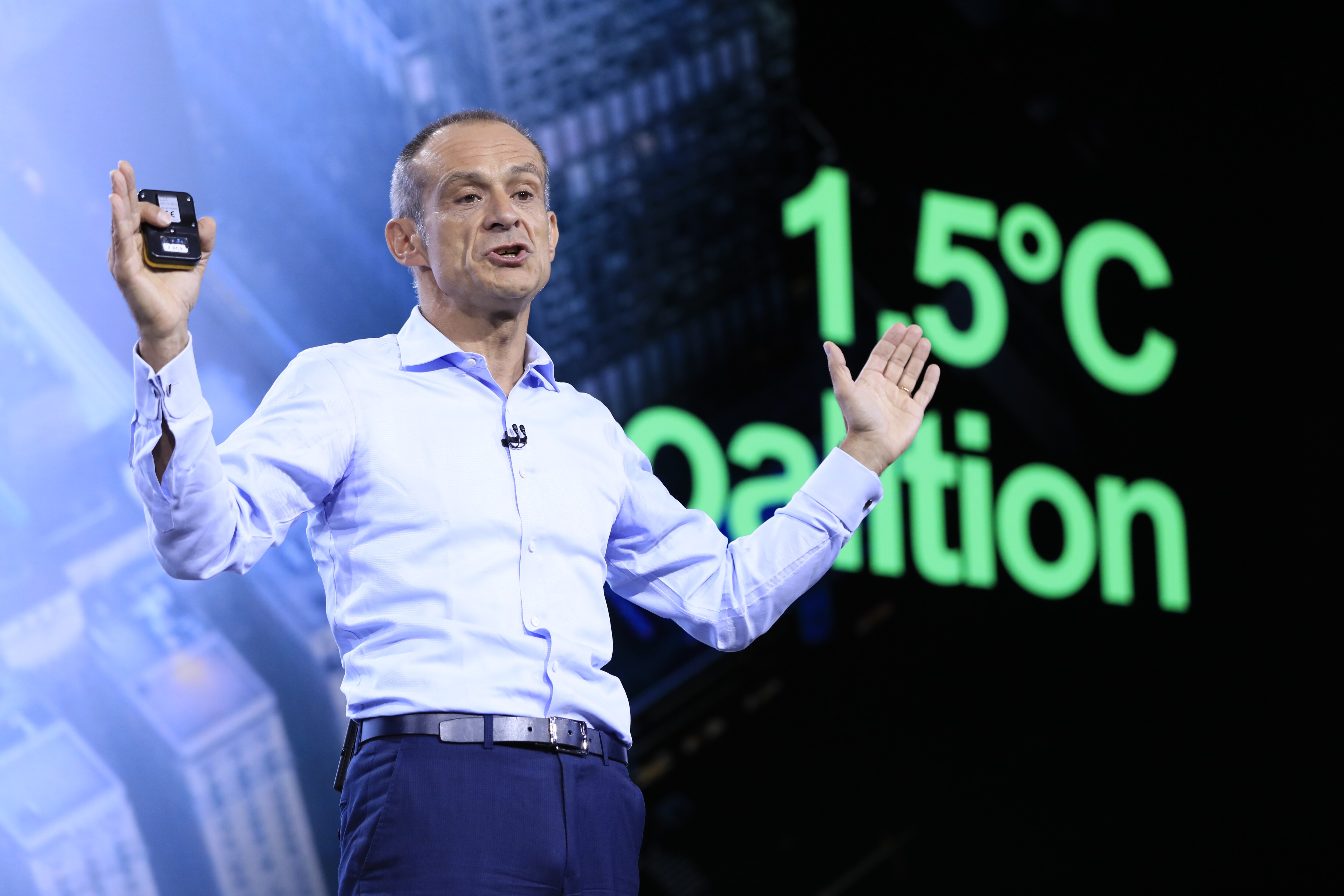
Schneider Electric India is adding five new factories to its existing 30 factories in India as part of its plan to cater to the country's growing clean energy demand. The cost of setting up these factories is estimated at Rs 1,400 crore in the next two years.
"Going green is helping company's profit and loss statement and become profitable," said Jean-Pascal Tricoire, global chairman and CEO of Schneider Electric. "It's very risky and expensive to stay brown in the current environment," he said.
The company provides smart energy solutions to 10 smart cities in India and also supports India's renewable industry. "Around 15% of India's solar generation runs on Schneider," Tricoire said.
The company provides a digital platform to companies for industrial automation, deploys smart grids to coordinate and remove duplication, and participates in the development of hydrogen infrastructure, smart and microgrid projects, etc., he said.
The new investments will help Schneider meet India's complete energy transition requirements in the coming years, he said.
Need For Digitisation
As India will transition towards green energy, digitisation for efficiency will play a critical role to achieve the set energy targets. The episode-2 of internet of things, or IoT, will be more for a connected environment. "From cabs to machines talking to each other and from energy production to energy consumption, everything must be digitised," he said.
This will require huge spending on software to connect the devices. Schneider spends €2.6 billion globally on software out of its €34 billion in turnover. India is the third-largest market for Schneider Electric, with the highest number of employees anywhere in the world, including 6,000 in research and development alone.
"Demand should be efficient on low carbon. It is a double win at the level of production," he said.
"Energy savings is the fastest and cheapest source of electricity generation," he said. "With digitisation one can win immediately 30% of efficiency. That diminishes the pressure on energy production and helps diminish emissions too."
"Efficient systems lead to zero pressure on purchasing power costs and on climate, and as a company, it's important to be super-efficient; otherwise, it's the first cost pressure on us," Tricoire said.
In India, buildings consume 40% of the total electricity generated. The power consumption of buildings in India will grow by three times in the next 25 years. This will be the fastest growth anywhere in the world, which will present a huge opportunity for companies like Schneider to develop digitally connected and efficient buildings.
Custom Solutions For India from India:
Schneider exports around 50% of what it makes in India from its 30 manufacturing units. It also develops the most advanced global technology in India.
"The 80% of the products sold in India are developed in India. It is adapted to the needs of the customers," Tricore said.
"We have strong engineering capability to deliver all our solutions, from the latest state-of-the-art cement factories to megawatt-scale solar generation, hydrogen plants, and smart buildings," he said.

-
Signature Play: The Classic Cocktail Is Dead. Or Is It?

Classic cocktails are disappearing from India's cocktail menus. But they're still being ordered, taught to bartenders and borrowed from. So, who's really having the last drink?
-
A New Samvat Wishlist: Inclusive Prosperity And Human Development
India has strengthened its economic foundations through infrastructure, digital access and enterprise. Its next growth chapter must deepen productivity, create better livelihoods and widen participation in prosperity.
-
Love, Sex Aur Dhokha: The Audacious Plot To Spy On Jensen Huang
A Taipei dinner, a Singapore chip buyer and a suspected Chinese asset: inside the alleged spy operation that got close to NVIDIA's Jensen Huang.
-
Ten Things I Learnt This Samvat
Patience can be a trap. Cheap stocks can stay cheap. Leverage can wipe you out. What did Samvat 2082 teach us? Niraj Shah writes on 10 lessons from the year gone by.
-
Talking Points This Week: Tech Nerves, FII Buying, And A Faraway Banking Shock
The global markets are not shining this Diwali. The exception in the large markets is, India.
-
Midterm Rally Lasted A Day. The Hard Reality Of A Divided US May Last Two Years | Opinion
Between a contested AI boom, a debt ceiling that arrives in 2027 and a president with every incentive to act alone, the next two years may prove more volatile than the first day's rally suggests.
-
Blue Wave Will Derail the AI Trade but Won't Dismantle the AI Era | Unhedged Position
The Democrats' sweep of the US Congress will see politics collide with economic forces both over the long and short term.
-
It's Time To Take The GST Council's Bet On Trust Global
Payment records can prove India's services exports, and clear, proportionate rules can bring foreign digital sellers into the tax net.
-
Opinion | India at 38: From Innovation Overperformer to Innovation Powerhouse
India now has 453 VC-backed deep science startups, 18 of them late-stage, after 117 percent growth since 2020. Laurus Labs, at USD 9.3 billion, is the most valuable deep science company in any middle-income economy outside China.









