Saudi City Of Future Enlists Dutch Help To Grow Crops In Desert
(Bloomberg) -- Saudi Arabia is teaming up with a Dutch greenhouse company to create “a synthetic climate” to make the desert bloom.
It's carving out an area the size of some 15 soccer fields to form a horticulture oasis on the outskirts of Neom, an entirely new city being built on the Red Sea coast that extends out into the desert. The commitment marks the biggest food—tech investment for a country whose largely arid landscape and extreme summer temperatures have long left it reliant on imports to supply most food.
The project is just the start, according to Dutch horticulturist Van Der Hoeven, whose $120 million contract with the Saudi government entails design and construction of two test facilities on Neom's outskirts, along with their service and operation over multiple years.
“We are building a synthetic climate where outdoor growing is difficult,” with a goal for plants to yield produce year-round, Van Der Hoeven's Chief Executive Officer Michiel Schoenmaeckers said in an interview in Amsterdam.
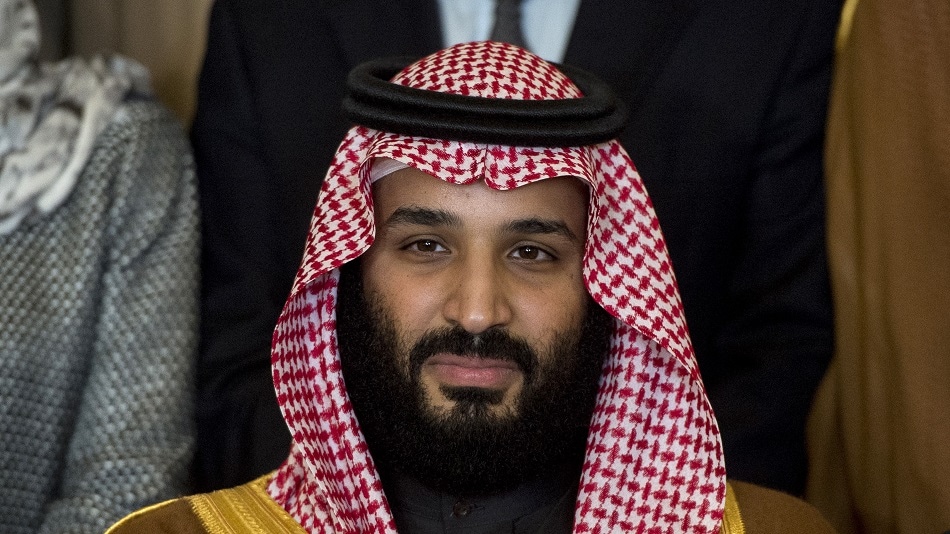
Food security is a priority for the planners of Neom, Crown Prince Mohammed bin Salman's $500 billion showpiece project to turn an expanse of desert the size of Belgium into a high-tech region that may eventually host millions of people.
The urgency has only grown since the global pandemic and Russia's invasion of Ukraine exposed the fragility of supply chains and highlighted risks to food security in the Middle East.
Scouring the World
Among the more recent deals, Saudi Arabia's sovereign wealth fund signed a pact with US-based AeroFarms to establish a company in Riyadh to build and operate indoor vertical farms in the kingdom and the wider region.
Another Saudi state entity committed capital last month to a share offering by Brazil's biggest poultry producer, adding to purchases of stakes in companies from Singapore-based agricultural trader Olam Agri Holdings to Indian rice producer LT Foods Ltd.
In Neom, Saudi Arabia is seeking out the expertise of specialists from the Netherlands, which has become the world's second-largest agricultural exporter after the US despite being one of Europe's smallest nations. Its sway has grown thanks to innovative solutions like advanced greenhouses and vertical farming, with half the country's entire land allocated for agricultural production.
Apart from meeting the needs of the new city, the goal is eventually to turn the fledgling facilities into a regional food hub.
It will feed both the future metropolis and the rest of Saudi Arabia while setting an example for other countries across the world that are grappling with food security amid climate change, according to Neom Food CEO Juan Carlos Motamayor.
Lofty Goals
The project will expand significantly after the two pilot greenhouses are ready, Motamayor said in a separate interview in the Dutch capital. Construction started earlier in 2023 and the plan is for the test facilities to be completed by next year.
“We will scale up to hundreds of hectares with different types of greenhouses,” Motamayor said.
Neom needs more than a thousand hectares of greenhouses to deliver on its goal of producing over 300,000 tons of fruits and vegetables, a target it's trying to reach in the next eight to 10 years.

The Dutch company, which is combining a slew of the latest horticulture technologies — including artificial intelligence-driven crop growing and advanced water filtration systems — aims to start operating the first site as early as August next year.
In one location, a novel solar and seawater-driven cooling system is being introduced to operate the greenhouse throughout the extreme summer heat. The approach will significantly lower water usage from the local grid.
On another site, a quarantine greenhouse will be constructed for introducing perennial crops to Neom.
The choice of Neom is emblematic of efforts by the Saudi crown prince to wean the $1 trillion economy off its reliance on oil and turn the city into a testbed for technologies that could revolutionize daily life.
Yet bringing Neom out of the planning phase and into reality has been a challenge. It hasn't managed to attract much foreign investment so far, and has been hit by setbacks and delays in efforts to build a city with hardly any existing infrastructure and often based on technologies never used before.
“There is no other place in the world that is trying to develop at the scale we want to develop and implement agriculture for arid conditions,” Motamayor said.
More stories like this are available on bloomberg.com
©2023 Bloomberg L.P.

-
Signature Play: The Classic Cocktail Is Dead. Or Is It?

Classic cocktails are disappearing from India's cocktail menus. But they're still being ordered, taught to bartenders and borrowed from. So, who's really having the last drink?
-
A New Samvat Wishlist: Inclusive Prosperity And Human Development
India has strengthened its economic foundations through infrastructure, digital access and enterprise. Its next growth chapter must deepen productivity, create better livelihoods and widen participation in prosperity.
-
Love, Sex Aur Dhokha: The Audacious Plot To Spy On Jensen Huang
A Taipei dinner, a Singapore chip buyer and a suspected Chinese asset: inside the alleged spy operation that got close to NVIDIA's Jensen Huang.
-
Ten Things I Learnt This Samvat
Patience can be a trap. Cheap stocks can stay cheap. Leverage can wipe you out. What did Samvat 2082 teach us? Niraj Shah writes on 10 lessons from the year gone by.
-
Talking Points This Week: Tech Nerves, FII Buying, And A Faraway Banking Shock
The global markets are not shining this Diwali. The exception in the large markets is, India.
-
Midterm Rally Lasted A Day. The Hard Reality Of A Divided US May Last Two Years | Opinion
Between a contested AI boom, a debt ceiling that arrives in 2027 and a president with every incentive to act alone, the next two years may prove more volatile than the first day's rally suggests.
-
Blue Wave Will Derail the AI Trade but Won't Dismantle the AI Era | Unhedged Position
The Democrats' sweep of the US Congress will see politics collide with economic forces both over the long and short term.
-
It's Time To Take The GST Council's Bet On Trust Global
Payment records can prove India's services exports, and clear, proportionate rules can bring foreign digital sellers into the tax net.
-
Opinion | India at 38: From Innovation Overperformer to Innovation Powerhouse
India now has 453 VC-backed deep science startups, 18 of them late-stage, after 117 percent growth since 2020. Laurus Labs, at USD 9.3 billion, is the most valuable deep science company in any middle-income economy outside China.









