Samsung’s Profit Rebounds With Chip Division Improvement
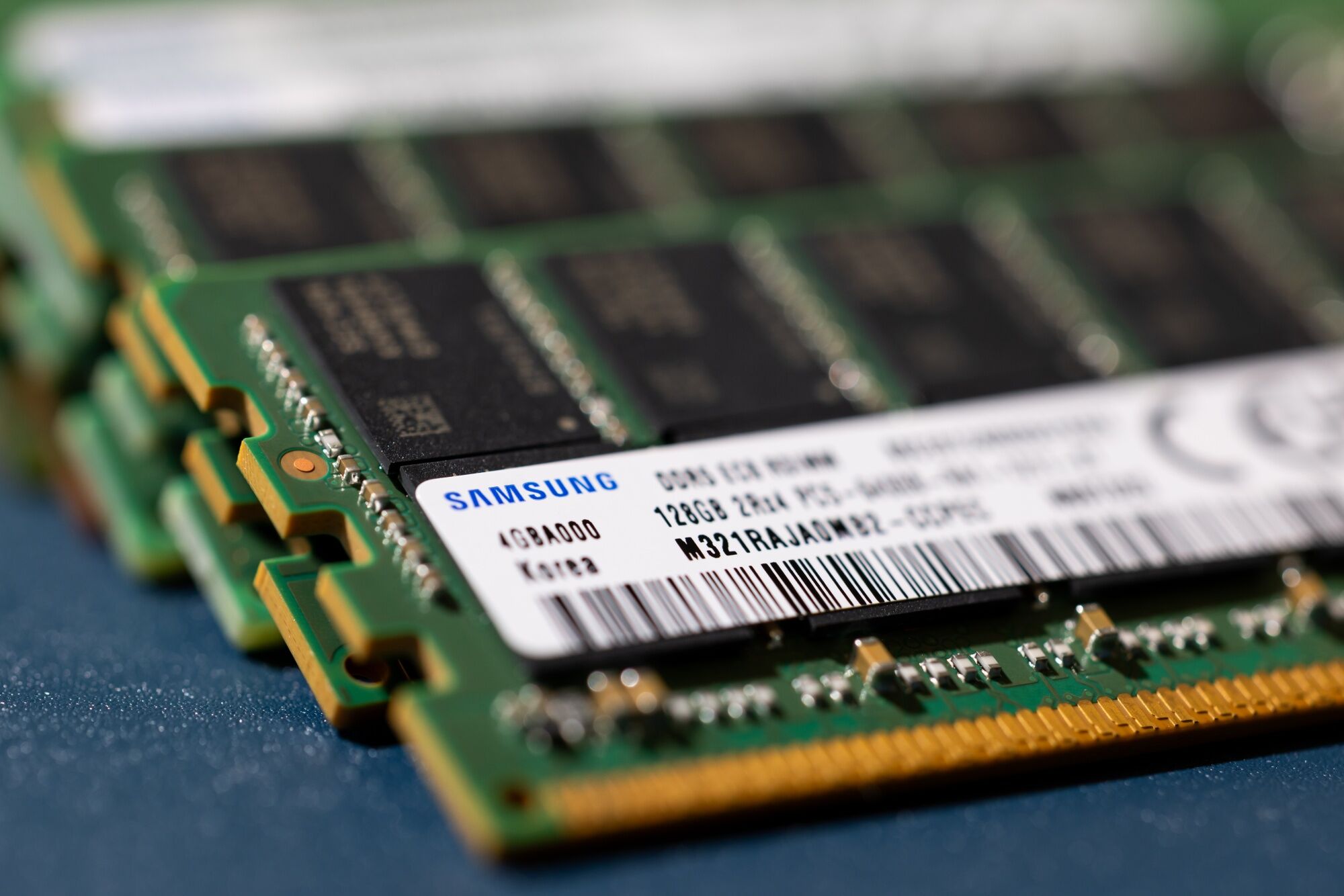
(Bloomberg) -- Samsung Electronics Co.'s profit rebounded sharply in the first quarter of 2024, reflecting a turnaround in the company's pivotal semiconductor division and robust sales of Galaxy S24 smartphones.
The world's largest memory chipmaker on Friday reported preliminary operating profit of about 6.6 trillion won ($4.9 billion), compared with analyst estimates of 5.37 trillion won. The increase snapped a run of consecutive quarterly declines that began in the third quarter of 2022.
Revenue rose to about 71 trillion won during the quarter, compared with projections for 71.8 trillion won. Shares slipped about 1% in early Seoul trading.
“Revenue came short of expectations,” said Tom Kang, director at Counterpoint Research. But the preliminary results signal that the business is back to normal, he said. “Chip production reduction was the right move and Samsung is now on its path to benefit from the AI trend in both semiconductors and smartphones.”

Samsung will announce full earnings with divisional breakdowns on April 30.
The results underscore how demand for memory chips that power modern electronics is starting to rebound after a severe downturn in the industry. South Korea's exports of chips increased 35.7% from a year earlier in March to $11.7 billion, the largest monthly sales total since March 2022.
Stronger pricing for memory chips is helping too. Major DRAM producers increased prices by 7% to 10% on average in the first quarter as inventory levels normalized for products like smartphones and PCs, according to Akshara Bassi, a senior analyst at Counterpoint Research.
Kyung Kye-hyun, Samsung's chief executive officer in charge of its semiconductor business, said at the company's annual shareholders' meeting on March 20 that its semiconductor business should recover to 2022 levels this year as the longstanding market slump begins to end. The company averaged operating profit of more than 10 trillion won a quarter that year.
Kyung discussed how Samsung is pushing its advanced packaging business after setting up a dedicated team last year. Part of his optimism coincided with Nvidia Corp. co-founder Jensen Huang's endorsement of Samsung as a supplier of high-bandwidth memory chips, critical components of the graphic processors that train AI systems.

HBM is a key part of Samsung's effort to be the world's leading chipmaker, as the one part of the memory market where Samsung doesn't enjoy a clear lead over its competition. The company said its HBM sales rose by more than 40% in the December quarter, and that memory demand showed signs of recovery.
“AI — specifically the shift to on-device generative-AI -– will become a key catalyst to increased demand, resulting in continued price increases through the rest of the year,” Bassi said. “Samsung is well positioned to capture AI-led deployments with its latest high-capacity HBM product and potential collaboration with Nvidia.”
(Adds share price and analyst comment from third paragraph.)
More stories like this are available on bloomberg.com
©2024 Bloomberg L.P.

-
Talking Points This Week: Leadership Shock At Nvidia, Earnings Strength, And The Fog Over Hormuz

The Anthropic IPO pricing and first trading day, Nvidia's upcoming earnings, and any fresh signals from Iran will set the tone for the following week.
-
Signature Play: The Classic Cocktail Is Dead. Or Is It?
Classic cocktails are disappearing from India's cocktail menus. But they're still being ordered, taught to bartenders and borrowed from. So, who's really having the last drink?
-
A New Samvat Wishlist: Inclusive Prosperity And Human Development
India has strengthened its economic foundations through infrastructure, digital access and enterprise. Its next growth chapter must deepen productivity, create better livelihoods and widen participation in prosperity.
-
Love, Sex Aur Dhokha: The Audacious Plot To Spy On Jensen Huang
A Taipei dinner, a Singapore chip buyer and a suspected Chinese asset: inside the alleged spy operation that got close to NVIDIA's Jensen Huang.
-
Ten Things I Learnt This Samvat
Patience can be a trap. Cheap stocks can stay cheap. Leverage can wipe you out. What did Samvat 2082 teach us? Niraj Shah writes on 10 lessons from the year gone by.
-
Talking Points This Week: Tech Nerves, FII Buying, And A Faraway Banking Shock
The global markets are not shining this Diwali. The exception in the large markets is, India.
-
Midterm Rally Lasted A Day. The Hard Reality Of A Divided US May Last Two Years | Opinion
Between a contested AI boom, a debt ceiling that arrives in 2027 and a president with every incentive to act alone, the next two years may prove more volatile than the first day's rally suggests.
-
Blue Wave Will Derail the AI Trade but Won't Dismantle the AI Era | Unhedged Position
The Democrats' sweep of the US Congress will see politics collide with economic forces both over the long and short term.
-
It's Time To Take The GST Council's Bet On Trust Global
Payment records can prove India's services exports, and clear, proportionate rules can bring foreign digital sellers into the tax net.
-
Opinion | India at 38: From Innovation Overperformer to Innovation Powerhouse
India now has 453 VC-backed deep science startups, 18 of them late-stage, after 117 percent growth since 2020. Laurus Labs, at USD 9.3 billion, is the most valuable deep science company in any middle-income economy outside China.









