Rupee Steady At 82.37 As Dollar Retreats And On Expected RBI Intervention
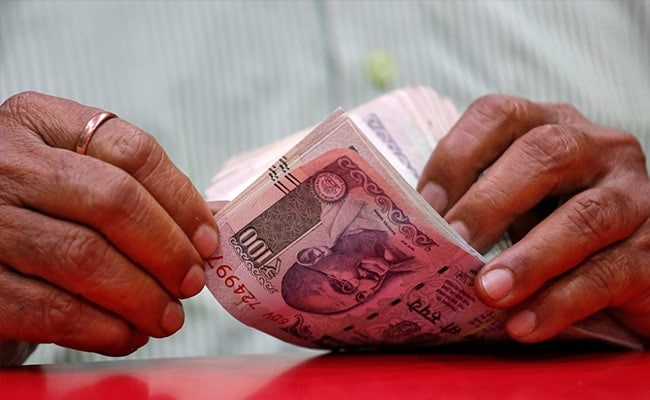
The rupee traded in a narrow range on Monday as the dollar retreated, and the intervention last week by the Reserve Bank of India deterred speculators.
Bloomberg showed the rupee was last at 82.3675 per dollar after opening at 82.3325, compared to its previous close of 82.36.
Since last Monday, when the domestic currency plunged to a record low of 82.6950 per dollar, the rupee has held fairly steady as the RBI stepped in to limit the wild fall in the currency.
The "RBI may continue its protection of certain levels," said Anil Bhansali, head of treasury at Finrex Treasury Advisors.
While the Indian central bank's intervention has limited the rupee's fall, a Reuters report quoting analysts showed it might be counterproductive for the RBI to try to strengthen the domestic currency by using advance dollar sales rather than on-the-spot transactions.
"RBI reducing the cost of carrying while wanting to defend the rupee seems counterintuitive," said Abhishek Goenka, founder and CEO of forex advisory firm IFA Global.
But on Monday, though, the rupee held in a tight range of 82.3187 to 82.4212 against the greenback.
With the rupee "not doing anything" in the last few days, "it is natural" that speculative activity has reduced, a trader at a private sector bank told Reuters.
"We could be in for a quiet week unless we have a big move on US yields."
Both the longer-term and shorter-term Treasury rates were below multi-year highs. Bond demand is being affected by the possibility of additional large rate increases from the Federal Reserve after a red-hot inflation reading.
Meanwhile, the British pound's resurgence caused the dollar index to decline slightly. Following the partial reversal of British Prime Minister Liz Truss's economic strategy on Monday, the pound rose.
"I think we're in for a period where UK credibility is continually questioned, and UK assets remain incredibly volatile for a significant period of time," Benjamin Jones, Invesco Director of Macro Research, said on Bloomberg Television.
"Watching the gilt market will be absolutely key in understanding if the market does believe Hunt to be more stable and if he will be able to push these policies through."

-
One El Nino, India Can Handle. Two Could Break The Granary

India's grain stocks can absorb one bad year, but a second El Nino could drain the buffer in two to three years, economists say.
-
India's Troika Of Good Luck | Joining The Dots
As Jensen Huang's exit drags Nvidia down, a cooling AI trade and resilient earnings have revived investor interest in India. A likely RBI rate hike looms.
-
Talking Points This Week: Leadership Shock At Nvidia, Earnings Strength, And The Fog Over Hormuz
The Anthropic IPO pricing and first trading day, Nvidia's upcoming earnings, and any fresh signals from Iran will set the tone for the following week.
-
Signature Play: The Classic Cocktail Is Dead. Or Is It?
Classic cocktails are disappearing from India's cocktail menus. But they're still being ordered, taught to bartenders and borrowed from. So, who's really having the last drink?
-
A New Samvat Wishlist: Inclusive Prosperity And Human Development
India has strengthened its economic foundations through infrastructure, digital access and enterprise. Its next growth chapter must deepen productivity, create better livelihoods and widen participation in prosperity.
-
Love, Sex Aur Dhokha: The Audacious Plot To Spy On Jensen Huang
A Taipei dinner, a Singapore chip buyer and a suspected Chinese asset: inside the alleged spy operation that got close to NVIDIA's Jensen Huang.
-
Ten Things I Learnt This Samvat
Patience can be a trap. Cheap stocks can stay cheap. Leverage can wipe you out. What did Samvat 2082 teach us? Niraj Shah writes on 10 lessons from the year gone by.
-
Talking Points This Week: Tech Nerves, FII Buying, And A Faraway Banking Shock
The global markets are not shining this Diwali. The exception in the large markets is, India.
-
Midterm Rally Lasted A Day. The Hard Reality Of A Divided US May Last Two Years | Opinion
Between a contested AI boom, a debt ceiling that arrives in 2027 and a president with every incentive to act alone, the next two years may prove more volatile than the first day's rally suggests.
-
Blue Wave Will Derail the AI Trade but Won't Dismantle the AI Era | Unhedged Position
The Democrats' sweep of the US Congress will see politics collide with economic forces both over the long and short term.









