10% Quota: “No… But Maybe, Yes” Is Lose-Lose Politics For The Opposition
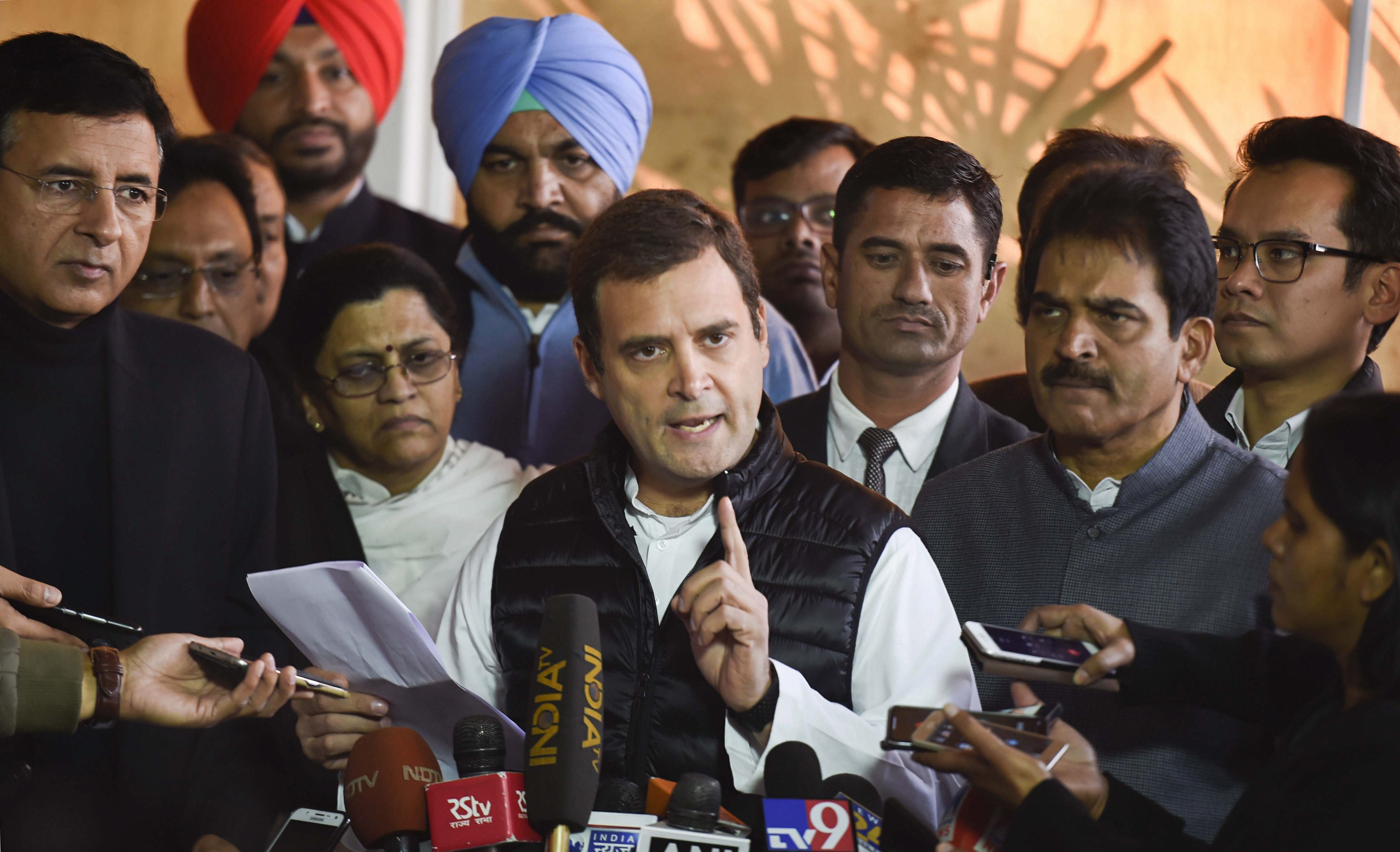
“No, no way, not now… but hey, hold on, yes, maybe….”
These words may work splendidly on a cold night when you ask “to be let in for a cup of coffee” at your date's doorstep; but in politics, these same words are dangerously ambivalent.

So, I was surprised when, in the Rajya Sabha debate on the ‘10 percent forward quota bill', one political stud after another began with a stinging rebuke, then wrung his/her hands and ended with an abject “no … but yes”. Just look at this roll call of honour among India's opposition heavyweights:
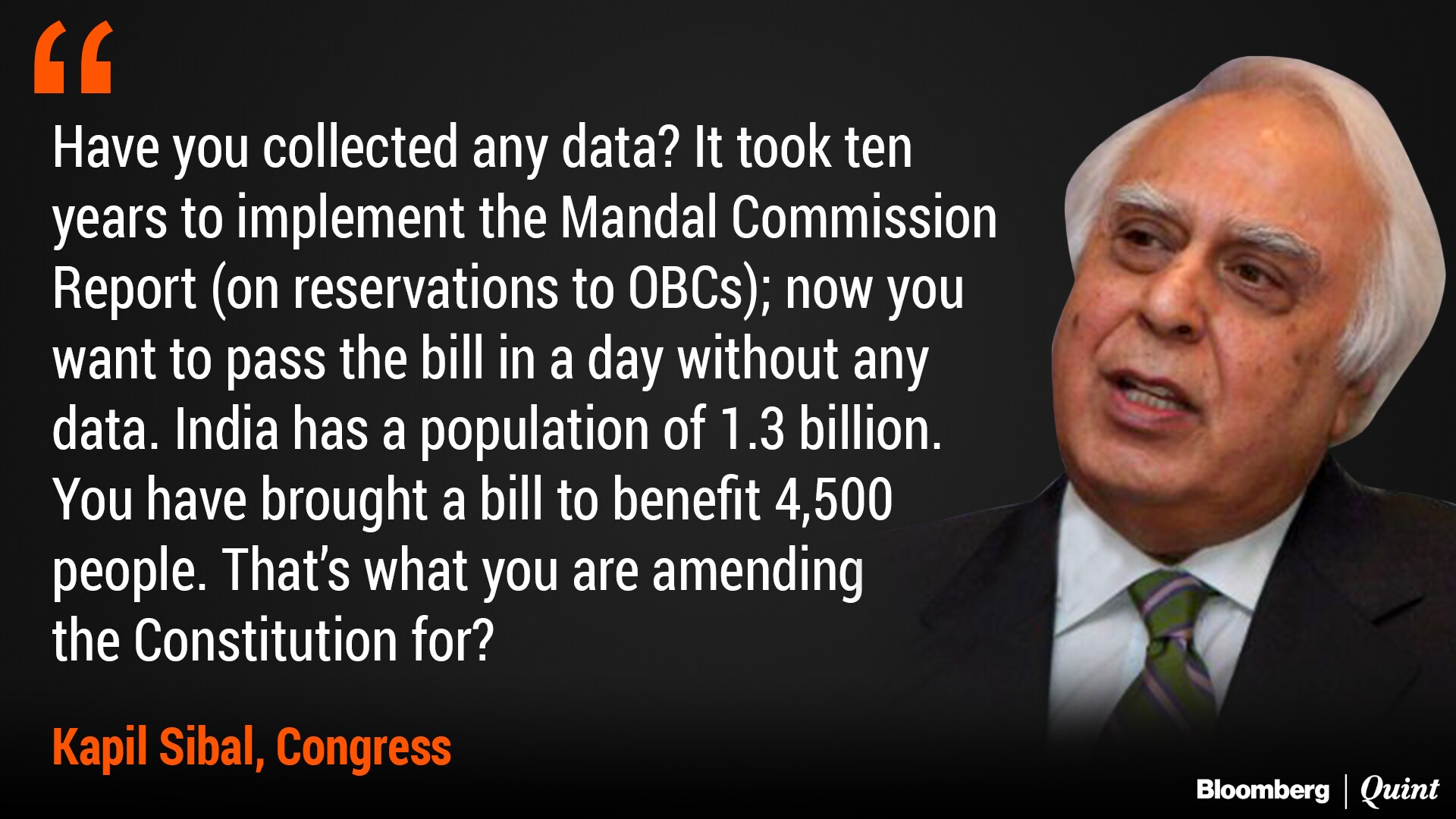
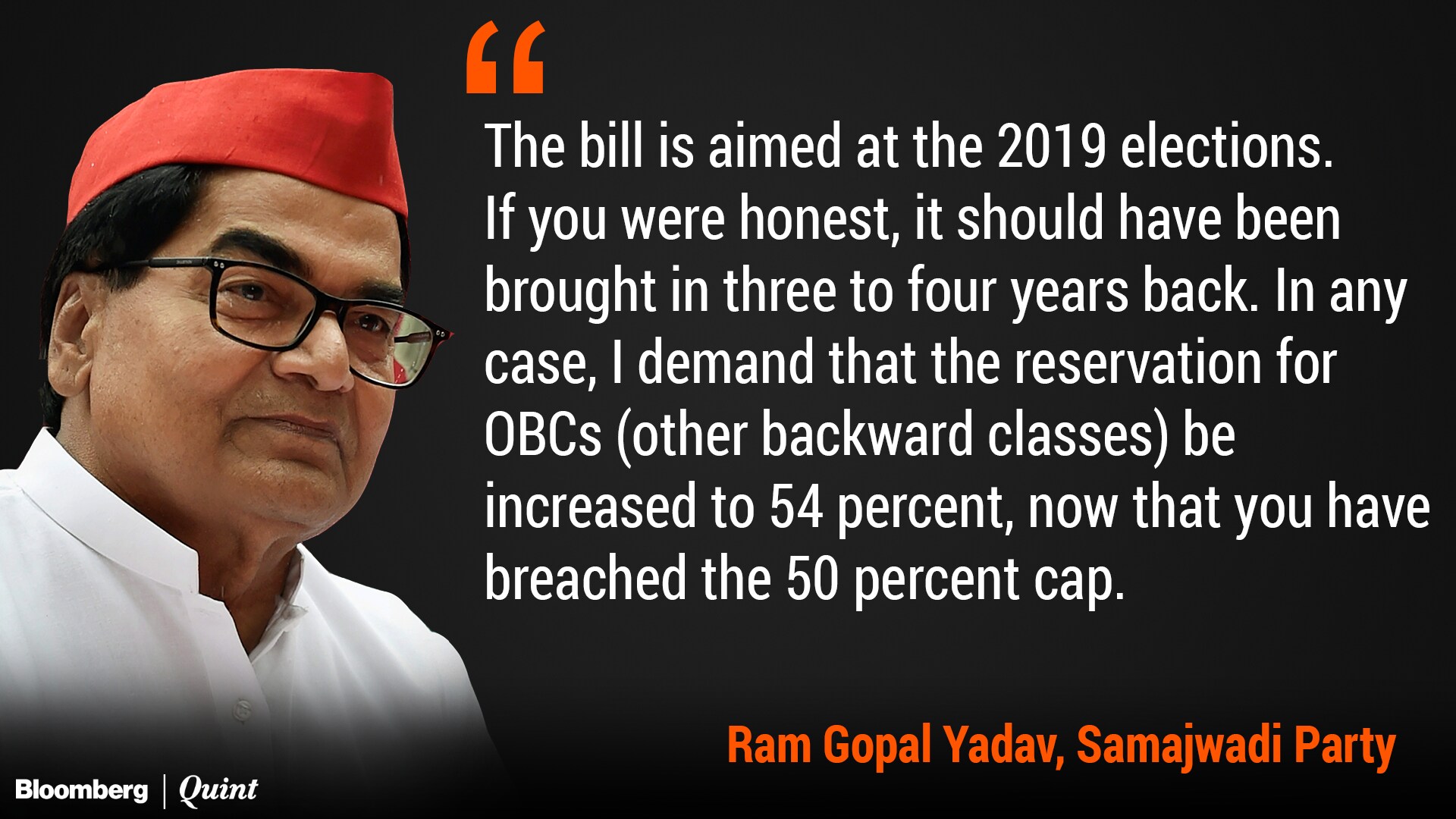
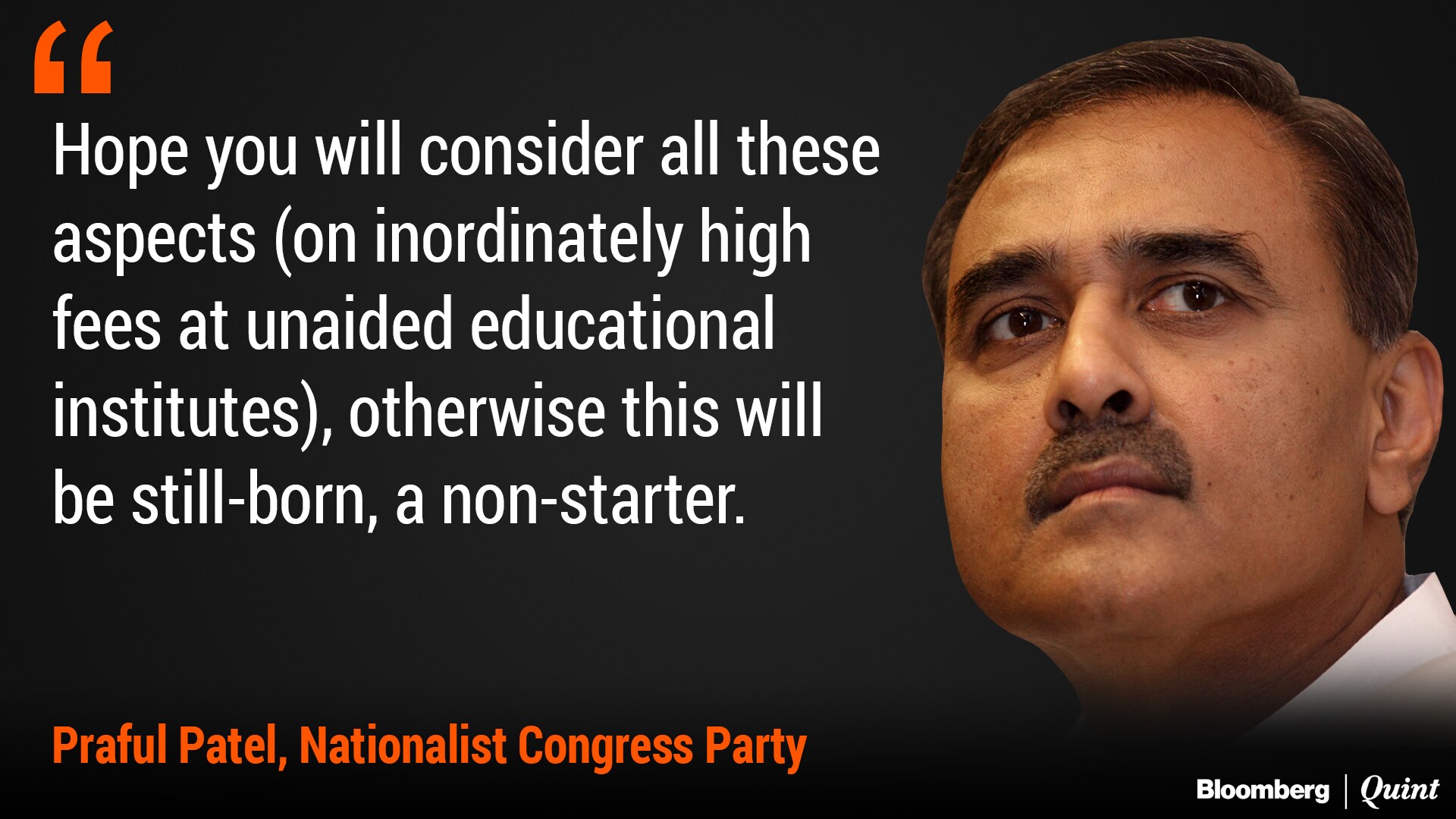
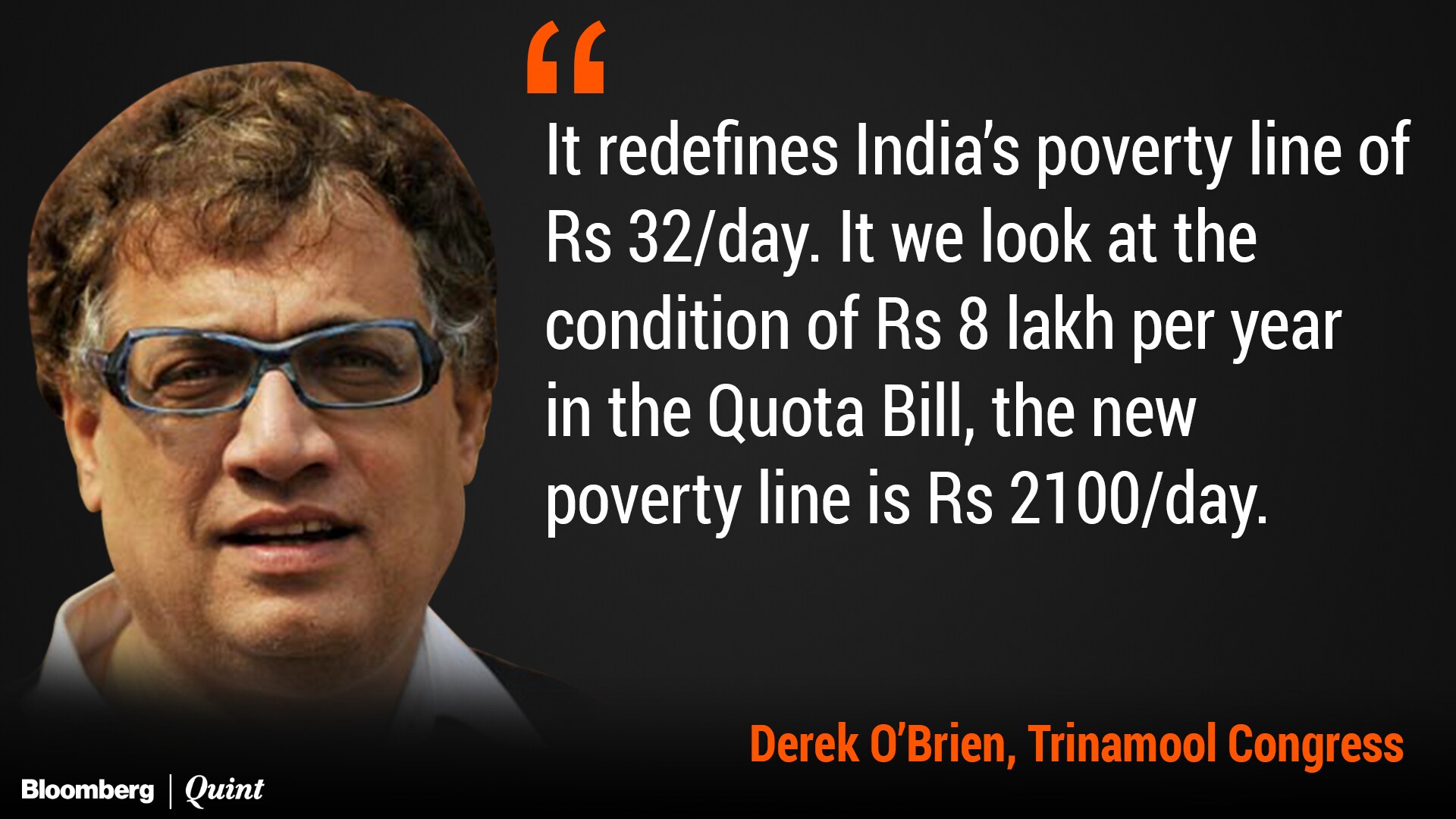
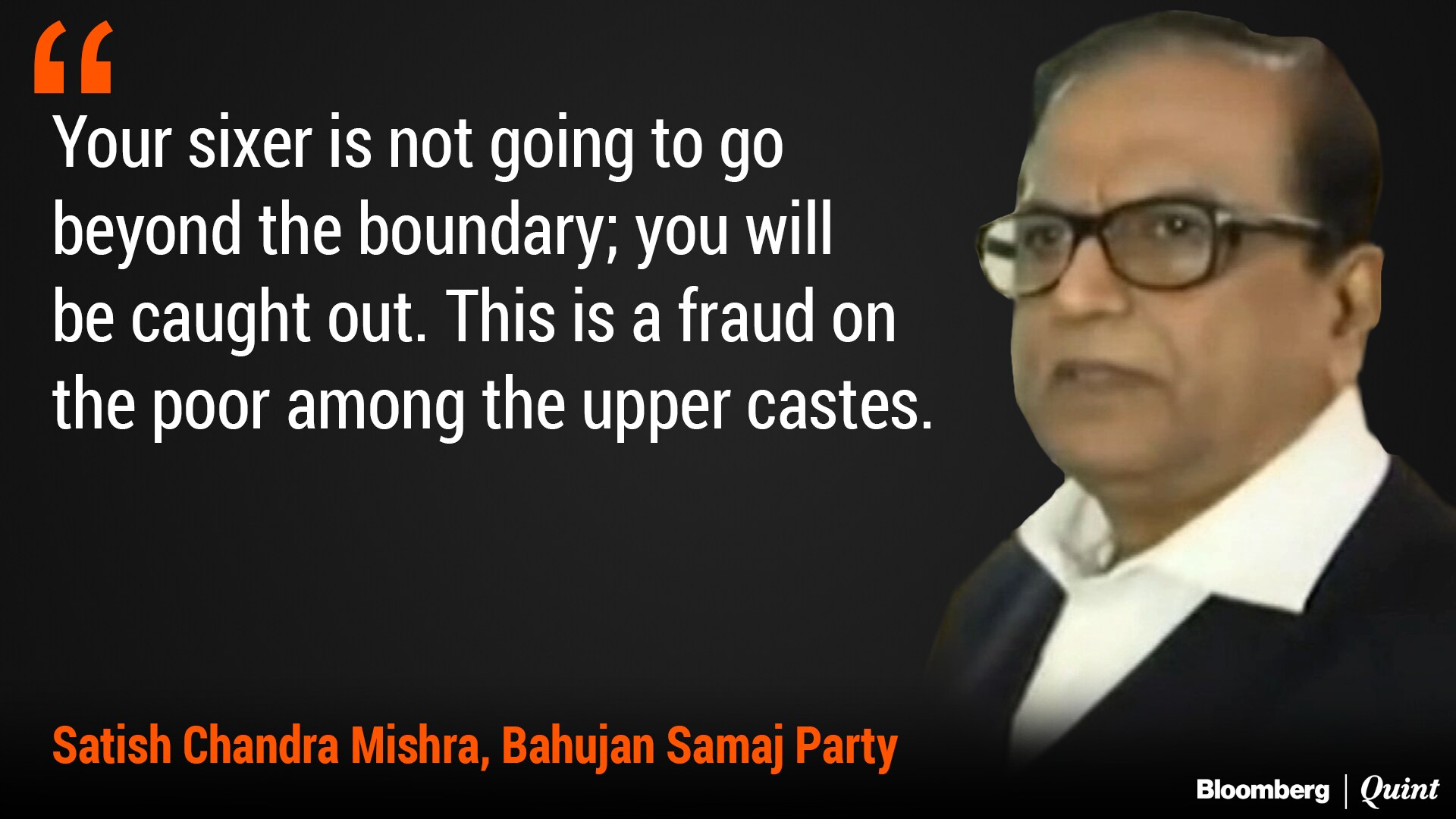
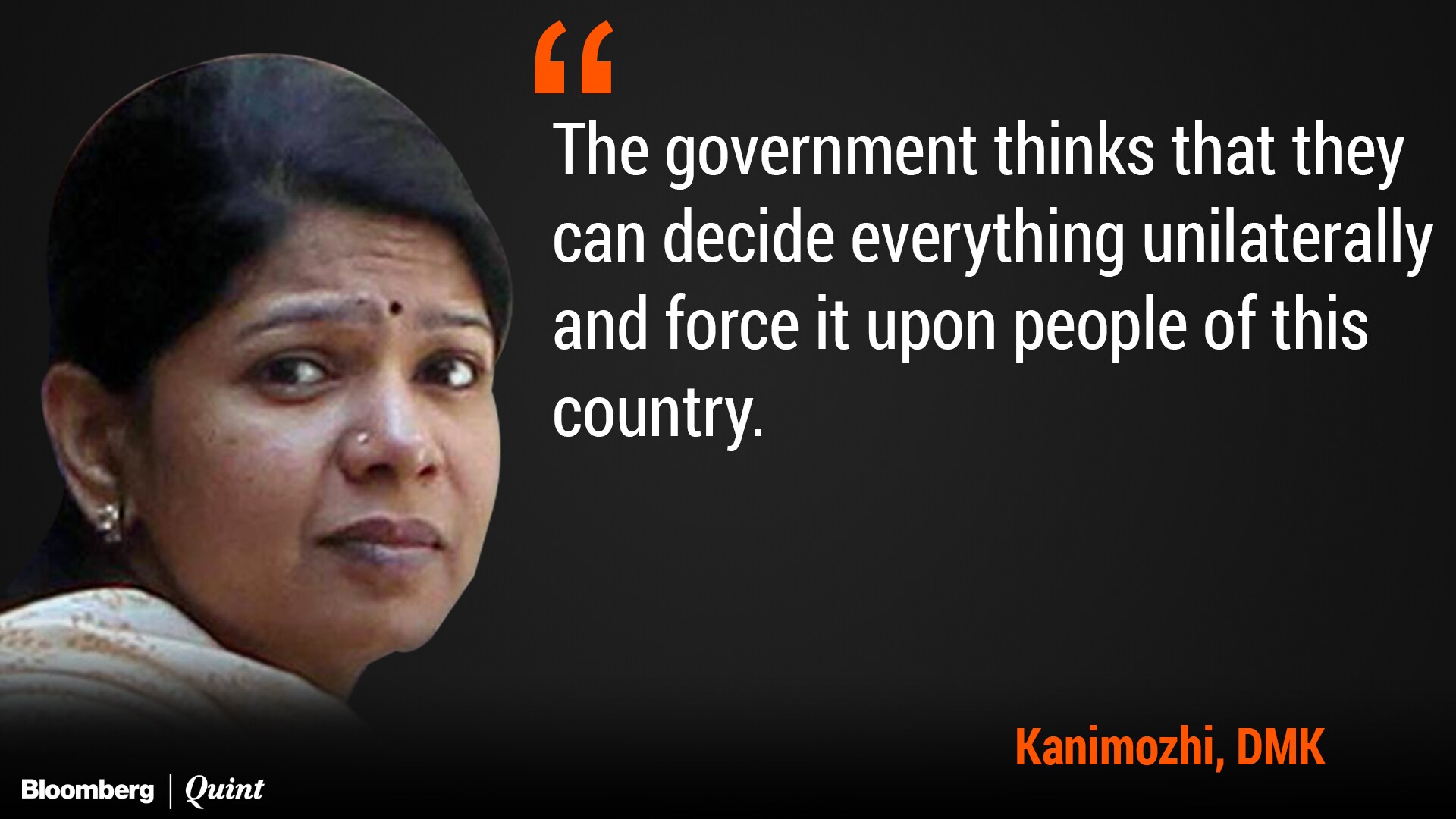
But the nation watched, stunned! In two days flat, the alchemy of India's equal-opportunity democracy was altered.
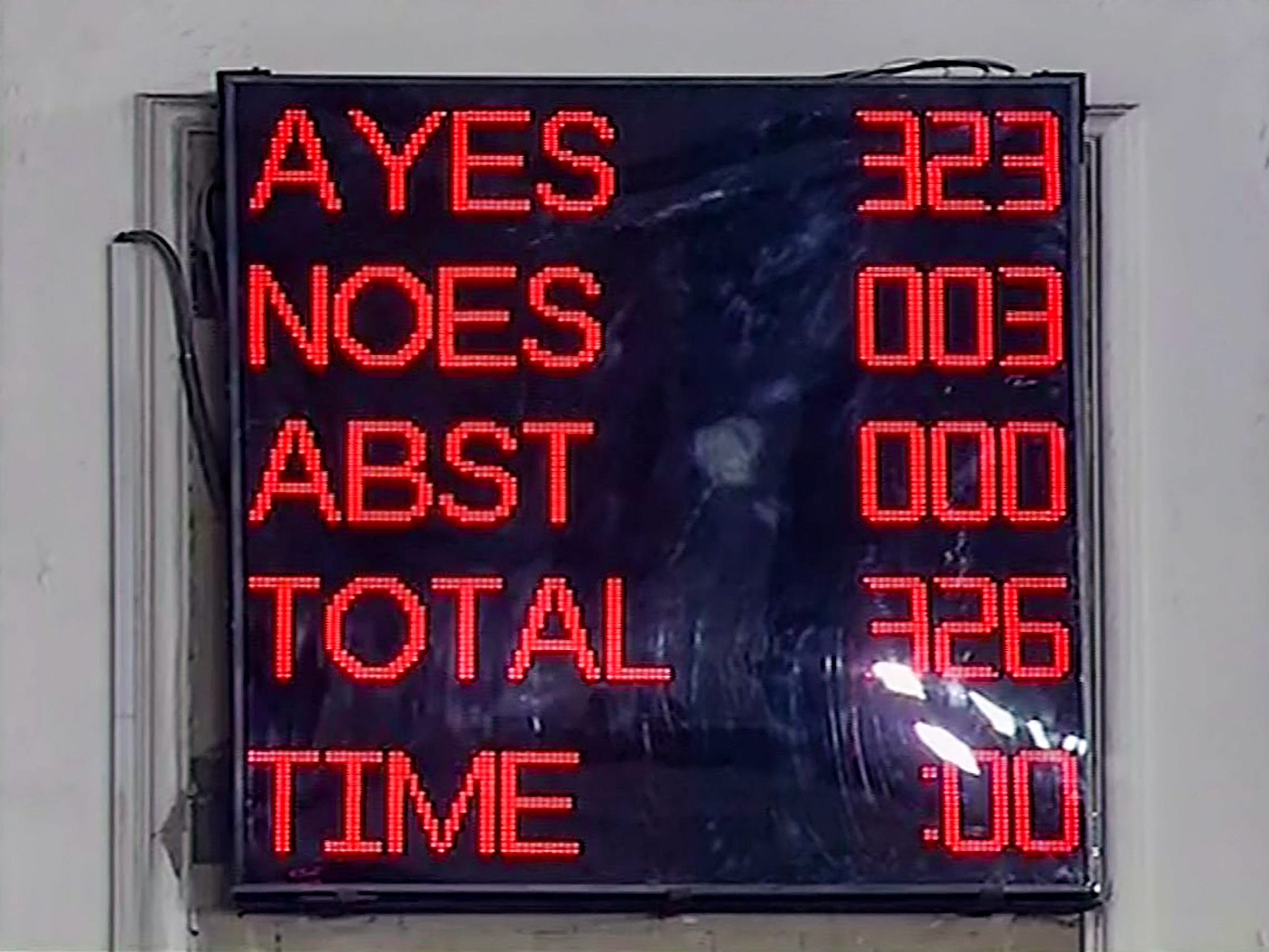
Parliamentary ‘Consensus' At Odds Against Fractured National Sentiment
However, the sentiment on the ground was/is fractured. In that sense parliament short-changed India. Its members should have manifested the will of the people, which is nowhere near as unanimous:
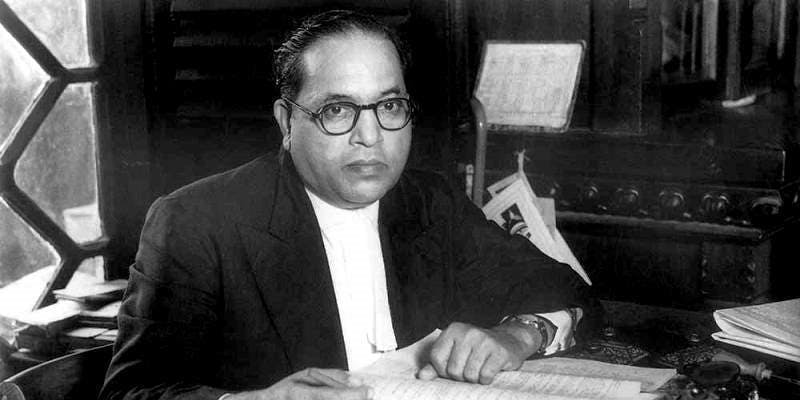
- Several SC/ST/OBC beneficiaries fear that this is a 'test encroachment' that could eventually replace caste-based reservations with affirmative action based solely on economic criteria. The fact that this happened under an RSS-dominated government adds grist to this apprehension. After all, the RSS has never hidden its “desire” to rid India of caste distinctions, while the current reservation regime sharpens sub-identities. So for them, this could be the first step in a long-term game plan. The fact that the founding fathers—read, Bhimrao Ambedkar, perhaps the most dubiously cited icon—wanted caste-based reservations to be “temporary” could eventually become a handy justification to end the old system.
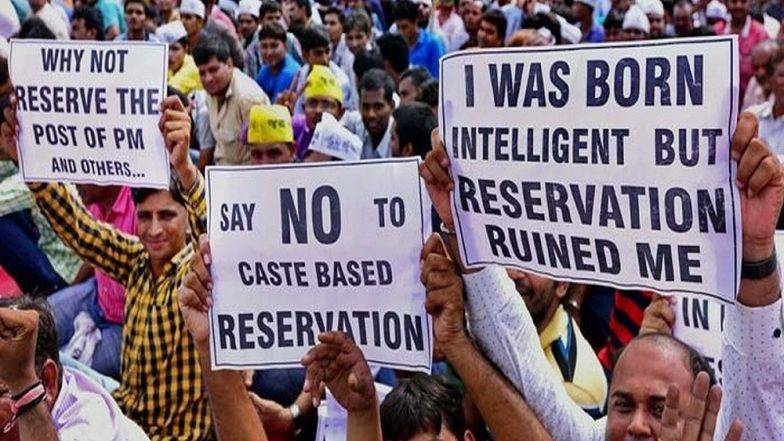
- Even those entitled to the new quotas are restive. Many feel that by stipulating such a high watermark—a daily household income of Rs 2,100, which covers almost 95 percent of India's population for a paltry 10 percent reservation—these benefits will be cornered by the well-off in the general categories, once again denying the real poor their due. They are ready to agitate for a much lower cut-off, perhaps at Rs 2.50 lakh per annum of household income. They are afraid that instead of demolishing economic privilege, this bill could entrench it.
- The salaried classes, once again, feel they are the ‘first to be whipped'. While they cannot fudge salary statements, those with unaccounted money shall enjoy the ‘privilege' of producing false certificates showing lower incomes.
- Finally, there is extreme resentment brewing in the ‘top 5 percent' who are not covered by any reservation. Even if you forget about the super-rich who are not bothered by this exclusion, there are nearly 5 crore middle and upper-middle-class Indians who are chafing at the leash. What's the point of living in a country which outlaws merit, they ask in simmering anger. They are contemplating a distraught ‘brain exodus'.
The Payoff From A Categorical YES Or NO
An amorphous “no … but yes” has left every opposition politician stranded in no-man's land. All the bragging rights on this have been turned over to Prime Minister Narendra Modi. In turn, he is bound to paint the opposition's ‘flaky yes' as, at best, how he ‘outwitted' them, and at worst, their ‘weak hoodwink'.
On this one, I am afraid it's tails I win and heads you lose.
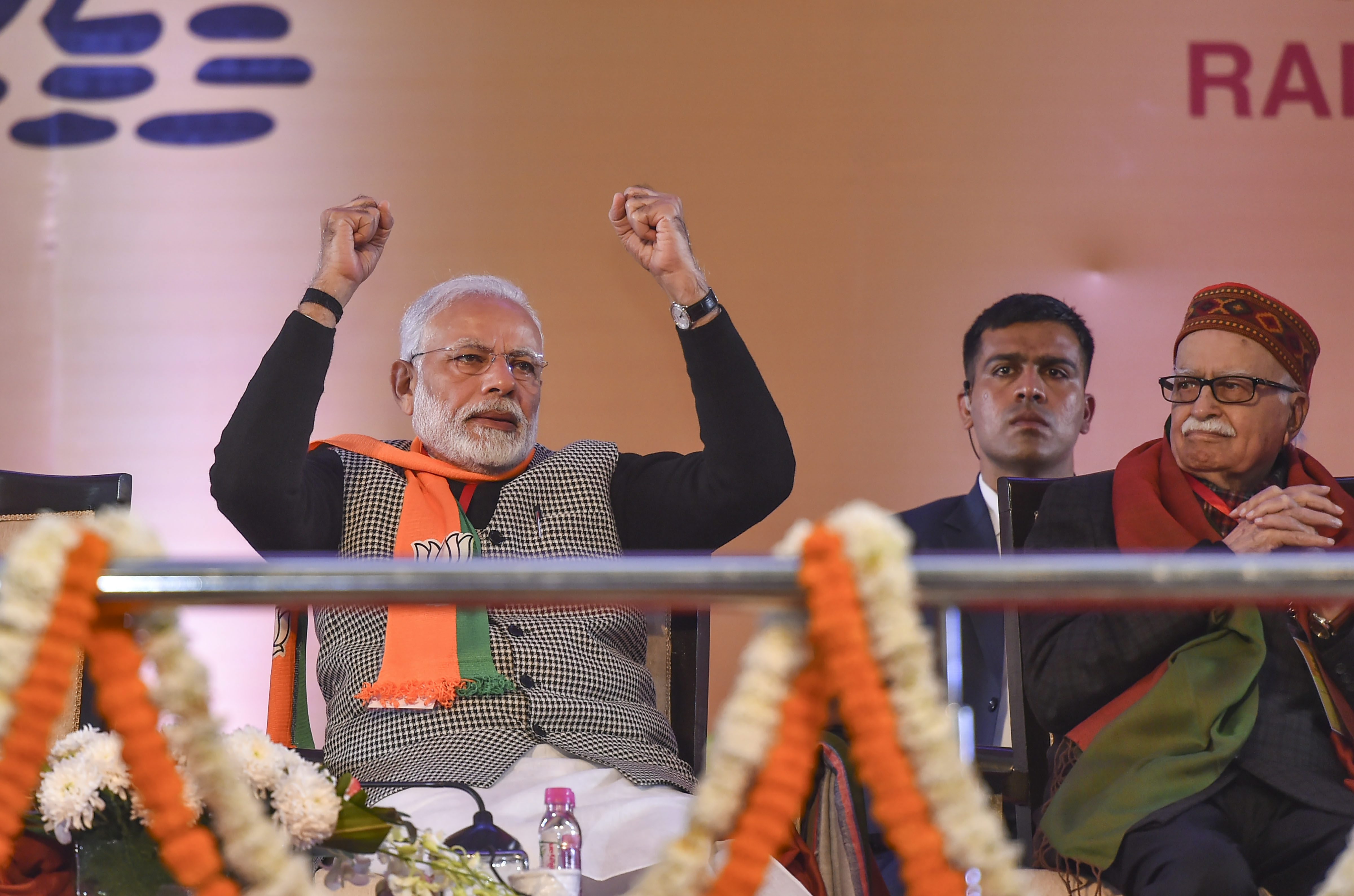
This would have halted the Modi steamroll and given the opposition time to harness the gathering disenchantment into a potent protest movement. They would have occupied the critical opposition space, exactly as they have done with the Triple Talaq Bill. Or with the Citizenship Bill. In both these instances, they've stood firm, taken the blows, but slowly welded the narrative away from the government, at least with those fearing exploitation and disenfranchisement.
I wonder why they missed that trick here, especially when the lessons of recent electoral history are clear.
People back decisive politicians; they endorse risk-takers.
Today, the country is again yearning for change. What it doesn't need from its politicians is shades of that evocative Bollywood song “main peeta nahin hoon peelayi gayi hai” (I don't drink, but have been forced to drink), that is:
Raghav Bahl is the co-founder and chairman of Quintillion Media, including BloombergQuint. He is the author of two books, viz ‘Superpower?: The Amazing Race Between China's Hare and India's Tortoise', and ‘Super Economies: America, India, China & The Future Of The World'.

-
AI Bias In Investing Cannot Be Eliminated, But It Can Be Governed

Framing is a particularly important example as identical financial information presented in terms of gains rather than losses can lead an LLM to reach a different assessment.
-
Joining The Dots | Dark Skies, Steady Diya: Why Hope Holds This Diwali
With war, a weak rupee and foreign outflows weighing on sentiment, policymakers at the NDTV World Summit and market veterans at NDTV Profit Ignite: Diwali Edition offered the same advice: stay invested and filter out the noise.
-
The Curious Case of Equitas Small Finance Bank And A CEO Who Quit For Stock
PN Vasudevan believes persistent investor concerns over a perceived conflict of interest had become a governance overhang on Equitas Small Finance Bank's stock, even as the lender improved profitability and asset quality.
-
Talking Points This Week: AI Cash Burn, A Tiger Comeback And An India That Still Finds Its Own Path
India is not immune to higher oil or tighter global liquidity, yet its earnings base is broader, its domestic policy levers are still available.
-
Foreign Investors Own Half Of HDFC Bank and ICICI Bank. An LTCG Cut Could Matter Most Here
Foreign portfolio investors have US$115 billion parked in HDFC Bank, ICICI Bank. If the government cuts long-term capital gains tax, Jefferies says returning foreign money could land here first.
-
'Never Seen This Level Of Negativity': Sandeep Tandon Says The Next Rally May Be Closer Than You Think
Veteran investor Sandeep Tandon says foreign selling is easing, large-caps are due a comeback and mid-caps are crowded, while he turns positive on gold, power and pharma this Diwali.
-
Indians Stay With Family, Not In Hotels | The Reason Why
India still lacks enough clean, reliable and affordable hotels for budget-conscious travellers.
-
The Economic Imperative: Analysing The Material Driving Force Behind India-Canada Strategic Reset
This economic complementarity is further reinforced by deep institutional investment ties and talent mobility, which form the bedrock of the bilateral framework.
-
Medicine Pricing: Where Must Profit Stop?
India must confront excessive margins, hidden incentives and regulatory gaps that threaten the integrity of medicine.
-
Why Amazon And Flipkart Are Struggling To Beat Meesho In India's Smaller Cities
With 274 million users and lowest-cost logistics, Meesho is defending its value commerce crown against giants like Amazon and Flipkart.










