2018: A Year Of Reckoning For Real Estate Sector
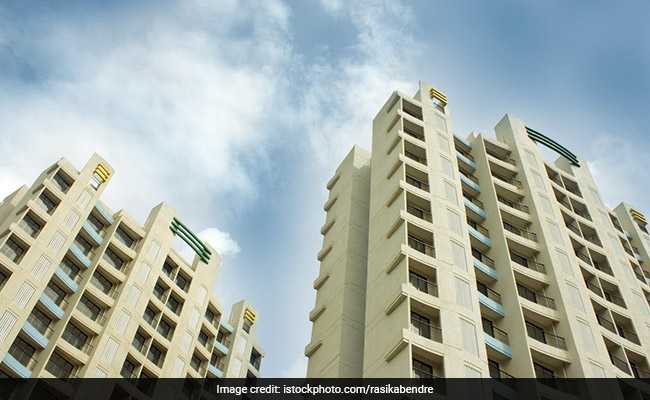
Though the fledgling real estate sector facing a slowdown due to the weak residential segment showed signs of recovery this year with affordable and mid-segment housing driving sales amidst largely stagnant prices, the liquidity crisis gripping NBFCs, a major source of funding for realty, put the brakes on recovery. And with the assembly polls and upcoming general elections further casting a pall of uncertainty over the liquidity situation in the New Year, real estate is headed for a turbulent turnaround.
This year, the spotlight was on the dominant residential segment. With key reforms of RERA and GST settling in and the disruptive impact of demonetisation fizzling out, residential real estate staged a recovery, propelled by substantial interest subsidy (up to Rs 2.67 lakh) and lower GST (8 per cent) on affordable and mid-segment housing.
The availability of a sizable chunk of ready-to-move housing stock with zero GST contributed significantly to the recovery by pushing sales. This was made possible by debt-ridden developers focusing on completing and delivering projects due to stringent RERA rules and compulsion to generate cash flows. By H1, over 3.5 lakh homes, according to market research, were delivered in seven top cities.
Flagship reforms like the Pradhan Mantri Awas Yojana (PMAY) proved to be a panacea to
bridge the housing deficit, especially in urban India, where, according to Magicbricks.com, 9 lakh houses, mostly affordable and mid-segment, were completed over three years.
This year was marked by reforms like the liberalisation of FDI in retail, an IBC amendment treating home buyers at par with banks and institutional creditors and the government extending the interest subsidy benefits under PMAY to mid-segment housing. In fact, it was a year consumers as investors stayed away due to stagnant prices and concerns over the completion of projects.
The stressed developers offered attractive discounts and deals to cut unsold inventory and generate revenue. By the end of the third quarter this year, there was double digit growth in sales. Despite this, the confidence of home buyers was still low as the benefits of reforms, especially RERA, did not benefit them much. In fact, they hardly got any relief in terms of refunds or completions/deliveries of projects. The liquidity crisis precipitated by NBFCs adversely impacted the completion of projects. Similarly, under GST, home buyers were deprived of the benefits of Input Tax Credit.
Commercial real estate, including offices, retail and industrial real estate made steady progress. In fact commercial office leasing, propelled by the increasing trend of co-working spaces and foreign investors' interest in pre-committed high-grade office properties offering good rental yields, turned out to be saviour like affordable housing in the residential segment. The office space leasing is expected to touch the 39 msf mark in the top seven cities.
Further, liberalisation of FDI norms in retail saw growing interest of foreign investors in this segment, with tier 2 & 3 cities significantly contributing to the growth of retail real estate, along with metros.
Going forward, real estate will continue to face rough weather in the first half of 2019. Stalled housing projects continue to be stumbling blocks in the growth of the sector, especially with buyers staying away from risky under-construction projects, depriving them of realising the full benefits of the government's interest subsidy scheme under PMAY.

-
Getting To Work Costs Women More | The Reason Why

It is not just about women paying more than men. It is about women paying much more in cities than in villages.
-
AI Bias In Investing Cannot Be Eliminated, But It Can Be Governed
Framing is a particularly important example as identical financial information presented in terms of gains rather than losses can lead an LLM to reach a different assessment.
-
Joining The Dots | Dark Skies, Steady Diya: Why Hope Holds This Diwali
With war, a weak rupee and foreign outflows weighing on sentiment, policymakers at the NDTV World Summit and market veterans at NDTV Profit Ignite: Diwali Edition offered the same advice: stay invested and filter out the noise.
-
The Curious Case of Equitas Small Finance Bank And A CEO Who Quit For Stock
PN Vasudevan believes persistent investor concerns over a perceived conflict of interest had become a governance overhang on Equitas Small Finance Bank's stock, even as the lender improved profitability and asset quality.
-
Talking Points This Week: AI Cash Burn, A Tiger Comeback And An India That Still Finds Its Own Path
India is not immune to higher oil or tighter global liquidity, yet its earnings base is broader, its domestic policy levers are still available.
-
Foreign Investors Own Half Of HDFC Bank and ICICI Bank. An LTCG Cut Could Matter Most Here
Foreign portfolio investors have US$115 billion parked in HDFC Bank, ICICI Bank. If the government cuts long-term capital gains tax, Jefferies says returning foreign money could land here first.
-
'Never Seen This Level Of Negativity': Sandeep Tandon Says The Next Rally May Be Closer Than You Think
Veteran investor Sandeep Tandon says foreign selling is easing, large-caps are due a comeback and mid-caps are crowded, while he turns positive on gold, power and pharma this Diwali.
-
Indians Stay With Family, Not In Hotels | The Reason Why
India still lacks enough clean, reliable and affordable hotels for budget-conscious travellers.
-
The Economic Imperative: Analysing The Material Driving Force Behind India-Canada Strategic Reset
This economic complementarity is further reinforced by deep institutional investment ties and talent mobility, which form the bedrock of the bilateral framework.
-
Medicine Pricing: Where Must Profit Stop?
India must confront excessive margins, hidden incentives and regulatory gaps that threaten the integrity of medicine.










