RBI’s New Rules To Push Another Rs 1.5 Lakh Crore Loans Into Insolvency, Says Credit Suisse
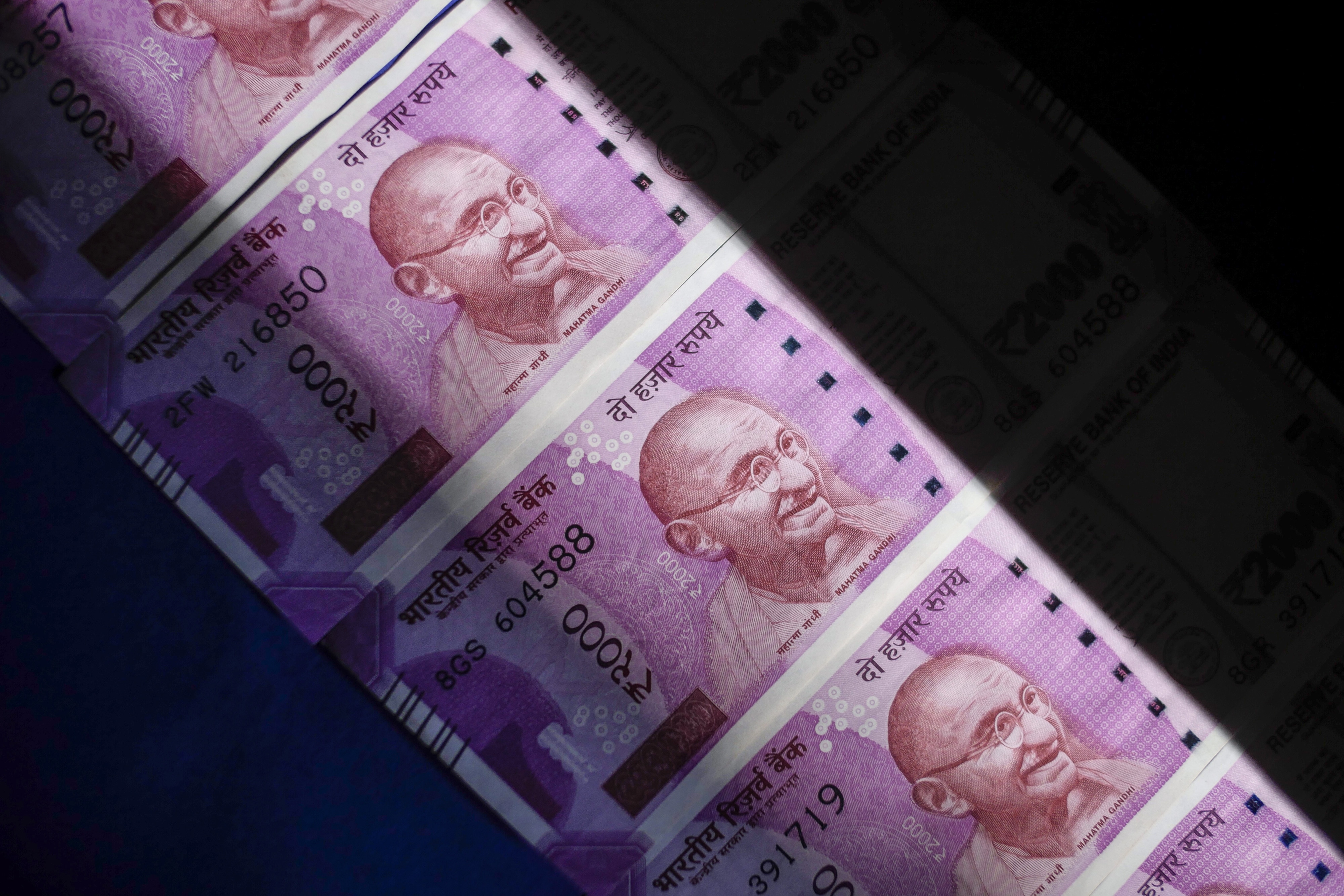
The Reserve Bank of India's clean-up act could increase bad loans under insolvency resolution by another 40 percent in six months to about Rs 5 lakh crore—more than half of the non-performing assets in the Indian banking system.
That's the estimate from Credit Suisse after the central bank overhauled the nation's stressed asset resolution mechanism. The RBI did away with a number of interim schemes introduced before India adopted the new bankruptcy law. Instead, lenders must now agree on a resolution plan within 180 days. If they fail, large stressed accounts must be immediately referred for resolution under the Insolvency and Bankruptcy Code.
The rules come at a time when Indian banks are close to completing the process of recognising bad loans, but resolution is still in early stages. Credit Suisse estimates total NPAs in the banking system at Rs 8.8 lakh crore.
“Another Rs 1.5 trillion (or Rs 1.5 lakh crore) of non-performing assets are now likely to be with the National Company Law Tribunal in the next six months,” according to a Credit Suisse report on RBI's new rules. That's in addition to the Rs 3.5 lakh-crore loans already under insolvency resolution, it added.
Restriction on promoters to bid for stressed assets coupled with a spike in bad loans will lead to larger haircuts, the report said. The first set of companies to undergo the IBC process, excluding a couple of large steel accounts, have seen haircuts of 60-80 percent of debt, Credit Suisse pointed out.
“With the revised guidelines, NPA slippages are likely to accelerate, upgrades are likely to be more difficult and provisioning needs are likely to rise as more cases are referred under the IBC,” it said. Credit Suisse estimates that if defaults as a percentage of bad loans increase by 10 percent, capital needed for provisioning will rise by Rs 60,000 crore.
That will hurt lenders with lower capital adequacy. Punjab National Bank, Bank of India and Union Bank of India are relatively weak and will need more capital.
Also Read: BQExplains: What RBI's New Bad Loan Resolution Framework Means

ICICI Bank Ltd. and Axis Bank Ltd. are relatively better placed as large provisioning needs have already been accounted for. Among the public-sector lenders, Bank of Baroda is better placed with an already high stressed assets cover.
While capital in the hand of India's largest lender, State Bank of India, is low, the report said recapitalisation by the government will “aid accelerated clean-up of books".
Also Read: No More Lies: An Ultimatum For India's Banks

-
We May Need Another Tukaram Mundhe To Fight Air Pollution | The Reason Why

Developers may install basic measures such as sprinklers and green nets, resume work, and continue violating rules when this equipment stops working.
-
Extracting Value From Battery Scrap Could Be Challenging For India | The Reason Why
A discarded lithium-ion battery still contains valuable materials such as lithium, nickel and cobalt. These can be recovered and reused. When such batteries are crushed and shredded, they produce a dark powder called black mass.
-
One El Nino, India Can Handle. Two Could Break The Granary
India's grain stocks can absorb one bad year, but a second El Nino could drain the buffer in two to three years, economists say.
-
India's Troika Of Good Luck | Joining The Dots
As Jensen Huang's exit drags Nvidia down, a cooling AI trade and resilient earnings have revived investor interest in India. A likely RBI rate hike looms.
-
Talking Points This Week: Leadership Shock At Nvidia, Earnings Strength, And The Fog Over Hormuz
The Anthropic IPO pricing and first trading day, Nvidia's upcoming earnings, and any fresh signals from Iran will set the tone for the following week.
-
Signature Play: The Classic Cocktail Is Dead. Or Is It?
Classic cocktails are disappearing from India's cocktail menus. But they're still being ordered, taught to bartenders and borrowed from. So, who's really having the last drink?
-
A New Samvat Wishlist: Inclusive Prosperity And Human Development
India has strengthened its economic foundations through infrastructure, digital access and enterprise. Its next growth chapter must deepen productivity, create better livelihoods and widen participation in prosperity.
-
Love, Sex Aur Dhokha: The Audacious Plot To Spy On Jensen Huang
A Taipei dinner, a Singapore chip buyer and a suspected Chinese asset: inside the alleged spy operation that got close to NVIDIA's Jensen Huang.
-
Ten Things I Learnt This Samvat
Patience can be a trap. Cheap stocks can stay cheap. Leverage can wipe you out. What did Samvat 2082 teach us? Niraj Shah writes on 10 lessons from the year gone by.
-
Talking Points This Week: Tech Nerves, FII Buying, And A Faraway Banking Shock
The global markets are not shining this Diwali. The exception in the large markets is, India.









