RBI To Bond Markets: Takes Two To Tango And Forestall Tandav
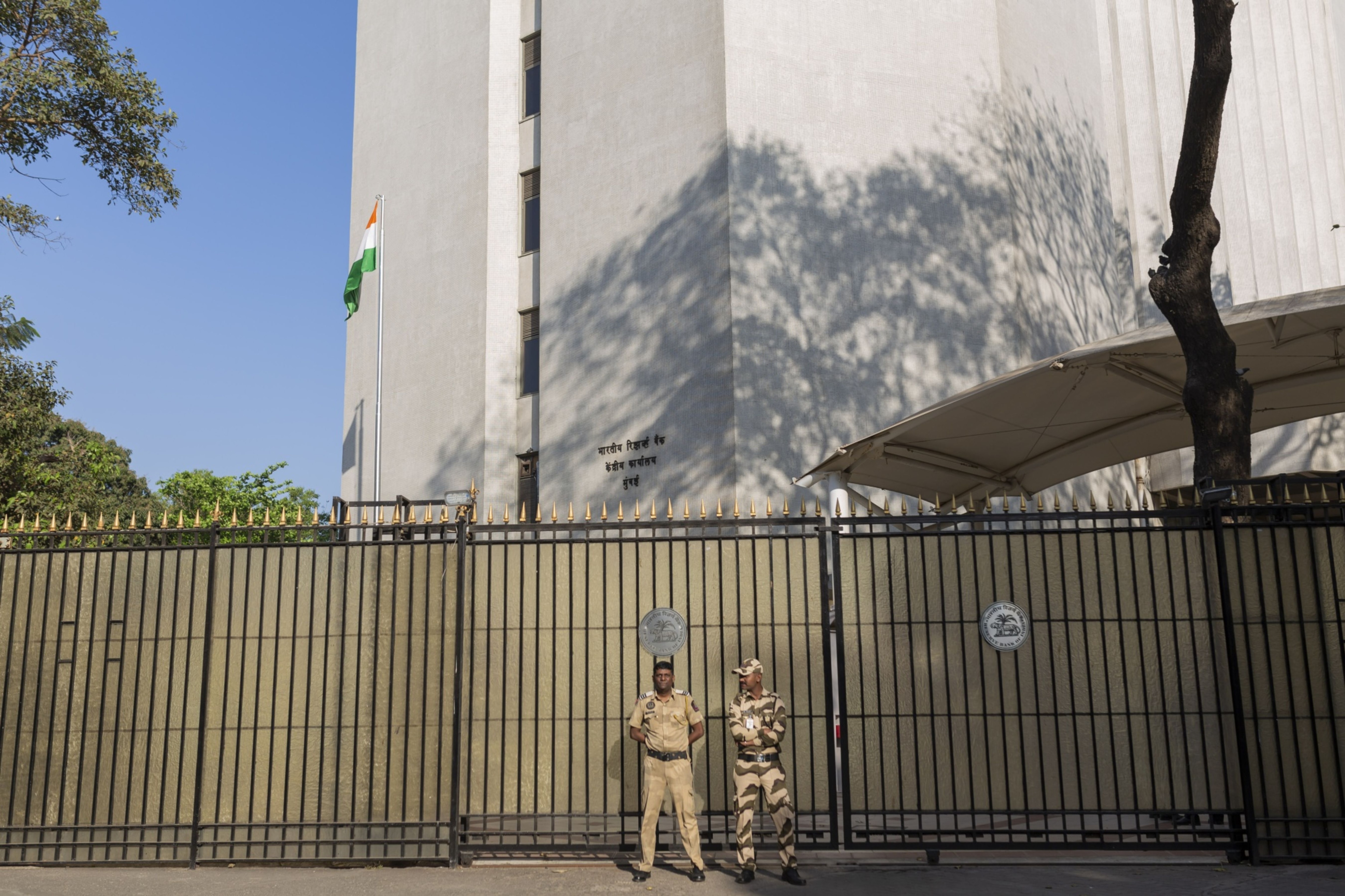
Who says central bankers have to be boring.
After promising that the Indian economy is rising “like the phoenix” and that the country had managed to “bend it (the Covid curve) like Beckham”, the central bank now has a message for bond market vigilantes: “There is much sense in what the Reserve Bank is doing in striving to ensure an orderly evolution of the yield curve. But it takes two to tango and forestall a tandav.”
The message, sent out through an article in the Reserve Bank of India's monthly bulletin, comes at the end of a two-month period of strife with the bond markets. While the RBI tried to keep bond yields in check after the Union Budget in February, markets rejected the low rates being offered to them to pick up government debt. After a series of partly failed auctions, the new line in the sand for the benchmark bond yield has settled close to 6.20%.
The RBI seemed to explain its view on interest rates, while leaning on the approach taken by most central banks globally.
Senior officials at the RBI, including Governor Shaktikanta Das, have gone much further than normal in trying to soothe bond markets. Das has not only assured the markets of adequate liquidity, but also termed the “orderly evolution of the yield curve” as a “public good.” Following the February policy review, the RBI also assured of smooth passage of the elevated government borrowing programme.
However, as the central bank put it in its February bulletin, these “stark messages were lost to naïve adventurism by some bond traders!”
Since then, markets have settled, albeit at higher yields and the last two government auctions have gone through completely.
State Of The Economy
Commenting on the state of the economy, the RBI bulletin said aggregate demand conditions are improving, although short-term risks from a rise in cases and higher inflation persists.
- Aggregate demand is expanding in a broad-based manner. Electricity generation was 16.5% more during March so far than a year ago.
- High-frequency indicators of transport reflect some moderation in growth in February 2021, coinciding with the surge in fresh Covid-19 cases in states like Maharashtra and Kerala. Port cargo moderated to a growth of 1.9% and domestic air cargo reverted to sub-normalised freight quantities.
- Tractor sales continued their stellar run in February, posting a growth of 31.1% on the back of a resilient agricultural/rural sector. The automobile sector exhibited growth in February on the back of a low base effect.
- India's merchandise trade has rebounded in recent months with the global trading environment improving as economies exit lockdowns on the back of faster-than-expected vaccine rollouts. The recovery in merchandise exports, however, falls short of major Asian peers.
- The food inflation trajectory would largely depend on the impact of favourable kharif and rabi seasons on cereal prices and the seasonal winter arrivals on vegetable prices. The adverse impact of rising international prices on edible oil prices and the persisting demand-supply mismatches for protein-based food prices could add to inflation.
- For manufacturing and services, the escalation of input price pressures has come to a boil in recent months. As a result, core inflation pressures continue unabated, scaling a new high of 6% in the post-lockdown period.
- With rising input prices, firms may choose to absorb some part of the input cost increases and face lower margins or may increasingly pass it on to consumers if they regain pricing power on robust demand recovery.
- In 2021, inflation will likely ease after June, but it will be higher than in prints because of statistical base effects of high inflation a year ago.

-
Getting To Work Costs Women More | The Reason Why

It is not just about women paying more than men. It is about women paying much more in cities than in villages.
-
AI Bias In Investing Cannot Be Eliminated, But It Can Be Governed
Framing is a particularly important example as identical financial information presented in terms of gains rather than losses can lead an LLM to reach a different assessment.
-
Joining The Dots | Dark Skies, Steady Diya: Why Hope Holds This Diwali
With war, a weak rupee and foreign outflows weighing on sentiment, policymakers at the NDTV World Summit and market veterans at NDTV Profit Ignite: Diwali Edition offered the same advice: stay invested and filter out the noise.
-
The Curious Case of Equitas Small Finance Bank And A CEO Who Quit For Stock
PN Vasudevan believes persistent investor concerns over a perceived conflict of interest had become a governance overhang on Equitas Small Finance Bank's stock, even as the lender improved profitability and asset quality.
-
Talking Points This Week: AI Cash Burn, A Tiger Comeback And An India That Still Finds Its Own Path
India is not immune to higher oil or tighter global liquidity, yet its earnings base is broader, its domestic policy levers are still available.
-
Foreign Investors Own Half Of HDFC Bank and ICICI Bank. An LTCG Cut Could Matter Most Here
Foreign portfolio investors have US$115 billion parked in HDFC Bank, ICICI Bank. If the government cuts long-term capital gains tax, Jefferies says returning foreign money could land here first.
-
'Never Seen This Level Of Negativity': Sandeep Tandon Says The Next Rally May Be Closer Than You Think
Veteran investor Sandeep Tandon says foreign selling is easing, large-caps are due a comeback and mid-caps are crowded, while he turns positive on gold, power and pharma this Diwali.
-
Indians Stay With Family, Not In Hotels | The Reason Why
India still lacks enough clean, reliable and affordable hotels for budget-conscious travellers.
-
The Economic Imperative: Analysing The Material Driving Force Behind India-Canada Strategic Reset
This economic complementarity is further reinforced by deep institutional investment ties and talent mobility, which form the bedrock of the bilateral framework.
-
Medicine Pricing: Where Must Profit Stop?
India must confront excessive margins, hidden incentives and regulatory gaps that threaten the integrity of medicine.










