RBI Reopens Covid-19 Restructuring Scheme For Retail, Small Business Borrowers
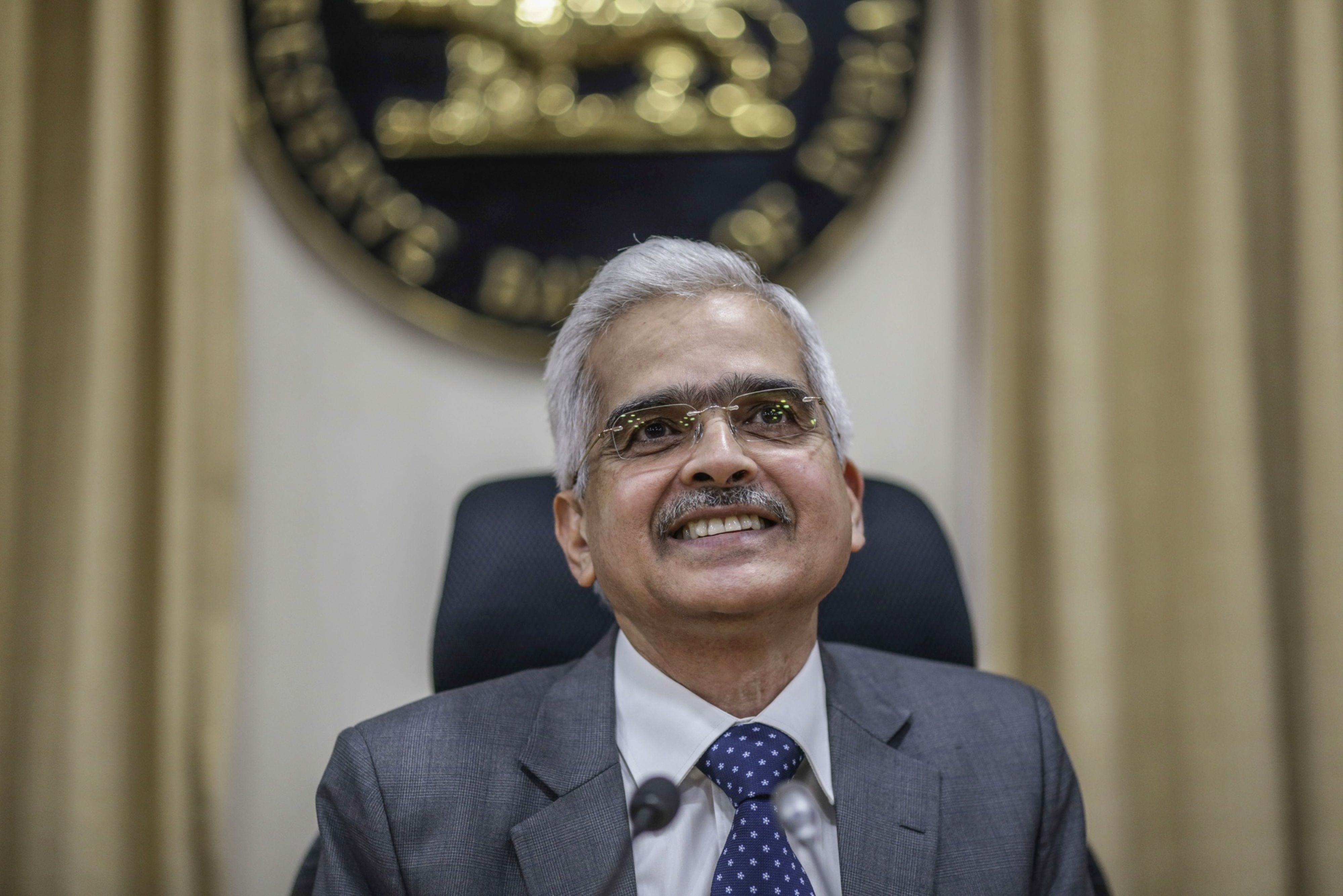
The Reserve Bank of India reopened a one-time debt restructuring scheme as the economy braces for the impact of a renewed surge in Covid-19 cases. Retail borrowers and small businesses will be permitted to recast their loans, without being downgraded to non performing category, under the scheme.
- The one-time restructuring scheme will be available for borrowers with aggregate outstanding dues of up to Rs 25 crore.
- Only accounts which are classified as standard as of March 31, 2021 can be restructured.
- Borrowers who have received relief under previous restructuring schemes, including that announced last year, would not be eligible.
- As part of the scheme, lenders can extend the tenor of the loan by up to two years and also offer a moratorium for this period.
- The RBI also said that any accounts restructured last year under the one-time restructuring scheme can be given a moratorium of up to two years, if not already provided.
- Further, the banking regulator allowed lenders to review the working capital limits for small businesses that had restructured their dues in 2020 as a one-time measure.
The scheme would have to be invoked by Sept. 30 and implemented within 90 days of invocation, RBI Governor Shaktikanta Das said during a media briefing on Wednesday.
The resurgence of Covid-19 pandemic in India in recent weeks and the associated containment measures adopted at local/regional levels have created new uncertainties and impacted the nascent economic revival that was taking shape. In this environment the most vulnerable category of borrowers are individual borrowers, small businesses and MSMEs.Shaktikanta Das, Governor, RBI
Last week, BloombergQuint had reported that the RBI had started the groundwork for extension of the restructuring scheme for borrowers. This had followed demands from bankers for further relief.
The banking regulator will allow banks to utilise their floating provisions or countercyclical provisions held as of Dec. 31, 2020, to make specific loan loss provisions till March 31, 2022.
According to Sunil Mehta, chief executive, Indian Banks' Association, the limit of restructuring loans up to Rs 25 crore will cover a wide universe of borrowers. “This will address the localised nature of the stress. Certain states have had no lockdown announcements and certain borrower segments have not seen their businesses being impacted at all. Banks will be in a better place to address those in need for support.”
According to Mehta, a blanket moratorium would have been a short term measure, which would not have helped borrowers much. “Under this restructuring scheme banks have the ability to provide more time and easier repayment terms in a customised manner.”
International rating agency Moody's Investor Services noted that the restructuring scheme is a milder measure than announcing a blanket loan moratorium, which was used last year. The proportion of restructured loans are expected to be lower, said Srikanth Vadlamani, vice president, Moody's said in a statement.
PN Prasad, former deputy managing director, State Bank of India, said implementing the restructuring scheme is likely going to be a time consuming exercise for most lenders.
“Last year there were fewer borrowers who went into restructuring because of the various other support measures available to them. This time if a lot more borrowers come in, it will be a complex exercise. The need for each borrower is different and banks will have to work with each of them individually,” Prasad said. However, MSMEs have seen multiple rounds of restructuring already, which would mean that borrowers eligible to seek any support now may be fewer in number, he added.
Watch RBI Governor's Press Conference

-
One El Nino, India Can Handle. Two Could Break The Granary

India's grain stocks can absorb one bad year, but a second El Nino could drain the buffer in two to three years, economists say.
-
India's Troika Of Good Luck | Joining The Dots
As Jensen Huang's exit drags Nvidia down, a cooling AI trade and resilient earnings have revived investor interest in India. A likely RBI rate hike looms.
-
Talking Points This Week: Leadership Shock At Nvidia, Earnings Strength, And The Fog Over Hormuz
The Anthropic IPO pricing and first trading day, Nvidia's upcoming earnings, and any fresh signals from Iran will set the tone for the following week.
-
Signature Play: The Classic Cocktail Is Dead. Or Is It?
Classic cocktails are disappearing from India's cocktail menus. But they're still being ordered, taught to bartenders and borrowed from. So, who's really having the last drink?
-
A New Samvat Wishlist: Inclusive Prosperity And Human Development
India has strengthened its economic foundations through infrastructure, digital access and enterprise. Its next growth chapter must deepen productivity, create better livelihoods and widen participation in prosperity.
-
Love, Sex Aur Dhokha: The Audacious Plot To Spy On Jensen Huang
A Taipei dinner, a Singapore chip buyer and a suspected Chinese asset: inside the alleged spy operation that got close to NVIDIA's Jensen Huang.
-
Ten Things I Learnt This Samvat
Patience can be a trap. Cheap stocks can stay cheap. Leverage can wipe you out. What did Samvat 2082 teach us? Niraj Shah writes on 10 lessons from the year gone by.
-
Talking Points This Week: Tech Nerves, FII Buying, And A Faraway Banking Shock
The global markets are not shining this Diwali. The exception in the large markets is, India.
-
Midterm Rally Lasted A Day. The Hard Reality Of A Divided US May Last Two Years | Opinion
Between a contested AI boom, a debt ceiling that arrives in 2027 and a president with every incentive to act alone, the next two years may prove more volatile than the first day's rally suggests.
-
Blue Wave Will Derail the AI Trade but Won't Dismantle the AI Era | Unhedged Position
The Democrats' sweep of the US Congress will see politics collide with economic forces both over the long and short term.









