RBI Chief Cautions Banks On Asset-Liability Mismatch Amid SVB Crisis
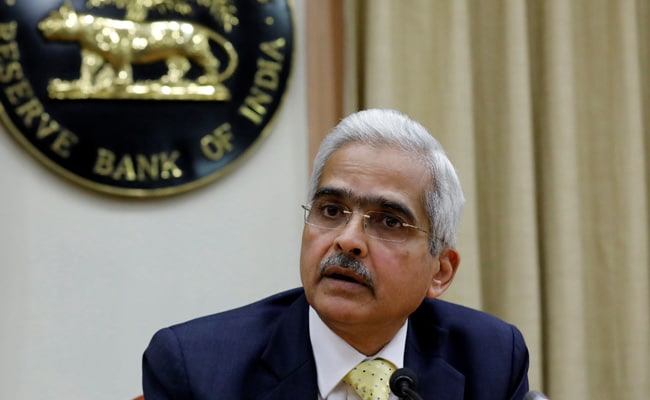
Reserve Bank of India Governor Shaktikanta Das has cautioned banks against any build-up of asset-liability mismatches, saying both are detrimental to financial stability and hinted that the ongoing crisis in the US banking system seems to have emanated from such mismatches.
Delivering the annual KP Hormis (Federal Bank founder) commemorative lecture in Kochi on Friday, the Governor was quick to acknowledge and assure that the domestic financial sector is stable and the worst of inflation is behind us.
Amid the continuing volatility in exchange rates, especially due to the excessive appreciation of the US dollar, and its impact on the external debt servicing ability of nations, Mr Das said, "We have nothing to fear as our external debt is manageable and thus appreciation of the greenback does not pose any problem to us".
The RBI Governor focused most of the speech on India's G20 presidency and in this context, he called for more coordinated attempts by the group of the world's 20 largest economies to help those countries with high external debt risks due to the US dollar rise.
He said the grouping must provide climate change financing to most affected countries on a war footing.
On the US baking crisis where two mid-sized banks (Silicon Valley Bank and First Republic Bank) with over $200 billion in balance sheets each went bust last week, he said the ongoing crisis drives home the importance of robust regulations that focus on sustainable growth and not excessive build-up either on the asset side or liability side.
Mr Das, without naming the US bank, said that on the face of it, one of them had unmanageable deposits in excess of their assets side business.
Mr Das, who has been an open critic of private digital currencies, said the ongoing US banking crisis also clearly shows the risks of private cryptocurrencies to the financial system.

-
Extracting Value From Battery Scrap Could Be Challenging For India | The Reason Why

A discarded lithium-ion battery still contains valuable materials such as lithium, nickel and cobalt. These can be recovered and reused. When such batteries are crushed and shredded, they produce a dark powder called black mass.
-
One El Nino, India Can Handle. Two Could Break The Granary
India's grain stocks can absorb one bad year, but a second El Nino could drain the buffer in two to three years, economists say.
-
India's Troika Of Good Luck | Joining The Dots
As Jensen Huang's exit drags Nvidia down, a cooling AI trade and resilient earnings have revived investor interest in India. A likely RBI rate hike looms.
-
Talking Points This Week: Leadership Shock At Nvidia, Earnings Strength, And The Fog Over Hormuz
The Anthropic IPO pricing and first trading day, Nvidia's upcoming earnings, and any fresh signals from Iran will set the tone for the following week.
-
Signature Play: The Classic Cocktail Is Dead. Or Is It?
Classic cocktails are disappearing from India's cocktail menus. But they're still being ordered, taught to bartenders and borrowed from. So, who's really having the last drink?
-
A New Samvat Wishlist: Inclusive Prosperity And Human Development
India has strengthened its economic foundations through infrastructure, digital access and enterprise. Its next growth chapter must deepen productivity, create better livelihoods and widen participation in prosperity.
-
Love, Sex Aur Dhokha: The Audacious Plot To Spy On Jensen Huang
A Taipei dinner, a Singapore chip buyer and a suspected Chinese asset: inside the alleged spy operation that got close to NVIDIA's Jensen Huang.
-
Ten Things I Learnt This Samvat
Patience can be a trap. Cheap stocks can stay cheap. Leverage can wipe you out. What did Samvat 2082 teach us? Niraj Shah writes on 10 lessons from the year gone by.
-
Talking Points This Week: Tech Nerves, FII Buying, And A Faraway Banking Shock
The global markets are not shining this Diwali. The exception in the large markets is, India.
-
Midterm Rally Lasted A Day. The Hard Reality Of A Divided US May Last Two Years | Opinion
Between a contested AI boom, a debt ceiling that arrives in 2027 and a president with every incentive to act alone, the next two years may prove more volatile than the first day's rally suggests.









