RBI Gets A Breather As Consumer Inflation Drops To 13-Month Low
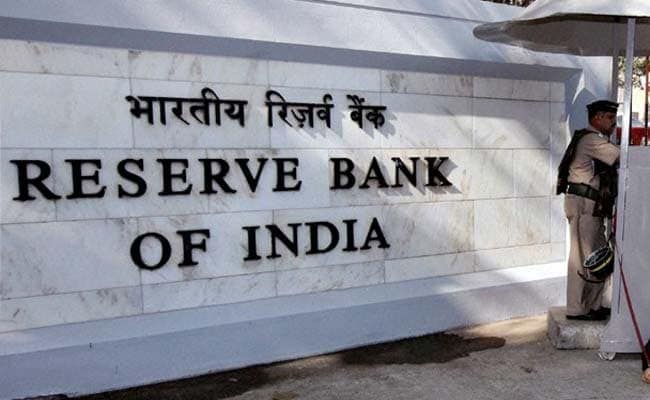
Retail inflation rate dropped sharply in October, giving the central bank leeway to allow easier lending policies, but plunging farm prices sent a stark warning to Prime Minister Narendra Modi about the challenges he faces in rural areas in next year's general election.
The rate, which includes food and energy prices, dropped in October to 3.31 per cent on a year-on-year basis, the slowest pace in 13 months and remains below the Reserve Bank of India's (RBI) medium-term target of 4 per cent for a third straight month. The September inflation rate was a revised 3.70 per cent.
Inflation risks have ebbed after a fall in global crude oil prices by about 20 per cent since early October to around $71 a barrel. The rupee has also stabilised after a slide of more than 14 per cent in the first 10 months of this year, which has made it the worst performing Asian currency in 2018.
The RBI's monetary policy committee unexpectedly left the repo rate at 6.50 per cent last month when markets had expected a hike.
In October, the drop in consumer prices was mainly due to the fall in food prices, data released by the Statistics Ministry showed on Monday.
Analysts polled by news agency Reuters had expected the October retail inflation rate would ease to 3.67 per cent, with estimates ranging from 3.23 per cent to 5.20 per cent.
A Prasanna, chief economist at ICICI Securities Primary Dealership, said food inflation continues to be more benign than expected despite fears that some prices might spike as the government steps in to buy crops at higher prices.
"The Monetary Policy Committee will take comfort from headline and we expect a pause in December," he said in reference to the chances the RBI would raise rates before the end of the year. "We still expect a hike in February but will reassess the same given recent inflation prints and fall in oil prices," added Mr Prasanna.
Slower inflation in food prices, which make up nearly half of the consumer price index (CPI), are helped by bumper crop supplies and sale of subsidised food grain to nearly two-thirds of the country's population of 1.3 billion. That has, in turn, helped keep overall inflation in check.
Retail food prices fell 0.86 per cent in October from a year earlier, against a 0.51 per cent rise in September, as farm prices dropped despite the government's announcement of sharp increase in food grain procurement prices ahead of state elections in the next few weeks.
Temporary relief
PM Modi is in danger of losing support in the countryside. Farmers hit by falling farm prices and rising unemployment could undercut his efforts to woo young voters.
Core inflation, which excludes volatile food and fuel prices, came in at 6.1 per cent, up from 5.8 per cent in September, according to analysts. That is because of higher prices for consumer goods and services during the Diwali festival season.
The RBI has projected a retail inflation rate of 4.8 per cent by June 2019, slightly lower than its August forecast of 5.0 per cent.
It has raised its policy interest rate 50 basis points since June, and is widely expected to raise rates by at least 25 basis points more by March 2019.
The next policy review is due on December 5.
Separately, industrial output expanded at an annual 4.5 per cent pace in September, compared with 4.3 per cent forecast by economists in a Reuters poll, and the upwardly revised 4.7 per cent for August.

-
We May Need Another Tukaram Mundhe To Fight Air Pollution | The Reason Why

Developers may install basic measures such as sprinklers and green nets, resume work, and continue violating rules when this equipment stops working.
-
Extracting Value From Battery Scrap Could Be Challenging For India | The Reason Why
A discarded lithium-ion battery still contains valuable materials such as lithium, nickel and cobalt. These can be recovered and reused. When such batteries are crushed and shredded, they produce a dark powder called black mass.
-
One El Nino, India Can Handle. Two Could Break The Granary
India's grain stocks can absorb one bad year, but a second El Nino could drain the buffer in two to three years, economists say.
-
India's Troika Of Good Luck | Joining The Dots
As Jensen Huang's exit drags Nvidia down, a cooling AI trade and resilient earnings have revived investor interest in India. A likely RBI rate hike looms.
-
Talking Points This Week: Leadership Shock At Nvidia, Earnings Strength, And The Fog Over Hormuz
The Anthropic IPO pricing and first trading day, Nvidia's upcoming earnings, and any fresh signals from Iran will set the tone for the following week.
-
Signature Play: The Classic Cocktail Is Dead. Or Is It?
Classic cocktails are disappearing from India's cocktail menus. But they're still being ordered, taught to bartenders and borrowed from. So, who's really having the last drink?
-
A New Samvat Wishlist: Inclusive Prosperity And Human Development
India has strengthened its economic foundations through infrastructure, digital access and enterprise. Its next growth chapter must deepen productivity, create better livelihoods and widen participation in prosperity.
-
Love, Sex Aur Dhokha: The Audacious Plot To Spy On Jensen Huang
A Taipei dinner, a Singapore chip buyer and a suspected Chinese asset: inside the alleged spy operation that got close to NVIDIA's Jensen Huang.
-
Ten Things I Learnt This Samvat
Patience can be a trap. Cheap stocks can stay cheap. Leverage can wipe you out. What did Samvat 2082 teach us? Niraj Shah writes on 10 lessons from the year gone by.
-
Talking Points This Week: Tech Nerves, FII Buying, And A Faraway Banking Shock
The global markets are not shining this Diwali. The exception in the large markets is, India.









