Viral Acharya's Message On Government Borrowing As He Ends RBI Stint
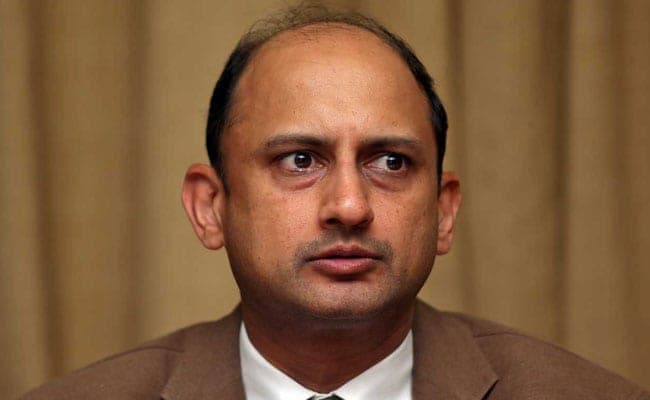
An increase in government borrowing runs the risk of flooding the debt market, while making it expensive for companies to borrow, according to outgoing Reserve Bank of India Deputy Governor Viral Acharya.
In a lecture shared by the RBI late on Monday, Mr Acharya said the country's borrowing relative to its output has ranged from 67 per cent to 85 per cent since 2000 and has outpaced many emerging markets including China.
"As more government debt floods markets, the relative safety and liquidity premium attached by investors to high-rated corporate bonds diminishes, raising the cost of borrowing especially for AAA-rated borrowers and making it relatively less sensitive to policy rate cuts," Mr Acharya said.
Mr Acharya is leaving the central bank on Tuesday, six months before the scheduled end of his term in office, citing personal reasons.
The Reserve Bank of India (RBI) cut the repo rate to 5.75 per cent on June 6, its third cut in 2019, while also changing its policy stance to "accommodative," after data showed the economy growing at its slowest in over four years.
India should cut back on subsidies and programs that are not delivering long-term growth and divest more of its public sector holdings, Mr Acharya said.
"The much-needed land, labour and agricultural reforms could be undertaken, all of which can help crowd-in private sector growth," he said.
There could be efficiency gains if there are more private investors playing an effective role in the governance of public sector enterprises, he added.
Aiming to attract investments, which are at its lowest level in years, Prime Minister Narendra Modi's government has proposed giving foreign investors a bigger role in the insurance and aviation sectors, which have been tightly controlled for decades.

-
We May Need Another Tukaram Mundhe To Fight Air Pollution | The Reason Why

Developers may install basic measures such as sprinklers and green nets, resume work, and continue violating rules when this equipment stops working.
-
Extracting Value From Battery Scrap Could Be Challenging For India | The Reason Why
A discarded lithium-ion battery still contains valuable materials such as lithium, nickel and cobalt. These can be recovered and reused. When such batteries are crushed and shredded, they produce a dark powder called black mass.
-
One El Nino, India Can Handle. Two Could Break The Granary
India's grain stocks can absorb one bad year, but a second El Nino could drain the buffer in two to three years, economists say.
-
India's Troika Of Good Luck | Joining The Dots
As Jensen Huang's exit drags Nvidia down, a cooling AI trade and resilient earnings have revived investor interest in India. A likely RBI rate hike looms.
-
Talking Points This Week: Leadership Shock At Nvidia, Earnings Strength, And The Fog Over Hormuz
The Anthropic IPO pricing and first trading day, Nvidia's upcoming earnings, and any fresh signals from Iran will set the tone for the following week.
-
Signature Play: The Classic Cocktail Is Dead. Or Is It?
Classic cocktails are disappearing from India's cocktail menus. But they're still being ordered, taught to bartenders and borrowed from. So, who's really having the last drink?
-
A New Samvat Wishlist: Inclusive Prosperity And Human Development
India has strengthened its economic foundations through infrastructure, digital access and enterprise. Its next growth chapter must deepen productivity, create better livelihoods and widen participation in prosperity.
-
Love, Sex Aur Dhokha: The Audacious Plot To Spy On Jensen Huang
A Taipei dinner, a Singapore chip buyer and a suspected Chinese asset: inside the alleged spy operation that got close to NVIDIA's Jensen Huang.
-
Ten Things I Learnt This Samvat
Patience can be a trap. Cheap stocks can stay cheap. Leverage can wipe you out. What did Samvat 2082 teach us? Niraj Shah writes on 10 lessons from the year gone by.
-
Talking Points This Week: Tech Nerves, FII Buying, And A Faraway Banking Shock
The global markets are not shining this Diwali. The exception in the large markets is, India.









