Rare China Vow On Market Support Puts Beijing’s Toolkit In Focus
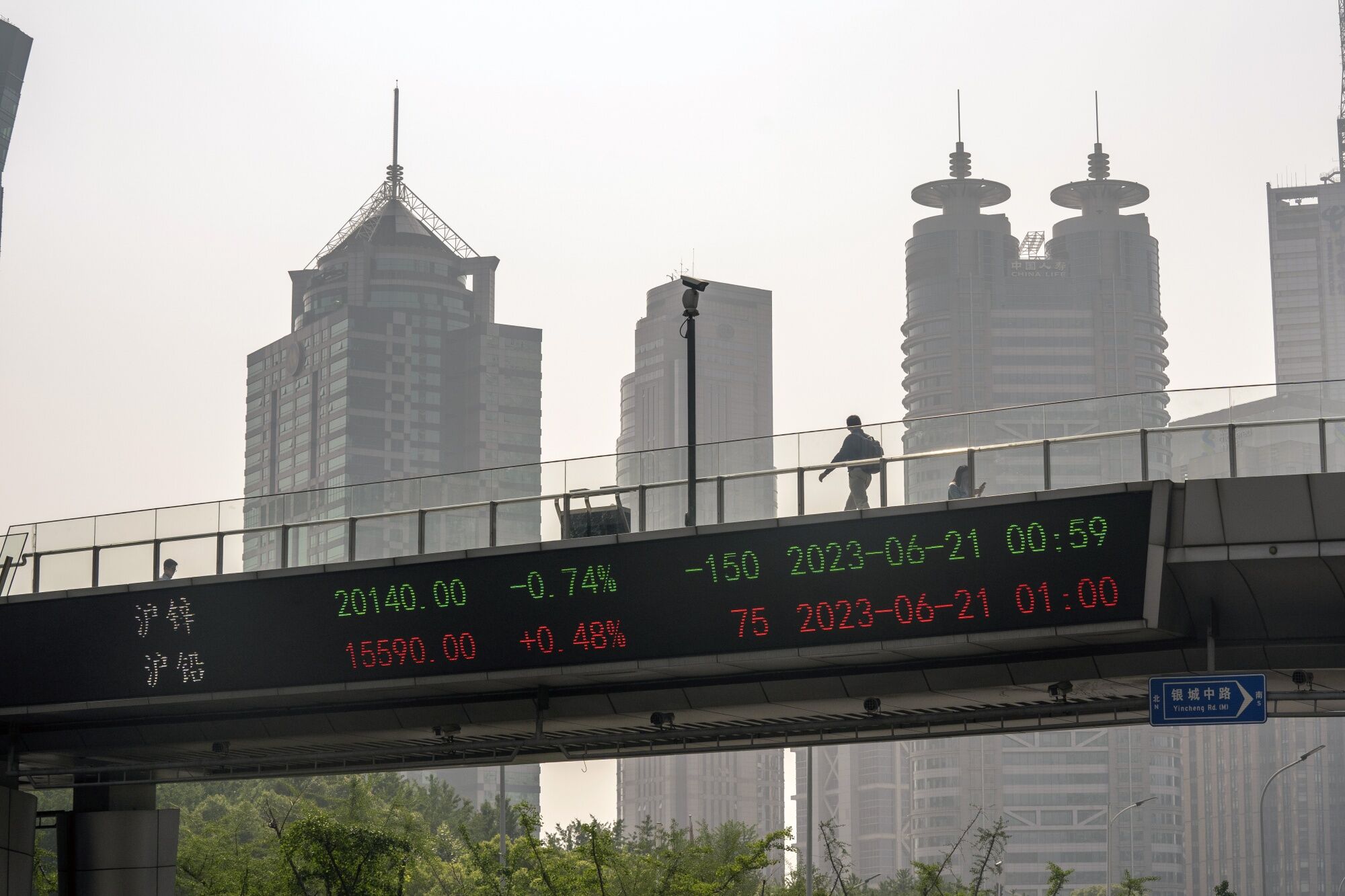
(Bloomberg) -- An unusual display of China's commitment to rejuvenating its capital markets has sparked newfound hopes among traders in the nation's $10 trillion stock market.
The rare pledge to “invigorate capital markets and boost investor confidence” at the July Politburo meeting — the strongest endorsement of markets by top leaders in at least a decade — is driving bets that Beijing will take steps to increase trading activity in the coming months. Changes being anticipated range from lower taxes and quicker settlement to measures aimed at boosting secondary-market liquidity and foreign investment.
READ: China Brokers May Extend Gains as Trading Reserves Cut
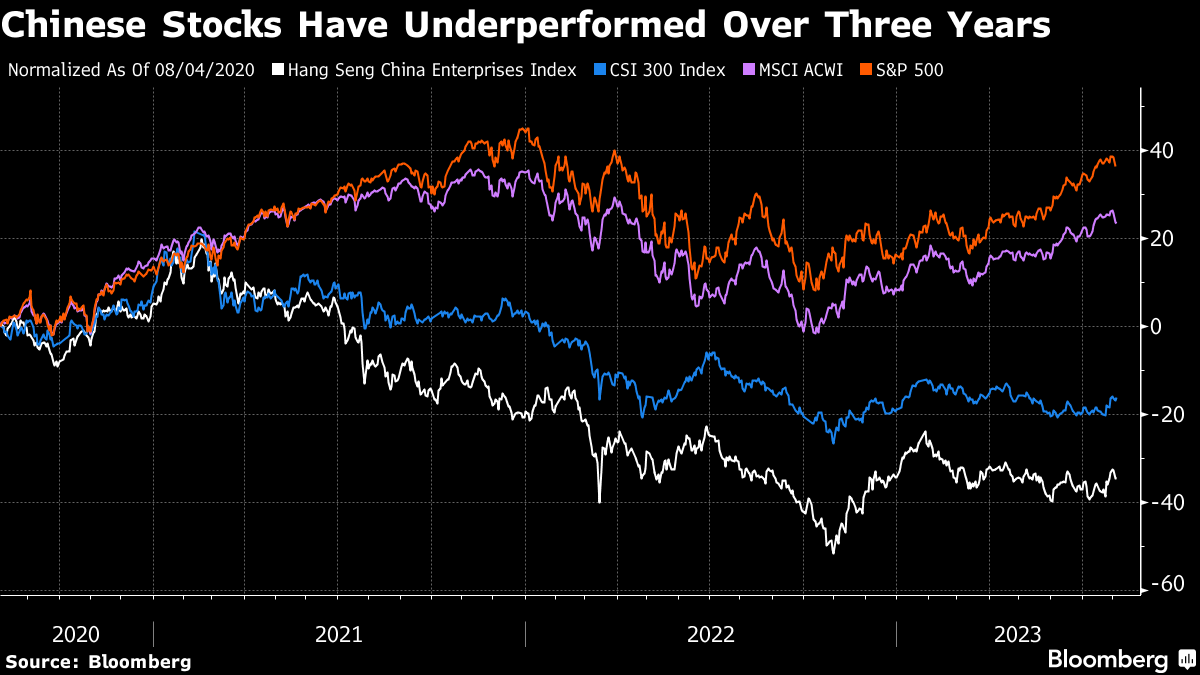
Regulators have further fueled optimism for change by consulting securities firms on possible initiatives. A Bloomberg gauge of mainland brokerages — seen as one of the best ways to ride market enthusiasm — has been rallying, with its 18% jump since the meeting kicked off sharply outperforming the benchmark CSI 300 Index.
“A series of policies should be just around the corner,” said Dong Baozhen, partner at Lingtongshengtai Asset Management. “A moribund and lifeless stock market is detrimental to the economy. This is why repeated calls are coming out.”
NOTE: PBOC, NDRC Officials to Speak at Friday Briefing on Economy
Here's a closer look at some of the measures Chinese authorities could consider:
Taxes, Dividends
One thing onshore brokerages have asked for is a lower securities trading stamp duty. Seasoned investors still look back fondly on the bull run spurred by the cut in the levy to the current 0.1% from 0.3% in 2008. While Hong Kong also maintains a rate of around 0.1%, countries including Japan have no such transaction tax.
Authorities may also consider lowering the 20% levy on dividend income from stocks that have been owned less than one month. Cutting rates charged on margin financing and broadening the scope of stocks eligible for short-selling are other possible reforms that could stoke risk appetite.
READ: China Brokerages Gain as State Media Urges Active Capital Market
Rule Changes
There has been speculation that regulators will lift the ban on same-day trading, a change long sought by quant funds and short-term traders that authorities have resisted in an effort to protect individual investors from being burned by over-speculation. The Shanghai Exchange said in 2020 that it was considering the possibility but no updates have been provided.
Lowering minimum asset requirements could be another way to lure more investors. Currently individuals are required to have at least 100 thousand yuan ($14,000) in an account to be eligible to trade on the tech-heavy ChiNext board, and 500,000 yuan is required to trade in shares of start-ups on the Star board as well as Hong Kong stocks through the trading link.
Pacing IPOs
Investors have complained about the flood of new stocks since China revamped its listing system, lowering requirements and expediting procedures. Mainland equity listings in the first six months of 2023 totaled $35 billion, about half of the global total, with 176 newcomers, much to the frustration of investors who say the influx is diluting funds and dragging indexes lower.
Some slowdown may already be taking shape. Following a recent regulator pledge to maintain equilibrium, the number of IPO aspirants that went to listing hearings dropped to 25 last month from 54 in June, according to a media report. Any delay in Syngenta's looming $9 billion Shanghai IPO would be a key signal on the pacing of listings.
READ: China's IPO Market Seen Cooling as Beijing Targets Liquidity
Boosting Flows
Lifting investing caps for foreign funds would be one of the most direct ways to support the markets. Foreign ownership is currently limited to a total of 30% for A-shares, with each overseas investor allowed to own a maximum of 10%.
Domestically, authorities could encourage more equity investment by insurance firms as well as the national pension and social security funds.
China's $385 billion mutual fund industry is seen as another key source for market growth as households look to transition wealth from the troubled property market into other investments. Some observers have suggested lengthening the horizon for performance reviews for fund managers from the current one-year cycle so they can afford to stay in the market for the longer run.
“If enough rule changes take place, they may add up to be sufficient to bring about a bull market,” said Shi Peng, managing director at Loyal Capital Ltd.
--With assistance from Mengchen Lu.
More stories like this are available on bloomberg.com
©2023 Bloomberg L.P.

-
Signature Play: The Classic Cocktail Is Dead. Or Is It?

Classic cocktails are disappearing from India's cocktail menus. But they're still being ordered, taught to bartenders and borrowed from. So, who's really having the last drink?
-
A New Samvat Wishlist: Inclusive Prosperity And Human Development
India has strengthened its economic foundations through infrastructure, digital access and enterprise. Its next growth chapter must deepen productivity, create better livelihoods and widen participation in prosperity.
-
Love, Sex Aur Dhokha: The Audacious Plot To Spy On Jensen Huang
A Taipei dinner, a Singapore chip buyer and a suspected Chinese asset: inside the alleged spy operation that got close to NVIDIA's Jensen Huang.
-
Ten Things I Learnt This Samvat
Patience can be a trap. Cheap stocks can stay cheap. Leverage can wipe you out. What did Samvat 2082 teach us? Niraj Shah writes on 10 lessons from the year gone by.
-
Talking Points This Week: Tech Nerves, FII Buying, And A Faraway Banking Shock
The global markets are not shining this Diwali. The exception in the large markets is, India.
-
Midterm Rally Lasted A Day. The Hard Reality Of A Divided US May Last Two Years | Opinion
Between a contested AI boom, a debt ceiling that arrives in 2027 and a president with every incentive to act alone, the next two years may prove more volatile than the first day's rally suggests.
-
Blue Wave Will Derail the AI Trade but Won't Dismantle the AI Era | Unhedged Position
The Democrats' sweep of the US Congress will see politics collide with economic forces both over the long and short term.
-
It's Time To Take The GST Council's Bet On Trust Global
Payment records can prove India's services exports, and clear, proportionate rules can bring foreign digital sellers into the tax net.
-
Opinion | India at 38: From Innovation Overperformer to Innovation Powerhouse
India now has 453 VC-backed deep science startups, 18 of them late-stage, after 117 percent growth since 2020. Laurus Labs, at USD 9.3 billion, is the most valuable deep science company in any middle-income economy outside China.









