Ranbaxy's Toansa Facility Poses No Risk: European regulators
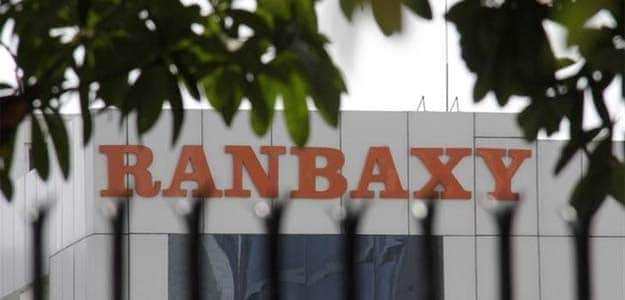
European regulators said on Thursday they have completed their assessment of drug manufacturing violations at Ranbaxy Laboratories facility in Toansa, India, and although deficiencies were found, they pose no risk to public health.
The regulators said they were satisfied by corrective measures put in place by the company after U.S. regulators found deviations in January.
The assessment stands in stark contrast to the response of U.S. regulators to the deficiencies found at the plant. The Food and Drug Administration barred Ranbaxy from making and selling pharmaceutical ingredients from the Toansa facility "to prevent substandard quality products from reaching U.S. consumers."
Ranbaxy is in the process of being acquired by Indian-based Sun Pharmaceutical Industries for $3.2 billion. In March the FDA banned imports from Sun's plant at Karkhadi.
G.N. Singh, the Drugs Controller General of India, did not respond to a call for comment made after business hours, but some experts said they expect India to use the split between Europe and the United States to validate their claims that the U.S. is being too harsh on Indian drug companies.
"In that sense I see this as being very negative," said Roger Bate, economist at the American Enterprise Institute. "It would have been far more useful if Europe and the U.S. had walked the same line."
The U.S. ban on products from the Toansa facility is part of a broader crackdown by the U.S. regulator on substandard generic drugs from India. Toansa became the fourth Ranbaxy plant whose products were barred from the United States.
Following FDA's Toansa inspection, European regulators sent a team of inspectors from Germany, Ireland and the United Kingdom, who were joined by inspectors from Switzerland and Australia, the European Medicines Agency (EMA) said.
"The inspection team concluded that there was no evidence that any medicines on the EU market that have an active pharmaceutical ingredient manufactured in Toansa were of unacceptable quality or presented a risk to the health of patients taking them," the agency said.
"This conclusion was supported by tests of samples of these medicines, all of which met the correct quality specifications."
Still, the EMA said European authorities "have identified the need to keep the Toansa site under close supervision and this will be done in collaboration with India and other regulatory authorities around the globe."
A spokesman for Ranbaxy had no immediate comment.
The FDA said it will not lift its ban on Ranbaxy until it is satisfied the products meet quality standards.
"EMA and FDA inspected the Toansa facility using similar quality standards and underlying principles of current good manufacturing practices," the FDA said in a statement. "Both regulators identified significant manufacturing and other violations that needed to be addressed, and both placed restrictions on the Toansa facility."
While inspections were similar, the FDA said, the two regulatory authorities applied their own, differing, regulatory and legal standards to address the violations.
Copyright Thomson Reuters 2014

-
Gold Is Rs 22,000 Cheaper Than A Month Ago. Should You Buy Amid The Wedding Season?

Gold's potential slide to $3,500 could save around Rs 4,700 per 10 grams, but a soft inflation print could just as easily push prices back up. One way to split the risk is to buy in parts, some now and the rest after the Fed's Dec. 9 decision.
-
AI Agents Are Gaining Power. Who Governs Them?
Artificial intelligence agents promise to transform productivity by moving machines from assisting decisions to executing them. But as organisations delegate greater authority to these AI-agents, they must first establish who controls that authority and who remains accountable when things go wrong.
-
Why Swapping Your Old Gold Can Trigger A Rs 5 Lakh Tax Bill, And How You Can Avoid It Legally
Swapping old gold for new is taxed as a sale and a fresh purchase. Getting your own gold remade can cut most of that bill, though it has its own costs.
-
The AI Trade is Done. The Real Opportunity for Investors Starts in 2027 | Unhedged Position
As pureplay AI stocks plunge and circular, capex-led financing unwinds, 2027 is set to be a year of reckoning for AI companies. Yet the bust clears the way for a better opportunity for investors in 2027 -- shifting the spotlight from AI builders to the companies using AI.
-
Leadership As Mission: Why The Age Of AI Demands More Human Leadership
Debjani Ghosh examines how AI is changing leadership, arguing that its success must be measured by its impact on people and the accountability of those guiding its use.
-
We May Need Another Tukaram Mundhe To Fight Air Pollution | The Reason Why
Developers may install basic measures such as sprinklers and green nets, resume work, and continue violating rules when this equipment stops working.
-
Extracting Value From Battery Scrap Could Be Challenging For India | The Reason Why
A discarded lithium-ion battery still contains valuable materials such as lithium, nickel and cobalt. These can be recovered and reused. When such batteries are crushed and shredded, they produce a dark powder called black mass.
-
One El Nino, India Can Handle. Two Could Break The Granary
India's grain stocks can absorb one bad year, but a second El Nino could drain the buffer in two to three years, economists say.
-
India's Troika Of Good Luck | Joining The Dots
As Jensen Huang's exit drags Nvidia down, a cooling AI trade and resilient earnings have revived investor interest in India. A likely RBI rate hike looms.
-
Talking Points This Week: Leadership Shock At Nvidia, Earnings Strength, And The Fog Over Hormuz
The Anthropic IPO pricing and first trading day, Nvidia's upcoming earnings, and any fresh signals from Iran will set the tone for the following week.









