Rampant Dollar Surges To 24-Year High On Yen And Near Parity On Euro
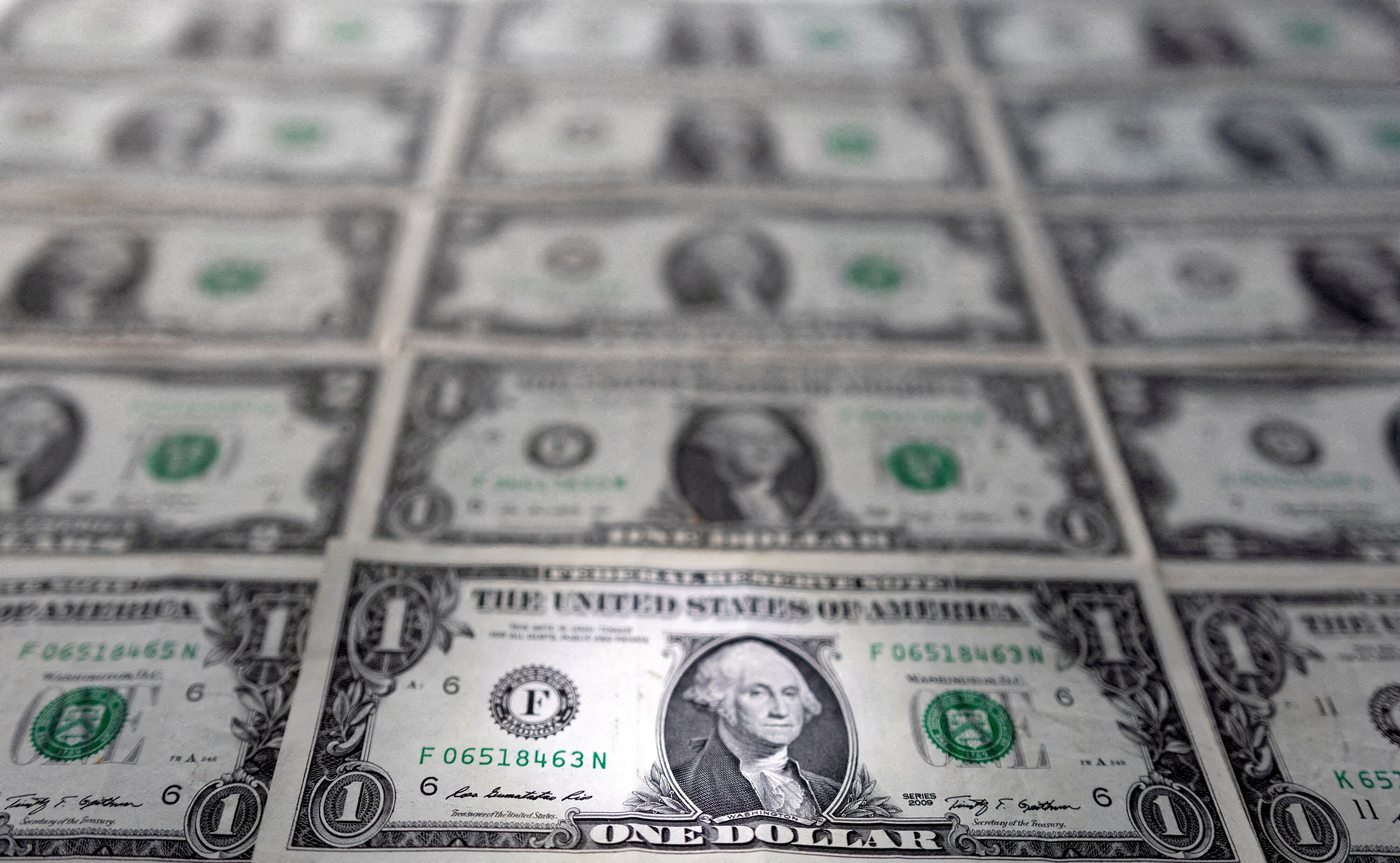
The dollar climbed to a 24-year high on the yen on Monday after Japan's ruling conservative coalition's strong election showing indicated no change to loose monetary policies, and global growth fears helped the safe-haven US currency more broadly.
The dollar climbed to as high as 137.28 yen in morning trading, its firmest since late 1998. It then pared those gains slightly and was last up 0.6 per cent at 136.93.
The dollar was also firm on the euro, which dropped 0.34 per cent to $1.0151 heading back towards a 20-year intraday low hit on Friday, leaving the dollar index up 0.36 per cent at 107.3.
"The dollar is strengthening across the board but dollar-yen is leading the move," said Rodrigo Catril currency strategist at National Australia Bank.
He said investors' move away from riskier assets had been supporting the dollar overall, while the yen was particularly pressured because of the combination of high US benchmark yields and Sunday's election result indicating there would no change to Japan's expansionary economic policy.
The Bank of Japan's policy of keeping Japanese benchmark yields pinned down to support the economy, alongside high US interest rates has been a major factor in the yen's recent weakness, and the resultant rise in prices has caused some anger from consumers.
However, the coalition led by Prime Minister Fumio Kishida's Liberal Democratic Party (LDP) increased its upper house seats in Sunday's election, and Catril said this could reduce some of the pressure to change course.
The US 10-year yield was last at 3.087 per cent, holding onto its gains from last week.
Growth Fears
Away from Japan, fears about the global growth outlook, particularly as central banks look to curb runaway inflation, were pushing flows to safe havens.
"The (dollar) could remain expensive until the risks around elevated global inflation, European energy security and China's growth outlook have been resolved," said analysts at Barclays in a note to clients.
"This week's US CPI will be an important piece of the puzzle as the Fed decides between 50 basis points and 75 basis points ahead of the July meeting."
US CPI data is due Wednesday and markets would likely interpret a high reading as a sign the Federal Reserve would need to raise rates even more aggressively to combat inflation.
With inflation rampant across much of the world, rate hikes are also expected this week from the Reserve Bank of New Zealand on Tuesday and the Bank of Canada on Thursday.
Energy concerns meant the euro was struggling against more than just the dollar and on Monday was trading at 0.85 British pence and 139 yen, just above last Friday's levels when it hit its lowest since late May against both currencies.
In the latest worry for the European economy, the biggest single pipeline carrying Russian gas to Germany starts annual maintenance on Monday. Flows are expected to stop for 10 days, but governments, markets and companies fear the shutdown might be extended due to war in Ukraine.
The other main economic event this week is Chinese second-quarter GDP data on Friday, with investors watching for signs of how hard the economy was hit by COVID-19 lockdowns.
Britain will publish its second-quarter GDP data on Wednesday, but attention is more focused on the ruling Conservative party's choice of their next leader and prime minister.
Sterling was down 0.38 per cent against the stronger dollar at $1.1986 on Monday morning, having finished a volatile time last week not far from where it started, while the risk-friendly Australian dollar fell 0.6 per cent to $0.6814.

-
We May Need Another Tukaram Mundhe To Fight Air Pollution | The Reason Why

Developers may install basic measures such as sprinklers and green nets, resume work, and continue violating rules when this equipment stops working.
-
Extracting Value From Battery Scrap Could Be Challenging For India | The Reason Why
A discarded lithium-ion battery still contains valuable materials such as lithium, nickel and cobalt. These can be recovered and reused. When such batteries are crushed and shredded, they produce a dark powder called black mass.
-
One El Nino, India Can Handle. Two Could Break The Granary
India's grain stocks can absorb one bad year, but a second El Nino could drain the buffer in two to three years, economists say.
-
India's Troika Of Good Luck | Joining The Dots
As Jensen Huang's exit drags Nvidia down, a cooling AI trade and resilient earnings have revived investor interest in India. A likely RBI rate hike looms.
-
Talking Points This Week: Leadership Shock At Nvidia, Earnings Strength, And The Fog Over Hormuz
The Anthropic IPO pricing and first trading day, Nvidia's upcoming earnings, and any fresh signals from Iran will set the tone for the following week.
-
Signature Play: The Classic Cocktail Is Dead. Or Is It?
Classic cocktails are disappearing from India's cocktail menus. But they're still being ordered, taught to bartenders and borrowed from. So, who's really having the last drink?
-
A New Samvat Wishlist: Inclusive Prosperity And Human Development
India has strengthened its economic foundations through infrastructure, digital access and enterprise. Its next growth chapter must deepen productivity, create better livelihoods and widen participation in prosperity.
-
Love, Sex Aur Dhokha: The Audacious Plot To Spy On Jensen Huang
A Taipei dinner, a Singapore chip buyer and a suspected Chinese asset: inside the alleged spy operation that got close to NVIDIA's Jensen Huang.
-
Ten Things I Learnt This Samvat
Patience can be a trap. Cheap stocks can stay cheap. Leverage can wipe you out. What did Samvat 2082 teach us? Niraj Shah writes on 10 lessons from the year gone by.
-
Talking Points This Week: Tech Nerves, FII Buying, And A Faraway Banking Shock
The global markets are not shining this Diwali. The exception in the large markets is, India.









