Rado Watch's Biggest Market Is India Now, Says CEO Adrian Bosshard
India pipped China to become the largest market for Rado Watch Co. in 2023, underscoring the rise in affluence in the world's most populous country even as global peers are facing economic slowdown.
The Swiss watchmaker has had a stellar run, benefitting from a broader boom in luxury goods as the pandemic receded, Chief Executive Officer Adrian Bosshard told NDTV Profit in an interview.
"With many international borders remaining shut for travellers, local demand for our watches outpaced supply as soon as stores reopened," he said. "Demand exploded like never before and it was a challenge to cope with it owing to the Covid-led logistics issues back then."
2023 marked a "record year" of sales for Rado in India, generating double-digit growth over a year earlier and even compared to pre-Covid levels. The brand moved further upmarket with the entry segment for a Rado watch now at Rs 1 lakh from Rs 80,000 two years ago, an approach that is also boosting revenue.
The trend of increasing sales of luxury watches, however, was not just limited to Rado.
India imported Swiss watches worth 218.8 million Swiss francs or Rs 2,095 crore last year, an all-time high, according to data from the Federation of the Swiss Watch Industry. It is 17% higher from a year earlier despite a high base. The data showed that Swiss watch exports to only three countries — Hong Kong, Thailand and Ireland — were higher than India's.
Exports to China rose 7.6% last year. However, it declined 6.9% from 2021, compared with India's imports that surged 40% from 156.8 million francs during the same period. Still, the penetration of Swiss watches remains low globally, with India ranking 22nd in terms of overall exports, according to the data from the federation.
China, the UAE, Switzerland and the US are the other key markets for Rado, Bosshard said.
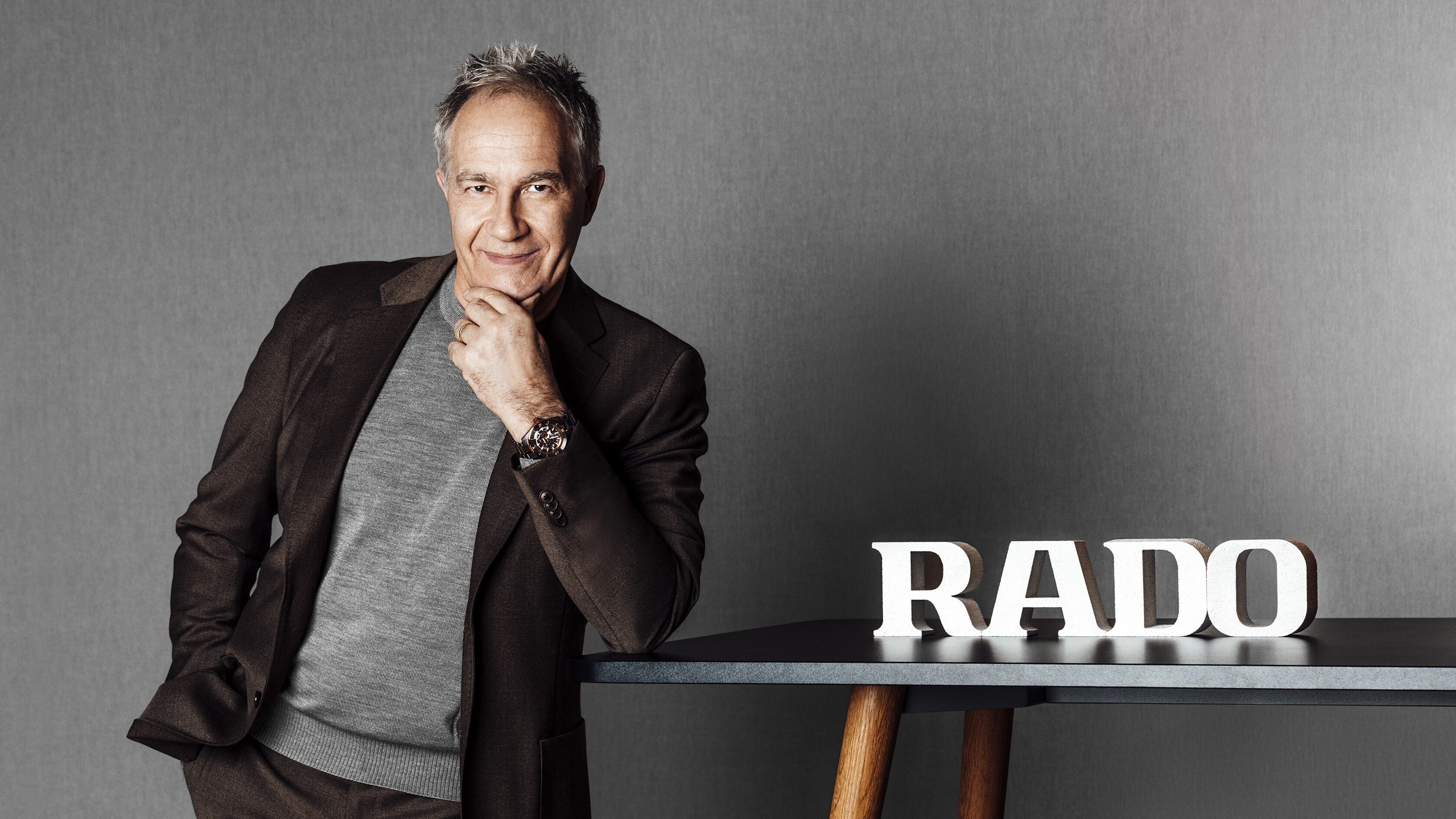
Adrian Bosshard, CEO of Rado Watch Co. (Source: NDTV Profit)
The geopolitical fallouts of two wars — Russia's invasion of Ukraine and the Israel–Hamas war — coupled with the global inflation have slowed growth in these markets. Even as global retailers are increasingly comparing India and China as they decide where to place their bets, Bosshard underscored that both the giant Asian markets are equally important.
The struggling China market will rebound gradually, while the growth story of India is here to stay at least for the next five years on the back of rising purchasing power and ever-expanding consumer class, he said. "India will be neck and neck with China going forward for us."
A recent report by Goldman Sachs gives more credence to Bosshard's views. It said India's affluent class is expanding at a pace that could reshape the economy.
Currently, around 60 million people earn approximately Rs 8 lakh per year. And this figure is expected to soar to 100 million by 2027, according to the report. This increase is more than just numbers—it represents a shift in consumption patterns among the growing affluent class for everything ranging from premium cars to Scotch whisky. Even domestic companies are riding the wave of premiumisation—where quality, not quantity, rules the market.
Old-School Watchmaker Gets Bit Smarter
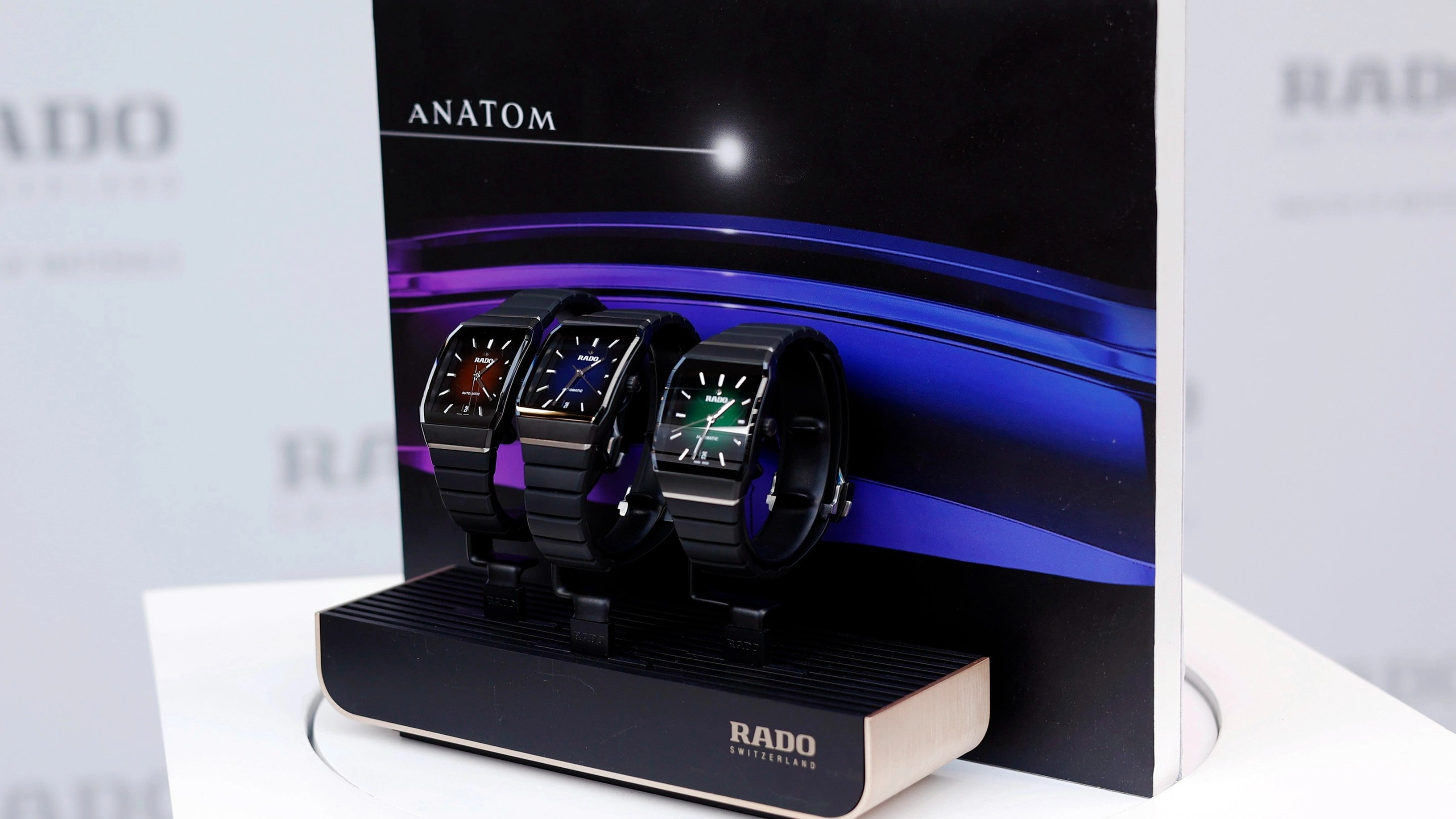
Bosshard was in India to launch a new edition of Anatom timepieces, exactly 40 years since the collection was first launched in 1983 in the US.
For the first time, a textured all-black rubber strap is used for a "slightly sportier feel", in what seems to be a move to counter the likes of Apple and Samsung amid a growing global smartwatch market. Apart from the design, Anatom doesn't have any other similarities to connected watches.
A fitness renaissance in a post-Covid world has only made wearables more popular. But Bosshard doesn't overtly see digital watches as a threat to pricey Swiss timepieces. For now, at least. "Nobody needs a watch these days," he said, thanks to the era of mobile phones.
Yet, the passion for them has remained not only for collectors but also among the younger generation in search of high-end timepieces, he said.
The brand — owned by The Swatch Group — dominates the price segment of Rs 1.5–5 lakh with a market share of over 50% among the Swiss brands operating in India, according to Bosshard.
"A Rado watch is a piece of art, and consumers don't buy a Rado as a mere fashion accessory or just to have the time on one's wrist," the CEO said. "We feel it has emotional value, that marks special moments in one's lives be it weddings or anniversaries, or just a desire to own timepieces."
Explaining why he remains bullish on demand, Bosshard said timepieces are the only consumption goods other than jewellery that are built to last a lifetime or longer, unlike smartwatches whose lifespan is about two–five years, he said.
"When you have a smartwatch, you are mainstream, but when you own a luxury watch, you're unique.... These are statement pieces."

-
One Battle After Another: India's Corporate Dynasties Battle For Control

2026 could go down as Corporate India's year of succession wars, governance battles and family fault lines.
-
Rs 50-Lakh Gold In Bank Locker, Rs 3 Lakh Of Protection: The Gap Most Families Don't Know About
The RBI ties a bank's liability to the annual locker rent and families who want to insure their jewellery face a separate question about how to prove what was inside.
-
The More Food Turns Into Fuel, The Harder It Is To Read Agricultural Markets | The Reason Why
A policy designed to reduce dependence on imported fuel can create new pressures elsewhere in the food economy.
-
Your iPhone Costs 12 Grams Of Gold, A Car About 100. What Does Your Life Weigh?
Measured in rupees, almost everything looks more expensive than it did a generation ago. Measured in grams of gold, a lot of it has become cheaper.
-
Gold Is Rs 22,000 Cheaper Than A Month Ago. Should You Buy Amid The Wedding Season?
Gold's potential slide to $3,500 could save around Rs 4,700 per 10 grams, but a soft inflation print could just as easily push prices back up. One way to split the risk is to buy in parts, some now and the rest after the Fed's Dec. 9 decision.
-
AI Agents Are Gaining Power. Who Governs Them?
Artificial intelligence agents promise to transform productivity by moving machines from assisting decisions to executing them. But as organisations delegate greater authority to these AI-agents, they must first establish who controls that authority and who remains accountable when things go wrong.
-
Why Swapping Your Old Gold Can Trigger A Rs 5 Lakh Tax Bill, And How You Can Avoid It Legally
Swapping old gold for new is taxed as a sale and a fresh purchase. Getting your own gold remade can cut most of that bill, though it has its own costs.
-
The AI Trade is Done. The Real Opportunity for Investors Starts in 2027 | Unhedged Position
As pureplay AI stocks plunge and circular, capex-led financing unwinds, 2027 is set to be a year of reckoning for AI companies. Yet the bust clears the way for a better opportunity for investors in 2027 -- shifting the spotlight from AI builders to the companies using AI.
-
Leadership As Mission: Why The Age Of AI Demands More Human Leadership
Debjani Ghosh examines how AI is changing leadership, arguing that its success must be measured by its impact on people and the accountability of those guiding its use.
-
We May Need Another Tukaram Mundhe To Fight Air Pollution | The Reason Why
Developers may install basic measures such as sprinklers and green nets, resume work, and continue violating rules when this equipment stops working.









