Profit-Hungry Climate Investors Descend On Dubai

(Bloomberg) --
The larger-than-usual group of investors and bankers in attendance at COP28 in Dubai are not there primarily (if at all) for altruistic reasons. They've traveled to the United Arab Emirates for the same reason they'd go to an airshow or a heavy industry convention.
The possibility of making a lot of money.
For Nikita Singhal, co-head of sustainable investment & ESG at Lazard Asset Management, the climate crisis is too often portrayed as a risk to investors' portfolios, while the opportunities to profit handsomely from the economic changes required to slow global warming are regularly overlooked.
Climate change is “one of the largest economic disruptions of our lifetime,” Singhal said at the Bloomberg Business Forum at COP28. The other side of that coin, she says, might be a chance for “the greatest alpha-generation or investment-return” in a long time.
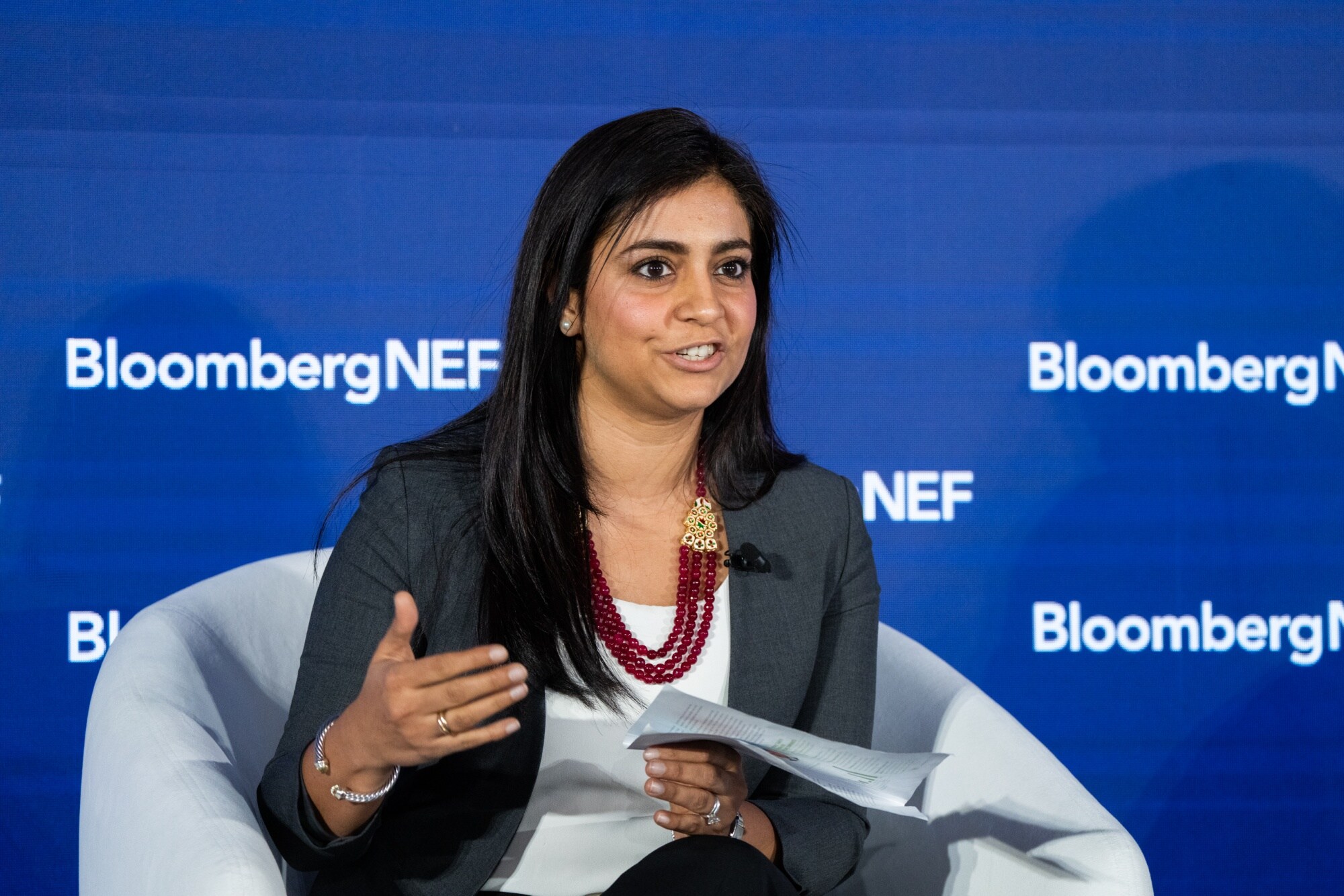
Singhal cited a recent trip to India where she said that she witnessed several major corporations preparing tens of billions of dollars for green capital expenditure. The trip served to remind her “how something that is largely perceived as a risk can end up being an amazing financial opportunity.”
And it's not just climate change that offers investment returns for investors. The deeply connected and potentially devastating issue of biodiversity destruction can also be turned into a profitable area for investors, said Peter van der Werf, head of engagement at Dutch asset manager Robeco.
“I see it from a classic perspective as a risk, but more and more as an opportunity because we keep hearing from our clients that they want us to deliver biodiversity-aware investments," said Van der Werf.
This unabashed pursuit of profit makes a lot of traditional climate activists uncomfortable, but others argue that bringing in banks is the only way to mobilize the trillions of dollars needed to finance the energy transition and climate adaptation.
But make no mistake—even as financiers gather in Dubai to discuss mobilizing capital towards major threats to humanity, it is the financial bottom line that is top of mind: They are there for the money.
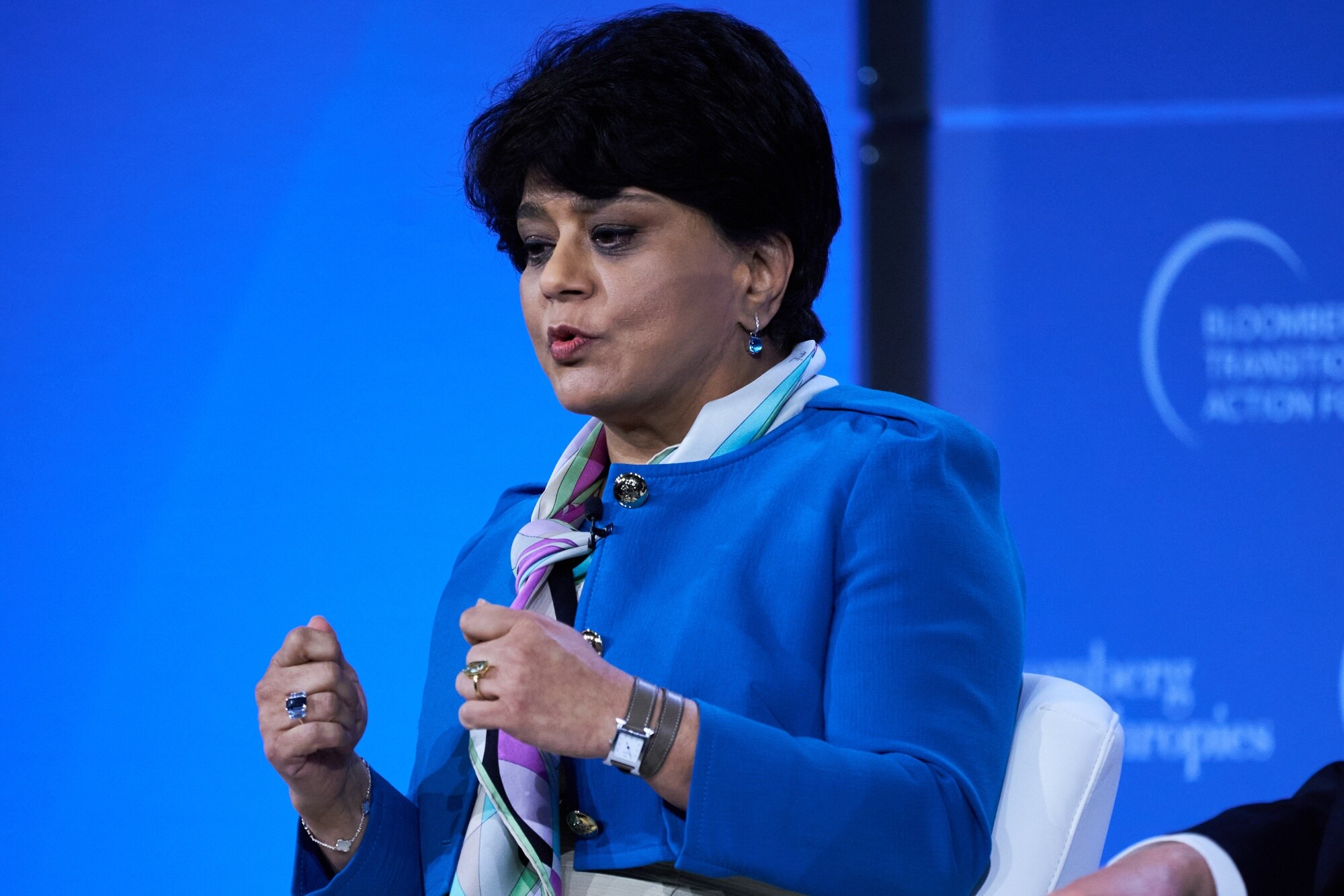
Shriti Vadera, chair of Prudential Plc, said those who expect private capital to fill a political or policy deficit the pubic sector is unwilling or unable to plug may be disappointed.
“Let's be clear,” she says. “The private sector only does things that are commercial and create a commercial return: they are to preserve the capital of their customers, savers, pensioners and depositors.”
More stories like this are available on bloomberg.com
©2023 Bloomberg L.P.

-
Indians Stay With Family, Not In Hotels | The Reason Why

India still lacks enough clean, reliable and affordable hotels for budget-conscious travellers.
-
The Economic Imperative: Analysing The Material Driving Force Behind India-Canada Strategic Reset
This economic complementarity is further reinforced by deep institutional investment ties and talent mobility, which form the bedrock of the bilateral framework.
-
Medicine Pricing: Where Must Profit Stop?
India must confront excessive margins, hidden incentives and regulatory gaps that threaten the integrity of medicine.
-
Why Amazon And Flipkart Are Struggling To Beat Meesho In India's Smaller Cities
With 274 million users and lowest-cost logistics, Meesho is defending its value commerce crown against giants like Amazon and Flipkart.
-
High US Salaries, No Green Card Certainty: The Financial Calculation Facing Indian H-1B Families
The suspension of PERM processing at eight technology employers does not cancel existing H-1B visas. What it does is force a question many Indian families have been avoiding: is the US salary worth tying your career and family plans to one employer?
-
Swiggy vs Eternal: Food Delivery's Two Rivals Are No Longer In The Same Race
Eternal is building a private AI assistant, dark.ai. Swiggy is still working out how to make Instamart pay, with an operating loss of Rs 895 crore in the July-September quarter while Blinkit stayed profitable.
-
Where You Live Shapes How You Get To Work | The Reason Why
Two-wheelers are the most popular way to get to work in India, accounting for nearly 43% of workplace commutes.
-
Unhedged Position: Can India See An Indonesia-Style Time Correction?
The Nifty is trading below levels it first clocked in 2024. Is there, then, as I have suggested in the headline, potential that the current time correction drags on painfully for the next three-five, even ten years?
-
Navigating Friction And Energy Realities: An Analysis Of Marco Rubio's October Visit To India
Occurring at a critical juncture marked by stalled trade negotiations and escalating geopolitical pressures over global energy supplies, the visit offers a profound window into modern US-India relations.
-
India Exports Capital. Why Not Export Trusteeship?
The big question, then, is whether India can build an institution that global borrowers, investors, banks, and lawyers can trust, even without an Indian connection.










